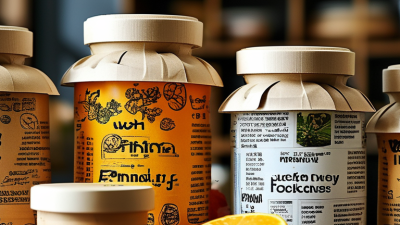
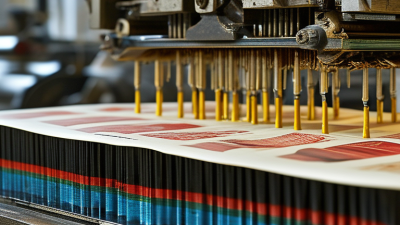
In 2026, choosing Pouch Printing for global sourcing means balancing shelf appeal with production realities. A vivid matte pouch may look excellent on screen, yet lose detail when printed on a different film. Small checks matter. Ask suppliers for printed samples, not only digital proofs, and compare color, seal strength, finish, and readability under ordinary store lighting.
Start with the product’s needs: barrier performance, pouch format, filling conditions, and expected storage time. Then confirm the material structure and printing method with a qualified packaging specialist. Request clear specifications, documented quality checks, and realistic lead times. A reliable supplier should explain what can vary between runs and how defects are handled. It is sensible to verify current packaging and labeling requirements with the relevant market authorities or a local compliance professional; requirements can differ by destination and product category.
Global sourcing also depends on details that are easy to miss. Check minimum order quantities, artwork approval steps, sample shipping, payment terms, and who pays for corrections. Compare total landed cost, not just the quoted price per pouch. Ask how production changes are recorded. Keep the approved sample and final artwork on file. I have seen teams focus on the unit price and overlook freight or setup fees; that comparison can be misleading. No checklist removes every risk. Careful questions, written records, and a modest first order can make a better starting point.

Choosing pouch printing for global sourcing starts with a precise packaging brief. Define the product’s weight, filling temperature, shelf-life target, and storage conditions. A 250-gram powder pouch needs different protection from a chilled snack pouch. Measure the product carefully. Small errors can affect seal strength and material performance.
Specify pouch dimensions, print areas, zipper needs, surface finish, and barrier requirements. Ask for evidence, not attractive samples alone. Request ink specifications, material structures, migration test results, seal-strength data, and production tolerances. Check whether the supplier can provide batch records and traceable quality reports. A printed sample may look excellent, yet fail during high-speed filling.
Global sourcing adds practical limits. Record the delivery country, estimated annual volume, target order quantity, port preference, lead time, and required shipping documents. Confirm carton sizes and pallet patterns before approving artwork. A few extra millimeters can increase freight costs. Clarify payment terms, inspection stages, language needs, and communication hours.
A first specification is rarely perfect. I have seen teams choose glossy printing before checking condensation resistance. That mistake becomes expensive later. Build a sample schedule with blank pouches, printed proofs, and filled-product trials. Test opening, resealing, stacking, abrasion, and transport vibration. Keep reasonable flexibility for local material availability, but do not weaken essential safety or quality requirements.
Global pouch sourcing in 2026 starts with matching the material to the product’s real demands. A dry snack may use a lightweight PET/PE laminate, while oily or oxygen-sensitive products often need stronger barrier layers. Recyclable mono-material structures can simplify recovery, but they may reduce heat resistance or barrier performance. That trade-off deserves testing.
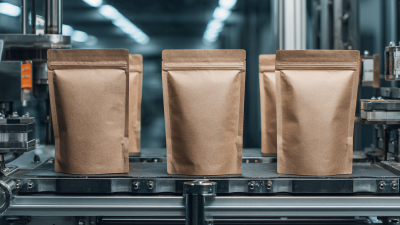
Structure matters at the filling line. A three-side-seal pouch suits flat samples and compact portions. Stand-up pouches need a bottom gusset, stronger seals, and stable dimensions. Spouted formats support controlled pouring, but the fit between film, cap, and seal must be verified.
Small seal wrinkles can cause major leakage. It happens.
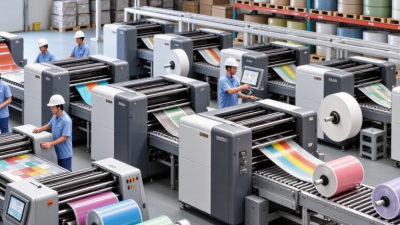
Printing method affects appearance, speed, and order economics. Rotogravure provides consistent color across long runs, yet cylinder preparation can increase setup cost. Flexographic printing is often practical for repeat production and moderate volumes. Digital printing supports shorter runs, variable artwork, and faster sampling, though unit costs may rise. Printed ink layers also need compatibility testing with lamination adhesives and surface treatments.
In one sourcing project, the visual proof looked accurate under office lighting but appeared darker on the production film. The mistake was not illegal or dramatic, just avoidable.
I now request drawdowns, color references, rub tests, and seal-strength reports before approving a supplier. Buyers should compare full landed cost, not only the quoted pouch price. Supplier audits, sample retention, and independent laboratory checks add useful confidence.
How to Choose Pouch Printing for Global Sourcing in 2026?
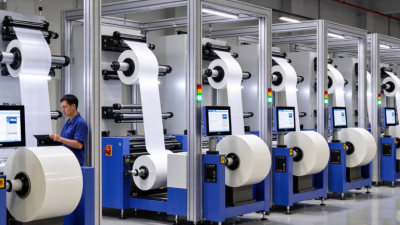
When evaluating pouch printing suppliers, inspect more than sample images. Request production records, material specifications, ink details, and recent quality reports. A reliable supplier should explain its printing process clearly. Ask how it controls color variation, registration, drying, and roll tension. Review a physical proof under standard lighting. Digital images can hide defects.
Production quality becomes visible during testing. Check ink adhesion with a rub test and inspect seals after filling. Measure pouch dimensions, barrier performance, barcode readability, and seal strength. For high-volume orders, approve a pilot run before mass production. Keep signed samples from that run. They provide a practical reference during later inspections. However, no checklist is perfect. Small defects may still appear during long production runs.
Compliance needs destination-specific review. Confirm whether the pouch contacts food, cosmetics, or other regulated goods. Request current declarations, migration tests, material traceability, and factory quality procedures. Certificates should match the actual factory and materials. Do not rely on documents copied from older projects. Ask who controls corrective actions when results fail. A thoughtful supplier will welcome questions, not avoid them. I would also compare lead times against realistic capacity, because attractive promises sometimes collapse during peak seasons. Fresh audits matter. Conditions can change quickly.
How to Choose Pouch Printing for Global Sourcing in 2026?
Pouch printing decisions should begin with landed cost, not the unit price. Request quotes for printing plates, cylinders, inks, setup waste, inspection, packing, and inland delivery. Gravure can reduce the cost of long runs, while digital printing may lower setup costs for tests or several designs. Freight changes everything. The World Bank’s 2023 Logistics Performance Index shows that unreliable transport and border clearance can create greater losses than production price differences. Ask suppliers for carton dimensions, pallet counts, production lead time, and a realistic buffer for port delays.
Sustainability also needs measurable evidence. The OECD’s Global Plastics Outlook reports that only 9% of plastic waste was recycled globally in 2019. A recyclable pouch structure may therefore sound better than it performs locally. Check whether the destination market accepts the material, and request written specifications for film layers, inks, adhesives, and recycled content. Avoid vague claims. They are expensive later.
In practice, compare three samples after simulated transport: a hot warehouse, a humid container, and a rough delivery route. Inspect ink rub, seal strength, odor, and barcode readability. Thin film can reduce material use, but weak seals may increase product loss. That defeats the purpose. I would also calculate emissions per delivered pouch, not per printed roll. This choice can still be imperfect. A small trial shipment is usually cheaper than correcting thousands of unusable bags.
When sourcing pouch printing globally in 2026, sample approval should control the order, not merely support it. Ask suppliers for a physical pouch and a clear digital proof. Check color, dimensions, seal strength, zipper alignment, artwork, and surface finish. Use the same film structure and printing method planned for production. Small differences matter. Keep one approved sample as the master reference.
I once accepted a sample without checking the seal area closely. The artwork looked correct, but the zipper sat slightly off-center. That shortcut caused delays during packing. A repeat sample would have exposed it. Record every approval in writing, including revision numbers, tolerances, material details, and delivery conditions. Require supporting test reports where needed, such as ink suitability, material safety, or migration performance.
During production, request dated photos before full printing begins. Confirm cylinder or plate details, color targets, pouch count, carton marks, and batch identification. Keep communication in one shared order file. It reduces conflicting instructions across time zones. If production changes, pause approval and ask for a revised sample. Never treat a verbal promise as final authorization. A practical checklist helps, but it should be reviewed after every project because real packaging problems rarely appear in the quotation.