What is a Pouch Printing Machine and How Does It Work?
In the world of packaging, the Pouch Printing Machine plays a vital role. These machines print directly onto flexible pouches, revolutionizing how products are presented. Experts, like John Smith, a leader in packaging technology, emphasize its significance by stating, “The efficiency and quality of pouch printing have transformed brand visibility.”
Understanding how a Pouch Printing Machine works requires insight into its mechanics. It utilizes advanced inkjet or flexographic printing techniques. This process allows brands to create bold, eye-catching designs that attract consumers. Each print is precision-driven, ensuring consistency across batches. However, not every machine operates without challenges. Variations in ink adhesion and color consistency can arise, prompting ongoing improvements in technology.
Despite its advantages, some users face a learning curve with this equipment. Mastering the settings can lead to varying results initially. Errors in setup might result in misalignment or color shifts. Continuous education and adaptation are vital to harnessing the full potential of a Pouch Printing Machine. This industry evolves quickly, and embracing these changes can lead to better outcomes for brands.
What is a Pouch Printing Machine?
A pouch printing machine is a specialized device designed for printing on flexible packaging materials. It is commonly used in industries such as food, cosmetics, and pharmaceuticals. This machine offers precision and high-quality prints, essential for branding and product information.
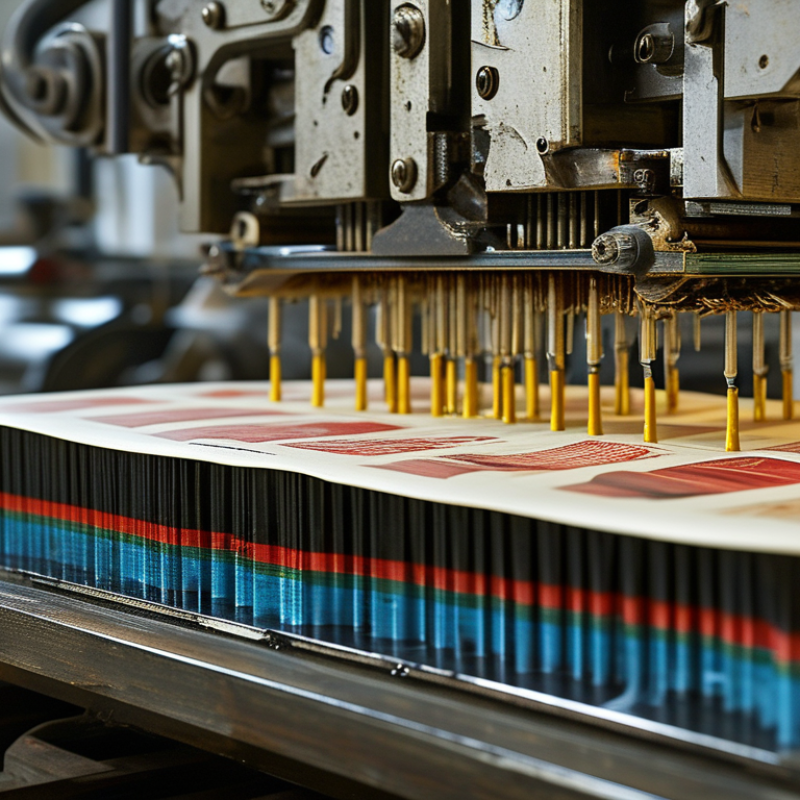
The process begins as the flexible pouch material rolls through the machine. The printing units apply ink using various methods, including flexography or rotogravure. Each method has unique advantages, such as speed and durability of prints. The printed pouches then pass through drying units to ensure the ink adheres properly.
Despite its efficiency, using a pouch printing machine can present challenges. Variations in material can affect print quality. Additionally, ensuring consistent ink viscosity is crucial for optimal results. Reflecting on these challenges helps industries improve their processes. A deeper understanding of the technology is necessary for anyone looking to utilize pouch printing effectively.
Key Components of a Pouch Printing Machine
Pouch printing machines are vital in the packaging industry, especially for flexible packaging. They enhance efficiency and reduce waste. Understanding the key components of these machines can help businesses maximize output and maintain quality.
The primary components of a pouch printing machine include the printing unit, drying system, and unwinding and rewinding systems. The printing unit is crucial. It often utilizes flexographic printing technology, allowing for high-speed production and vibrant colors. Flexographic printing can achieve speeds exceeding 300 meters per minute, according to industry reports. Efficient drying systems are necessary to ensure ink quality and adhesion. These systems usually use UV or infrared methods, affecting drying times significantly.
Tips: Regular maintenance is essential. A well-maintained machine operates more efficiently and consistently. Pay attention to the ink and substrate types you use. Optimal compatibility can lead to less waste and better print quality. Additionally, consider the setup of unwinding and rewinding systems. They can impact the overall workflow, and improper adjustments can cause production delays. Analyzing these factors can lead to improved performance and output.
Pouch Printing Machine Production Volume by Year
The Printing Process Explained
Pouch printing machines are specialized devices designed for creating printed bags and pouches. The printing process involves several key steps that ensure precision and quality. Initially, the artwork is prepared in a digital format. This stage is crucial as it sets the tone for the entire job. Quality designs lead to eye-catching pouches.
Once the design is ready, the machine uses a printing plate or a digital method like inkjet technology. The chosen material, often flexible films or papers, is fed into the machine. The ink needs to adhere properly, requiring specific drying times. This can be a tricky part, as inconsistent drying may lead to smudged prints. Each machine has its nuances, and understanding them is vital for optimal results.
After printing, the pouches undergo cutting and sealing. Precision in these steps is essential. Misalignment can result in waste or defects. Operators should monitor these processes closely. Regular maintenance of the machine aids in achieving better output quality. Adjustments are sometimes necessary, as not all materials behave the same way. Every print run is an opportunity to learn and improve.
Applications of Pouch Printing Machines
Pouch printing machines play a crucial role in various industries, providing efficient solutions for packaging needs. In the food sector alone, the demand for flexible packaging solutions has surged by 4.4% annually, according to industry reports. This growth is attributed to the rise in ready-to-eat and convenience foods, where pouches offer durability and shelf appeal.
Pharmaceutical companies also benefit significantly from pouch printing technology. Customizable pouches allow for easy branding and patient information. Reports indicate that the pharmaceutical packaging market is expected to grow to $200 billion by 2025. This trend highlights how vital pouch printing is for conveying safety and critical information on packaging.
However, the pouch printing process is not without challenges. Color consistency can vary during production, impacting brand image. Additionally, maintaining high-resolution prints while managing material costs can be daunting. Companies must invest in technology to ensure quality while balancing expenses. It's essential for businesses to continuously adapt to evolving market demands and consumer preferences in this competitive landscape.
What is a Pouch Printing Machine and How Does It Work? - Applications of Pouch Printing Machines
| Dimension |
Measurement |
Printing Speed |
Applications |
| Machine Size |
2m x 1.5m |
100-300 pouches/min |
Food Packaging |
| Printing Area |
200mm x 400mm |
200-500 pouches/min |
Beverage Packaging |
| Print Method |
Flexographic |
150-400 pouches/min |
Cosmetic Packaging |
| Power Consumption |
5 kW |
100-250 pouches/min |
Pharmaceutical Packaging |
Advantages of Using Pouch Printing Technology
Pouch printing technology offers several advantages that enhance production efficiency. This method allows for high-quality printing directly onto flexible pouches. The results are visually appealing, which can capture consumer attention. The precision in design often leads to better brand recognition.
Additionally, pouch printing has an eco-friendly edge. Many materials used are recyclable, contributing to sustainability goals. This technology reduces waste significantly, as it allows for printing in smaller batches. It minimizes excess inventory and cuts down costs. Despite these benefits, achieving consistency in color can be challenging. Some manufacturers may need to refine their processes.
Flexibility is another highlight of pouch printing. This method accommodates various sizes and types of pouches. Businesses can experiment with different designs easily. However, the learning curve can act as a barrier. New users may encounter difficulties initially. Embracing pouch printing requires patience and a willingness to adapt.