Why Choose Printed Food Pouches for Your Packaging Needs?
In today’s competitive market, packaging plays a vital role in attracting consumers. Printed Food Pouches offer a unique blend of functionality and visual appeal. These pouches not only serve to protect food but also enhance brand visibility. Their customizable designs grab attention on store shelves, making them an ideal choice for many businesses.
Many companies overlook the importance of packaging quality. Without proper packaging, even the best products might not sell. Printed Food Pouches create an opportunity to stand out. They are lightweight yet durable, making them suitable for various food items. This flexibility allows brands to appeal to a broader audience.
However, choosing the right packaging is complex. Not all pouches are created equal. Factors like material, size, and design should align with your brand’s message. Investing in Printed Food Pouches often requires careful consideration of these details. Businesses may need to evaluate their options repeatedly to find the best fit.
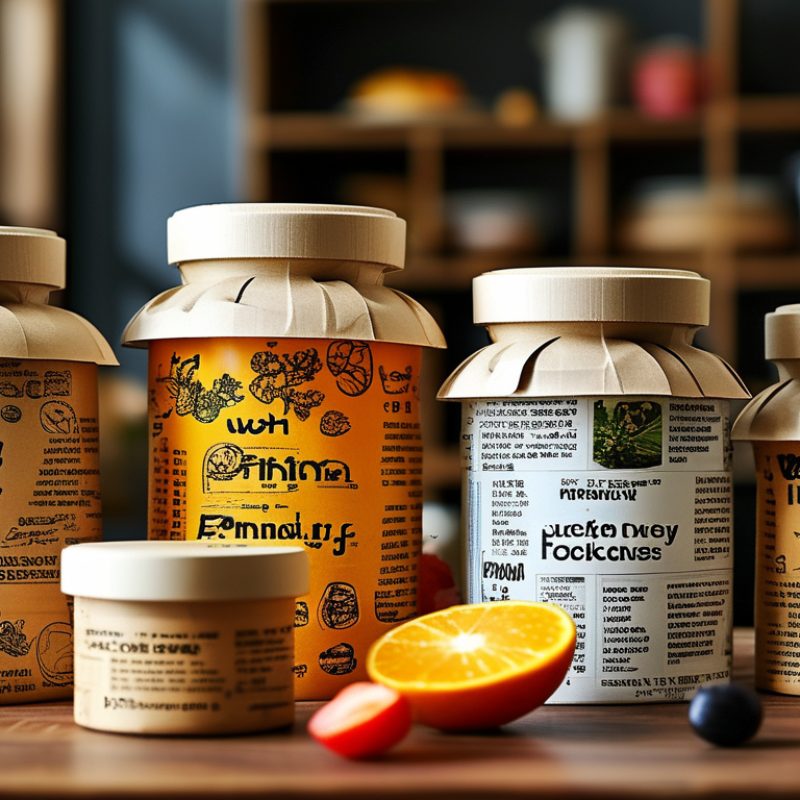
Benefits of Printed Food Pouches Over Traditional Packaging Solutions
Printed food pouches are transforming the packaging landscape. Their versatility gives brands new opportunities to stand out. According to a recent study by Smithers Pira, flexible packaging is projected to grow at 4.4% annually through 2024. Printed food pouches contribute significantly to this growth due to their eye-catching designs and cost-effectiveness.
One of the main advantages of printed food pouches is their lightweight nature. They take up less space during storage and transport. This leads to reduced shipping costs and carbon emissions. A report by Grand View Research states that flexible packaging can reduce material usage by up to 60%. This is a crucial factor for environmentally-conscious brands. Additionally, printed pouches offer excellent barrier properties, preserving freshness and extending shelf life.
However, there's a need for careful material selection. Not all pouches are created equal. Some may not provide the intended durability or protection. Brands should conduct thorough testing to ensure quality. Consumer preferences are shifting towards sustainability, with 63% willing to pay more for eco-friendly packaging, as noted by Nielsen's recent survey. Balancing cost, quality, and environmental impact remains a challenge for many businesses.
Market Growth Trends: The Rise of Flexible Packaging in the Food Industry
The food packaging industry is experiencing a significant shift towards flexible packaging solutions. Printed food pouches are gaining popularity due to their versatility, cost-effectiveness, and environmental benefits. They are lighter than traditional containers, lowering shipping costs and reducing carbon footprints. Moreover, these pouches offer excellent barrier properties, keeping food fresh for longer periods.
When choosing printed food pouches, consider the size and design carefully. The right dimensions ensure minimal waste in both materials and space. Design matters too. A visually appealing pouch can attract customers and communicate essential information about the product effectively. Bright colors and clear labeling can enhance visibility on store shelves.
Experiment with different materials to find the most suitable one for your products. Options like biodegradable materials are becoming increasingly available. However, testing their performance can be tricky. Reflect on how these choices impact both the environment and consumer perception. Flexibility in packaging not only meets current market demands but can also adapt as trends change. Staying informed about evolving consumer preferences will help you navigate this dynamic market effectively.
Market Growth Trends: The Rise of Flexible Packaging in the Food Industry
This bar chart illustrates the growth of the flexible packaging market in the food industry from 2018 to 2023. The market has shown a consistent increase, reflecting the rising demand for more sustainable and versatile packaging solutions.
Sustainability and Eco-friendliness: How Printed Pouches Reduce Waste
Printed food pouches are gaining attention for their sustainability and eco-friendliness. These pouches are often made from recyclable materials, which significantly reduces waste compared to traditional packaging options. Many pouches can be designed to be lightweight, minimizing the carbon footprint during transportation. This aspect draws in businesses that are increasingly focused on reducing their environmental impact.
However, not all printed pouches are created equal. While they offer advantages, some materials may not break down effectively in landfills. This raises the question: Are we truly making a difference? It's essential to examine the lifecycle of these pouches. Proper consumer education on disposal methods can enhance their sustainability benefits.
Choosing printed pouches can be a step toward better packaging solutions. They allow for vibrant designs that attract consumers while promoting earth-friendly practices. Still, the industry must continuously evolve. More innovations are needed to ensure that all printed pouches contribute positively to the planet's health.
Consumer Preference: The Impact of Design and Branding on Purchases
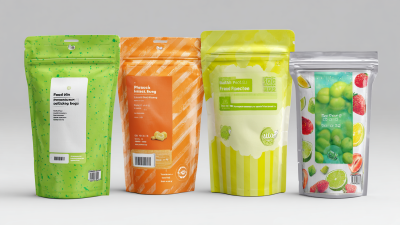
When it comes to packaging, the design plays a crucial role in attracting consumers. Printed food pouches offer vibrant colors and eye-catching graphics. These visual elements can make a product stand out on crowded shelves. Consumers often make snap decisions based on packaging. A well-designed pouch can draw them in, sparking curiosity about the product inside.
Branding also influences consumer choices significantly. A memorable logo or unique color scheme can create an emotional connection with shoppers. This connection often leads to loyalty. However, not every brand gets it right. Some rely too heavily on flashy designs without substance. This can lead to disappointment when the product fails to meet expectations.
In a market flooded with options, authenticity matters. Consumers are increasingly seeking transparency. Packaging must reflect the true quality of the food inside. If the design misrepresents the product, it can damage trust. Therefore, balancing aesthetics with honesty is essential. A thoughtful approach to packaging not only attracts but retains customers.
Cost-Effectiveness: Analyzing the Economic Benefits of Printed Pouches
Printed food pouches offer a unique blend of functionality and cost-effectiveness. They can reduce overall packaging expenses significantly. Traditional packaging materials often involve higher production and transportation costs. In contrast, printed pouches use less material and are lightweight. This reduction in weight can lead to savings in shipping fees, which is crucial for producers looking to maximize profit margins.
Beyond direct costs, printed pouches enhance brand visibility. Vibrant designs attract consumers and create a memorable impression. The visual appeal can lead to increased sales, further justifying the initial investment. However, not every design will resonate with the target audience. Testing different approaches is necessary to ensure that the printed pouch effectively communicates the product's essence and brand message.
It's important to consider the longevity of printed pouches. They must withstand various conditions while preserving the food's integrity. Sometimes, the initial production might overlook these durability aspects, leading to challenges such as leaks or spoilage. A reflective approach is essential in selecting materials and designs that ensure both aesthetic appeal and reliability.