Best Sachet Packaging Solutions for Your Business Needs?
Sachet packaging has become essential for businesses aiming to maximize efficiency and appeal. According to a report by Smithers Pira, the global sachet packaging market is projected to reach $49 billion by 2027, driven by demand in various sectors. Notably, the flexibility and convenience of sachet packaging make it a favorite among consumers.
John Williams, a leading expert in packaging solutions, states, "Sachet packaging revolutionizes how brands interact with consumers, offering convenience without compromise." His insights highlight the growing significance of this format in enhancing user experience.
As companies strive for innovation, they must consider the unique needs of their products. While many businesses embrace sachet packaging, some struggle to find the right balance between design and functionality. Reflecting on these challenges can lead to better solutions that truly cater to market demands, ensuring longevity in a competitive landscape.
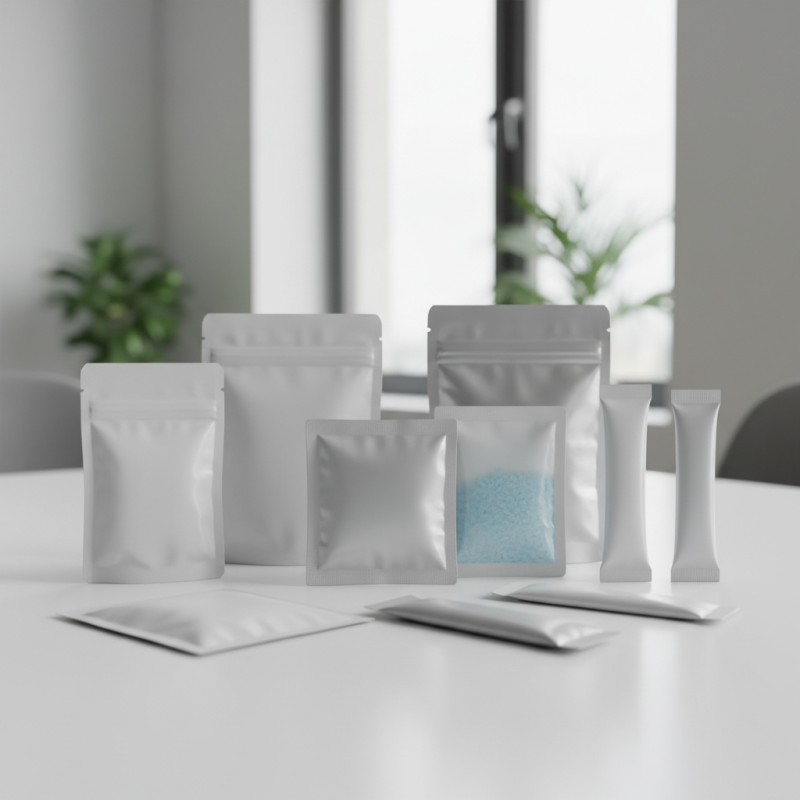
Understanding Sachet Packaging and Its Importance for Businesses
Sachet packaging has become essential for many businesses today. This packaging type offers convenience and efficiency, which are crucial in a fast-paced market. According to a report by Smithers Pira, the global flexible packaging market is projected to reach $300 billion by 2025. This growth is largely driven by the rising demand for single-serve packaging solutions, which are often found in sachets.
With sachet packaging, businesses can reduce waste and optimize product usage. A study by Allied Market Research shows that consumers are increasingly drawn to products that offer portion control. This is especially important in food and beverage sectors. Moreover, sachets can enhance product freshness, leading to higher customer satisfaction. However, many companies still struggle with the balance between sustainability and functionality in their packaging choices.
Despite the advantages, some businesses face challenges when adopting sachet packaging. Compatibility with existing supply chains can be a significant hurdle. There's also the risk of over-packaging, which can lead to environmental concerns. Companies need to critically assess their packaging strategies. They should strive for innovation while adhering to eco-friendly practices. This balance is key to maximizing the benefits of sachet packaging in their operations.
Best Sachet Packaging Solutions for Your Business Needs
| Sachet Type |
Material |
Size (mm) |
Seal Type |
Typical Applications |
| Stand-Up Pouch |
Polyethylene |
100 x 150 |
Heat Seal |
Snacks, Powders |
| Flat Sachet |
Aluminum Foil |
70 x 100 |
Cold Seal |
Cosmetics, Pharmaceuticals |
| Single-Use Sachets |
Paper |
50 x 70 |
Heat Seal |
Condiments, Sauces |
| Child-Resistant Sachet |
PET/PE |
90 x 120 |
Heat Seal |
Tobacco, Medication |
Types of Sachet Packaging Materials: Pros and Cons
Sachet packaging is versatile and effective for various products. However, the choice of material can significantly affect the overall performance and appeal of the packaging. Common materials include plastic, metalized film, and paper. Each comes with distinct advantages and disadvantages.
Plastic is popular for its flexibility and durability. According to a recent industry report, 60% of sachet packaging uses plastic due to its lightweight nature. However, environmental concerns arise from plastic waste. Many companies are exploring biodegradable options, but these alternatives often have a higher cost.
Metalized film offers a barrier against moisture and light. This feature ensures product longevity. Nevertheless, the visual appeal may not match that of plastic. Research shows that metalized sachets can increase shelf life by up to 30%. Nonetheless, brands must assess their target demographics, as consumers are increasingly drawn to sustainable packaging choices.
Best Sachet Packaging Solutions for Your Business Needs
This chart illustrates different types of sachet packaging materials, highlighting their pros and cons based on key factors such as cost-effectiveness, barrier properties, and user-friendliness.
Key Factors to Consider When Choosing Sachet Packaging Solutions
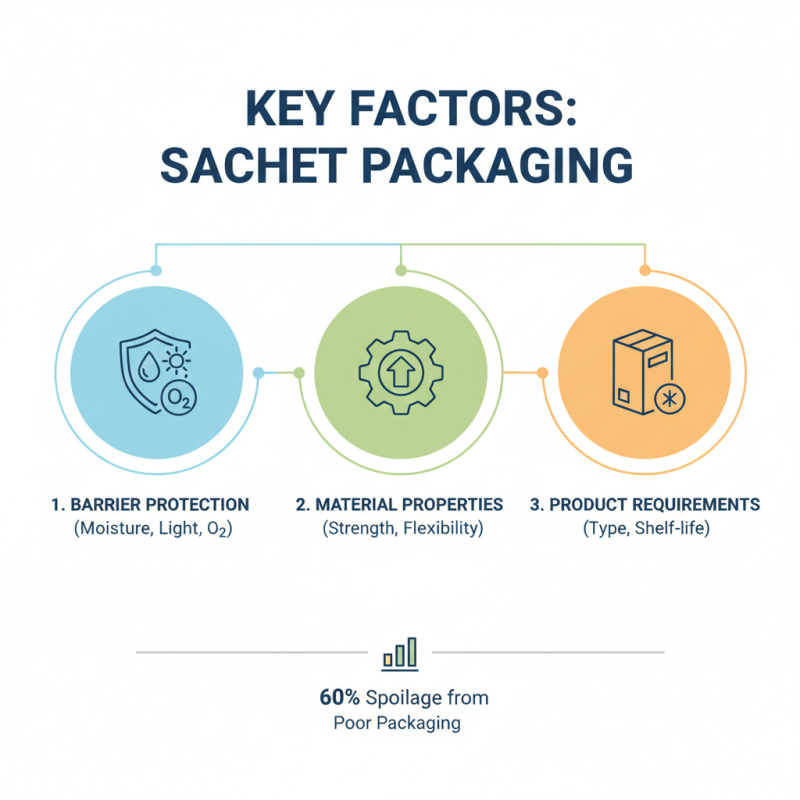
When choosing sachet packaging solutions, several key factors come into play. First, the physical properties of the packaging material are crucial. For instance, materials must provide barrier protection against moisture, light, and oxygen. According to a recent industry report, around 60% of product spoilage is due to inadequate packaging. Understanding the product's requirements helps in selecting the right type of material.
Compatibility with the product is another essential factor. Whether it’s food, cosmetics, or pharmaceuticals, each category has specific needs. Reports indicate that 70% of consumers prefer products in sachet form for convenience and freshness. This preference highlights the importance of developing sachet designs that serve functional purposes while addressing consumer demands.
**Tip**: Always consider sustainable materials. More than 55% of consumers prioritize eco-friendly packaging.
Additionally, customization options should not be overlooked. Custom printing and design can enhance brand identity and attract customers. However, it is crucial to balance aesthetics with functionality. Sacrificing quality for a fancy design may lead to product leakage or spoilage, rendering efforts ineffective.
**Tip**: Test prototypes before full-scale production to avoid costly errors.
Innovative Sachet Packaging Designs to Enhance Brand Appeal
Innovative sachet packaging designs can significantly enhance brand appeal, especially in today’s fast-paced market. According to a report from Smithers Pira, the global sachet packaging market is expected to reach $3.24 billion by 2026. This highlights the growing demand for convenient and attractive packaging solutions.
Sachet packaging offers a powerful way to showcase a brand's uniqueness. Eye-catching visuals and sustainability are key factors. Decisive elements such as color schemes and typography influence consumer decisions. Research indicates that 74% of consumers say packaging influences their purchase decisions. Hence, this creates an opportunity for businesses to utilize distinctive designs that communicate their brand values effectively.
However, there are challenges. Balancing aesthetics and functionality can be complex. Innovating without compromising on usability is crucial. Brands must also consider the environmental impact of their packaging choices. As consumers become more eco-conscious, integrating sustainable materials can attract a broader audience. Reflections on these areas can lead to more effective packaging strategies that resonate with consumers and elevate a brand's presence in the marketplace.
Sustainability in Sachet Packaging: Eco-Friendly Options for Businesses
Sustainable sachet packaging is becoming increasingly important for businesses. Eco-friendly options are not just a trend; they represent a shift towards responsibility. Many companies are now seeking packaging that reduces environmental impact while still meeting their operational needs.
Biodegradable materials offer a viable solution for sachet design. These materials break down naturally, minimizing landfill waste. Recyclable films are also a popular choice. They can be processed again, promoting a circular economy. However, not all biodegradable options perform well in various conditions. This inconsistency can lead to frustration and require careful selection.
Another consideration is sourcing materials sustainably. Many businesses struggle to find suppliers that align with eco-friendly practices. Transparency in the supply chain can be lacking, making it difficult to assess eco-credentials. Effective communication and commitment to sustainability are key, but challenges remain. Identifying the right balance between functionality and eco-friendliness is a constant work in progress.