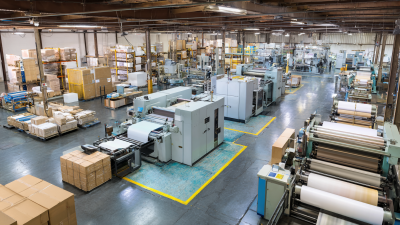
China’s flexible packaging sector has become a significant force in global converting and printing. Smithers’ report, The Future of Flexible Packaging to 2028, estimates that the worldwide market reached approximately US$201.3 billion in 2023. It also forecasts growth to about US$238.5 billion by 2028. China remains central to this expansion, supported by large food, beverage, pharmaceutical, and personal-care markets.
Printing quality now involves more than attractive graphics. It requires accurate color control, stable registration, safe ink systems, efficient material use, and dependable delivery. The Flexible Packaging Printing companies featured in this article are assessed through these practical criteria. Their capabilities may include gravure, flexographic, digital, and hybrid printing. Their experience with films, laminates, pouches, and recyclable structures also matters.
Pierre Pienaar, President of the World Packaging Organisation, has stated, “Packaging is a necessity, not a luxury.” That observation is especially relevant in China, where packaging must protect products through long supply chains. It must also meet changing sustainability expectations.
No ranking is perfect.
Company scale does not always equal printing excellence. A smaller converter may offer stronger color consistency or faster technical support. Meanwhile, a large supplier may provide better automation and capacity. This article therefore considers published company information, production experience, market visibility, quality systems, and customer applications. Some data may change as factories expand or technologies improve. Readers should verify certifications, substrates, ink compliance, and environmental claims before making purchasing decisions. The following selection offers a practical starting point for understanding China’s leading Flexible Packaging Printing companies.
China Top 10 Flexible Packaging Printing Companies
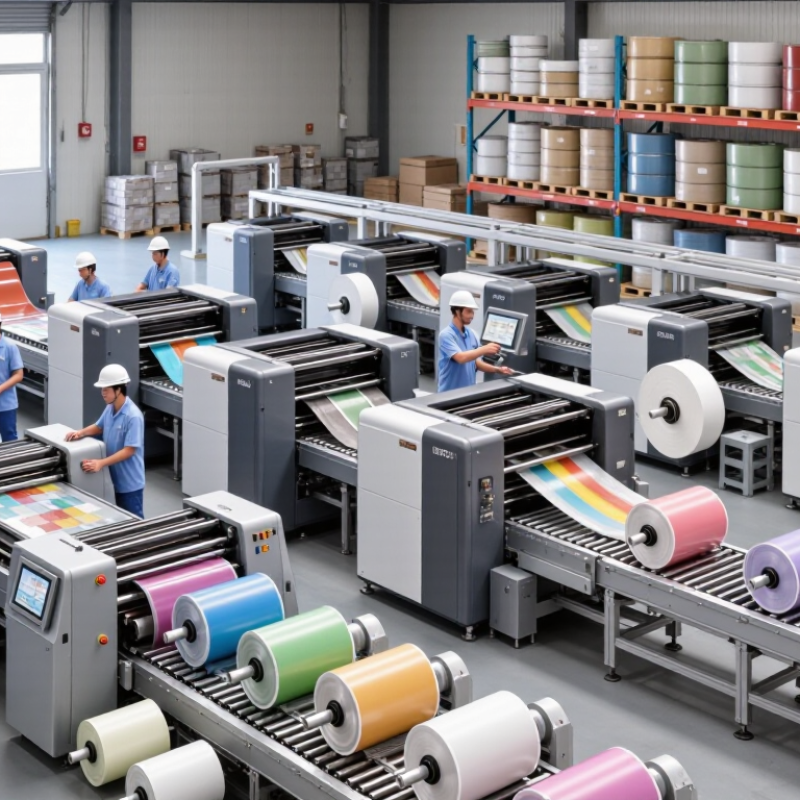
China’s flexible packaging printing industry serves food, personal care, pharmaceutical, and household product markets. Common materials include plastic films, paper laminates, aluminum foil, and recyclable structures. Gravure printing remains widely used for long production runs. Digital and flexographic methods are gaining attention for shorter orders and faster design changes.
Plant audits often examine color consistency, ink adhesion, drying performance, and roll cleanliness. A reliable supplier should provide documented quality procedures and traceable production records. Many factories now use automated inspection systems to detect pinholes, registration errors, and surface contamination. However, the industry is not flawless. Some facilities still struggle with waste control, uneven operator training, or unclear material claims. A printed package may look attractive, yet its full environmental performance requires careful review.
Tips: Ask for recent test reports. Check solvent recovery systems. Review sample rolls under real storage conditions. Confirm whether inks, films, and adhesives suit the intended product. Compare delivery records, not only quoted prices. A small trial order can reveal problems that brochures never show.
China Top 10 Flexible Packaging Printing Companies
Criteria for Selecting and Ranking the Top 10 Companies
When ranking China’s leading flexible packaging printers, practical evidence matters more than polished advertising. I would examine recent production samples, factory controls, and customer references. Print registration, color consistency, seal strength, and pouch accuracy reveal daily performance. A strong supplier should handle films, laminates, inks, and barrier structures safely. Technical support matters when a trial roll wrinkles or the artwork shifts.
The ranking should combine measurable results with business reliability. Key criteria include audited quality systems, traceable raw materials, inspection equipment, and stable delivery records. Environmental management deserves attention, but vague claims should not earn points. Ask for test reports, migration documentation, defect rates, and corrective-action records. Capacity must be verified against actual schedules, not only installed machines. A low quotation may conceal slower service or higher waste. That judgment can be uncomfortable. Public information is often incomplete.
Tips: Compare identical specifications. Request a pilot order. Check color samples under standard lighting. Discuss minimum quantities and lead times in writing. Visit the plant when possible. Speak with production staff.
China’s top ten flexible packaging printing companies reflect the country’s manufacturing depth. The profiles include coastal converters serving food exporters, inland plants supplying household goods, and specialist producers of pharmaceutical packs. Their common strengths are gravure printing, high-speed lamination, and strict color control. Several facilities now combine solventless adhesive systems with inline inspection. Small defects become visible under bright inspection lights.
Grand View Research valued the global flexible packaging market at about USD 255.9 billion in 2023. Its report expects continued growth through 2030, supported by convenience food and lightweight packaging demand. Within these profiles, one high-volume converter focuses on multilayer snack pouches. Another develops recyclable polyethylene structures. A third produces retort packaging for heat-processed foods. Two companies emphasize water-based inks, while others invest in digital plate-making and automated register correction.
The remaining profiles show more specialized experience. One converter serves medical packaging with controlled cleanroom production. Another prints short runs for regional food manufacturers. A northern producer concentrates on high-barrier films for moisture-sensitive products. Two coastal companies operate export-oriented inspection and traceability systems. Smithers’ flexible packaging research identifies sustainability, downgauging, and recyclability as major industry pressures. These companies are responding, but progress is uneven. Some recyclable structures still require demanding sealing tests. Performance claims need independent verification, not attractive samples. Reliable suppliers publish migration data, seal-strength results, and production tolerances before promising large-scale conversion.
| Rank | Anonymous Profile | Primary Printing Process | Main Packaging Formats | Common Substrates | Typical End Markets | Production Strengths | Quality and Compliance Focus |
|---|---|---|---|---|---|---|---|
| 1 | Profile 01 | High-definition gravure printing | Laminated roll stock, sachets, stand-up pouches | BOPP, PET, PE, CPP, metallized films | Snack foods, confectionery, dry foods | Multi-color registration, large-volume repeat production, solvent-based and solvent-free lamination | Food-contact controls, color consistency, traceability, seal integrity |
| 2 | Profile 02 | Gravure and digital short-run printing | Retort pouches, vacuum bags, three-side-seal bags | PET, nylon, retort CPP, aluminum foil laminates | Ready-to-eat meals, sauces, meat and seafood products | Heat-resistant structures, high barrier performance, pouch conversion | Retort resistance, oxygen and moisture barrier testing, migration control |
| 3 | Profile 03 | Water-based flexographic printing | Paper-based pouches, sachets, wrapper films | Kraft paper, coated paper, PE-coated paper, recyclable films | Bakery products, household goods, personal care | Lower-solvent production, paper-compatible structures, efficient repeat jobs | Ink safety, odor control, recyclability claims, print durability |
| 4 | Profile 04 | Rotogravure printing with inline inspection | Flat-bottom bags, quad-seal bags, zipper pouches | PET/PE, BOPP/PE, EVOH barrier films, metallized structures | Pet food, coffee, grains and powdered products | Precise pouch making, zipper application, anti-counterfeit and variable-code options | Automated defect detection, barcode verification, dimensional accuracy |
| 5 | Profile 05 | Gravure printing and cold-seal coating | Flow packs, sachets, overwrap films | BOPP, PET, PE, paper and coated film combinations | Chocolate, ice cream, biscuits and convenience foods | High-speed web handling, heat-seal and cold-seal compatibility, smooth finishes | Seal-strength testing, coefficient-of-friction control, food-packaging hygiene |
| 6 | Profile 06 | Flexographic and digital variable-data printing | Short-run pouches, promotional packs, sample sachets | PE, PP, PET, paper and compostable film structures | Specialty foods, emerging consumer products, e-commerce packaging | Fast artwork changes, low minimum quantities, versioned packaging | Color management, digital file control, batch identification and data accuracy |
| 7 | Profile 07 | High-speed gravure printing | Roll stock, sachets, laminated bags and liners | BOPP, PET, PE, CPP and aluminum foil | Noodles, spices, frozen foods and dry ingredients | High output, stable registration, broad film-width capability | Incoming-material inspection, ink adhesion, laminate bond strength |
| 8 | Profile 08 | Gravure printing with solvent-free lamination | Recyclable mono-material pouches, roll stock, sachets | Mono-PE, mono-PP, coated paper and high-barrier polyolefins | Household products, personal care and dry food packaging | Material-reduction projects, recyclable structures, efficient lamination | Recyclability assessment, bond strength, barrier performance and seal testing |
| 9 | Profile 09 | Flexographic printing for paper and film | Paper bags, sachets, wrap-around film and pouches | Paper, PE, PP, PLA-based and coated substrates | Bakery, takeaway food, agricultural products and daily necessities | Water-based ink capability, paper converting, lightweight packaging | Ink rub resistance, substrate compatibility, hygiene and packaging integrity |
| 10 | Profile 10 | Gravure printing with specialty finishing | Spouted pouches, shaped pouches, premium sachets | PET, nylon, PE, EVOH films and aluminum laminates | Liquid foods, detergents, cosmetics and medical-related products | Spout insertion, embossing, matte or gloss effects, customized pouch structures | Leak testing, drop testing, chemical compatibility, clean production controls |
China’s flexible packaging sector is moving beyond basic film printing. Smithers’ The Future of Global Flexible Packaging to 2028 estimates that the global market will exceed US$300 billion by 2028. Chinese converters are responding with gravure, flexographic, and digital printing systems. Each method serves a different production reality.
Gravure supports long runs and stable color reproduction.
Flexography reduces setup waste for shorter jobs.
Digital printing enables variable graphics, rapid sampling, and regional packaging versions.
However, speed alone is not enough. A pouch must survive filling, transport, heat, and repeated handling. Materials often include polyethylene, polypropylene, polyester, aluminum foil, paper, or multilayer combinations. These structures improve barrier performance, but recycling can become difficult. That weakness deserves more attention.
Tips: Ask for ink migration data, seal-strength results, and oxygen transmission rates before approval. Request press proofs using the final film structure. Check color under both daylight and store lighting. The WPO Global Packaging Trends report identifies recyclability and material reduction as major industry priorities. Use thinner films only after testing puncture resistance. A lighter package is not automatically a better package. Converters should also document solvent recovery, curing conditions, and batch traceability. Small omissions can damage an otherwise reliable packaging solution.
China Top 10 Flexible Packaging Printing Companies
China’s flexible packaging printing market is shifting from volume competition toward measurable performance. The leading ten companies are increasingly evaluated through color consistency, delivery reliability, material efficiency, and environmental data. Gravure remains important for long runs, while flexographic and digital systems support shorter orders and faster design changes. In production plants, automated inspection can detect pinholes, registration errors, and uneven ink coverage before shipment.
Sustainability is now a practical production issue, not only a marketing phrase. Converters are testing mono-material films, water-based inks, solvent recovery, and thinner structures. A lighter film can reduce material use, but it may weaken sealing or puncture resistance. Engineers must check seal strength, barrier performance, and shelf-life results under real storage conditions. Small details matter.
Future development will depend on better recycling systems and clearer material labeling. Packaging printers are also investing in digital workflow controls, energy monitoring, and traceability from film receipt to finished rolls. Data can reveal waste from color changes or machine setup. Still, not every “recyclable” structure performs equally in local facilities. This gap deserves more honest testing. Market growth may continue, but sustainability claims need evidence, third-party verification, and practical end-of-life planning.
Industry-wide demand indicators for flexible packaging printing in China, indexed to 2022 = 100. The chart does not rank or disclose individual companies.
China’s online retail sales increased from RMB 13.79 trillion in 2022 to RMB 15.42 trillion in 2023, while express-delivery volume rose from 110.58 billion to 132.07 billion parcels. These trends support continued demand for printed flexible packaging, shorter-run customization, and higher-efficiency production. Sustainability priorities are increasingly linked to lightweighting, recyclable structures, solvent reduction, and China’s national goals to peak carbon emissions before 2030 and achieve carbon neutrality before 2060.
Sources: National Bureau of Statistics of China, China State Post Bureau, and China’s “ dual-carbon ” policy targets. Index values are calculated from the cited 2022–2023 official statistics.