Choosing a reliable Pouch Printing Machine manufacturer requires more than comparing glossy brochures. Film type, pouch structure, print width, color accuracy, and drying performance can affect every production run. This guide examines China’s top ten manufacturers through practical criteria, including machine design, registration stability, ink compatibility, automation, energy use, and after-sales support.
The review considers manufacturers’ technical documentation, factory information, product history, certifications, and available customer evidence. Important details include servo control, web tension management, inspection systems, curing performance, and cleaning access. A machine may print attractive samples but struggle during long shifts. That difference matters.
Real production reveals the truth.
We also consider whether suppliers explain limitations clearly. Honest communication often indicates stronger engineering support. Response times, spare-parts availability, installation training, and remote troubleshooting can influence ownership costs as much as the initial quotation. However, rankings should not be treated as permanent facts. Product lines change, service quality varies by region, and public information can remain incomplete. This is where careful verification becomes essential.
Readers should request current specifications, sample testing, reference projects, and written warranty terms before making a decision. Comparing the same pouch material and artwork can expose differences in registration, color consistency, and waste. A dependable Pouch Printing Machine should match the buyer’s real workload, not simply appear advanced in a showroom. This overview aims to provide a balanced starting point for professional evaluation, while recognizing that no single manufacturer fits every packaging operation.
China Top 10 Pouch Printing Machine Manufacturers
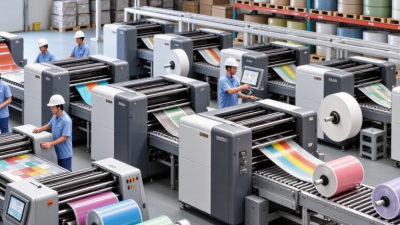
China’s pouch printing machine industry supports a large and increasingly technical flexible packaging market. Mordor Intelligence estimates China’s flexible packaging market will grow from about USD 47 billion in 2024 to over USD 60 billion by 2029. This expansion is strengthening demand for gravure, flexographic, and digital printing equipment. Many manufacturers now combine servo drives, automatic registration, and inline inspection. These features reduce setup waste and improve color consistency on high-speed pouch lines.
Energy efficiency is becoming a practical purchasing factor. Smithers’ Future of Flexible Packaging reports continued global growth in flexible packaging, driven by lightweight formats and material savings. Chinese equipment makers are responding with regenerative drives, solvent-recovery options, and shorter cleaning cycles. A modern machine may print several colors, detect register errors, and adjust tension continuously. Operators still matter.
Export experience also shapes product development. Manufacturers commonly design machines for different film widths, ink systems, and regional electrical standards. Compliance documentation, spare-parts access, and remote diagnostics can influence total operating cost more than the purchase price. The picture is not flawless. Some machines still require careful manual calibration, especially with thin films and recycled structures. Independent testing remains important because catalog speed does not always equal stable production speed. Reports from Smithers, Mordor Intelligence, and industry trade associations provide useful benchmarks, but buyers should verify results through factory trials and measurable waste data.
This chart presents indicative rated web speeds for major pouch-printing technologies used in China’s flexible-packaging machinery sector. Gravure and flexographic systems generally support high-volume production, while digital printing focuses on shorter runs, variable data, and faster job changes. Values are representative industry specifications rather than company rankings.
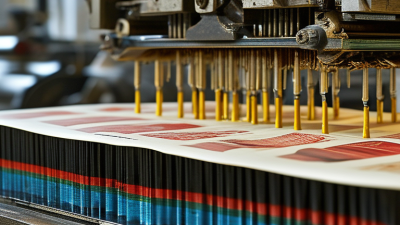
Pouch printing machines combine several technologies to maintain sharp images on flexible film. Flexographic printing uses flexible plates and controlled ink transfer for efficient, repeatable production. Gravure printing uses engraved cylinders, supporting fine details and smooth color areas. Servo motors improve web tension and reduce film movement during printing. Registration sensors then correct color alignment as the material passes through each station. Small errors matter. A slight shift can make text look blurred or uneven.
Tips: Keep film tension stable. Calibrate sensors before each production run. Measure ink viscosity regularly, rather than relying only on visual checks. Closed-loop control can adjust registration automatically, but operators still need to verify the results. Camera inspection systems detect missing text, streaks, and color variation. They are useful, though not perfect.
Modern machines also use advanced drying systems, including hot-air and energy-efficient curing options suited to compatible inks. Proper drying prevents blocking when printed film is rewound. Water-based inks can support lower-emission production, but they may require careful temperature and airflow control. Poor drying remains a common practical problem. I have found that production records often reveal issues that operators miss during a busy shift. Recording speed, tension, ink viscosity, and drying temperature creates stronger process control. The technology helps, but disciplined adjustment still decides print quality.
| Profile | Machine Configuration | Primary Pouch Materials | Printing Technology | Print Stations | Typical Web Width | Typical Speed | Drying System | Registration Control | Key Automation Features |
|---|---|---|---|---|---|---|---|---|---|
| 01 | Flexible packaging gravure press | PET, BOPP, CPP, PE, laminated films | Rotogravure with engraved cylinders | 8–10 | 600–1,300 mm | 120–250 m/min | Hot-air oven with exhaust and solvent recovery options | Automatic optical control | Servo drives, tension control, viscosity monitoring |
| 02 | High-speed gravure press | BOPP, PET, PA, PE and paper laminates | Solvent-based or water-based gravure | 8–12 | 800–1,400 mm | 180–350 m/min | Multi-zone hot-air drying with temperature feedback | Closed-loop camera system | Automatic splice detection, preset recipes, remote diagnostics |
| 03 | Water-based ink packaging press | Paper, coated paper, BOPP and treated PE | Water-based flexographic printing | 6–10 | 600–1,200 mm | 150–300 m/min | Extended hot-air drying for water evaporation | Servo register control | Automatic wash-up support, anilox pressure adjustment |
| 04 | Short-run digital pouch press | Coated films, paper, PET and synthetic stocks | Inkjet or electrophotographic digital printing | CMYK plus spot colors | 300–700 mm | 30–100 m/min | LED-UV or hot-air drying, depending on ink system | Digital image registration | Variable-data workflow, barcode verification, job presets |
| 05 | Eight-color flexographic press | PE, PET, BOPP, CPP, paper and biodegradable films | Central-drum flexographic printing | 6–10 | 800–1,600 mm | 200–500 m/min | Interstation hot-air drying with chilled drum support | Automatic side-lay and longitudinal register | Sleeve plate technology, viscosity control, waste reduction modes |
| 06 | Wide-web laminated pouch press | PET/PE, PET/AL/PE, PA/PE and paper laminates | Gravure printing for multilayer packaging | 8–10 | 900–1,300 mm | 150–300 m/min | High-capacity hot-air drying with solvent monitoring | Camera-based closed loop | Automatic reel change, edge guiding, tension zoning |
| 07 | Eco-focused flexographic press | Mono-PE, mono-PP, paper and compostable films | Water-based or low-migration flexography | 6–8 | 600–1,200 mm | 120–280 m/min | High-efficiency hot-air drying with heat recovery options | Servo-controlled register | Energy monitoring, automatic ink circulation, quick-change sleeves |
| 08 | Reverse-printing film press | PET, BOPP, PA and transparent barrier films | Reverse gravure or reverse flexography | 6–10 | 600–1,300 mm | 150–300 m/min | Multi-zone hot-air system suitable for low-migration inks | High-resolution vision inspection | Ink pump control, web cleaning, defect detection |
| 09 | Narrow-web specialty pouch press | Paper, PET, PE, labels and specialty laminates | Flexography with optional rotary screen or cold foil | 4–8 | 250–700 mm | 80–200 m/min | UV, LED-UV or hot-air drying | Servo register and mark sensor | Fast job changeover, modular finishing, waste counters |
| 10 | Hybrid pouch printing line | PET, PE, BOPP, paper, foil and recyclable structures | Flexographic or gravure base with digital enhancement | 6–10 plus digital unit | 600–1,200 mm | 100–250 m/min | Combined hot-air, UV or LED-UV drying | Integrated vision and servo control | Workflow automation, variable data, inline inspection and cloud-ready reporting |
Note: The figures represent industry-typical capability ranges for non-branded pouch printing equipment. Actual performance depends on substrate, ink system, cylinder or plate design, pouch structure, print repeat, and operating conditions.
China’s Top 10 Pouch Printing Machine Manufacturers are often evaluated through practical production details, not advertising claims. A reliable shortlist should include manufacturers with proven experience in gravure or flexographic pouch printing equipment. Their machines may support flexible film, laminated structures, and various ink systems. Buyers should examine print width, color accuracy, drying capacity, and production speed.
A strong Chinese manufacturer usually provides stable web tension control and automatic registration correction. These features reduce wrinkles and color shifts during long production runs. Factory testing should include sample printing on the buyer’s actual film. Watch the unwinding unit closely. Poor tension control can create waste before printing even begins. Technical teams should also explain maintenance intervals, spare-part access, and operator training in clear language.
No shortlist is flawless. Some manufacturers publish impressive speeds but provide limited information about real production conditions. Others offer attractive prices while leaving installation support unclear. Ask for running samples, energy data, and written performance terms. Check whether the control system records faults and whether drying temperatures remain consistent across the web. A thoughtful comparison of the top 10 Chinese pouch printing machine manufacturers should consider engineering depth, quality inspection, delivery reliability, and after-sales response. These details often matter more than a polished showroom or a very low initial quotation.
When comparing China’s top ten pouch printing machine manufacturers, supplier evaluation should begin with evidence, not attractive brochures. Ask for a live demonstration using your film, ink, artwork, and target pouch structure. Watch registration during speed changes. Check the printed roll under bright light. Small color shifts often reveal weak process control. Ask who operates the machine and how long training takes. Practical experience matters here.
Examine machine details closely. Confirm printing width, color stations, drying capacity, web tension range, and compatible substrates. Request recent test reports for ink adhesion, solvent residues, color consistency, and waste rate. Reliable suppliers explain test conditions clearly. They should provide component specifications, maintenance intervals, spare-parts lists, and service response times. Speak with reference customers producing similar pouch sizes. A factory visit can reveal assembly discipline, inventory, and actual inspection routines. Photos are not enough.
Commercial terms deserve equal attention. Compare total ownership cost, including energy use, installation, training, tooling, and expected downtime. Read warranty exclusions carefully. Ask how remote diagnostics work when an alarm appears at midnight. A serious supplier records corrective actions and shares measurable acceptance criteria. Do not trust every impressive number. Some claims are difficult to reproduce. Test it twice. I would also check changeover time twice, because the first demonstration may be rehearsed. Leave room for doubt. The cheapest quotation can become expensive through waste, delays, and unavailable parts.
Pouch printing is moving beyond attractive graphics. It now supports product protection, traceability, and faster market testing. Food, coffee, pet food, personal care, and household products use printed pouches widely. Grand View Research valued the global flexible packaging market at about USD 248.9 billion in 2023. It expects continued growth through 2030. This expansion increases demand for accurate color control and stable registration.
Flexographic and rotogravure machines still suit long production runs. Digital pouch printing is gaining attention for shorter runs, seasonal designs, and localized packaging. Smithers reported that digital print for packaging could grow from approximately USD 22 billion in 2023 to USD 36.9 billion by 2028. Water-based inks, low-migration systems, and recyclable mono-material films are also receiving greater investment. However, sustainability claims require testing. A recyclable film can still fail when inks, adhesives, or sealing layers are incompatible. Forecasts may also overestimate adoption because equipment costs remain significant.
Tips: Test ink adhesion, seal strength, and scuff resistance on the actual film. Ask suppliers for migration data and color-management records. Track waste per job, not only printing speed. Automation can reduce setup errors, but it cannot replace skilled inspection. Future machines will likely combine inline vision, variable data, and connected production software. The difficult question remains practical: can these features deliver measurable savings on every pouch format?