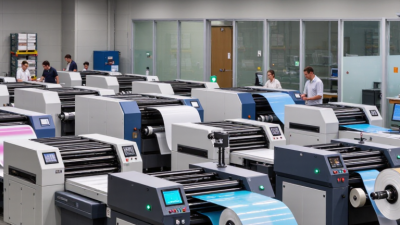
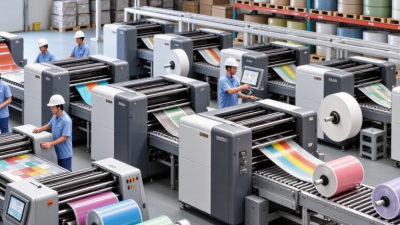
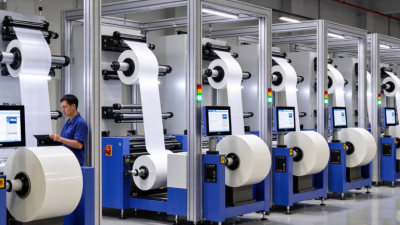
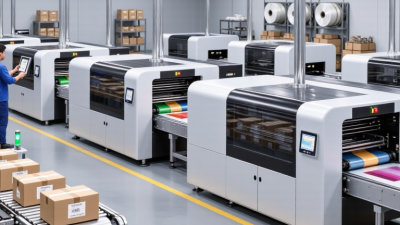
Packaging printing is entering a more demanding phase in 2026. Brand owners want shorter runs, faster artwork changes, sharper graphics, and less material waste. A modern Packaging Printing Machine must therefore deliver speed without sacrificing registration, color consistency, or substrate flexibility. It must also fit real factory conditions, including limited floor space and rising energy costs.
Smithers’ “The Future of Packaging Printing to 2028” identifies digital, flexographic, gravure, and offset printing as major technologies shaping packaging production. The report highlights continued digital growth, supported by versioned packaging, regional production, and shorter print runs. Grand View Research also forecasts strong expansion in digital printing for packaging, driven by e-commerce, customization, and faster product launches. These findings suggest that buyers should compare more than headline output. Ink compatibility matters. Drying performance matters. Service access matters even more.
PMMI’s packaging industry reports repeatedly emphasize automation, labor efficiency, data connectivity, and sustainability. Those priorities affect every equipment decision, from inline inspection cameras to waste-reduction controls. Still, the industry sometimes treats automation as a complete solution. It is not. A highly automated press can underperform when operators lack training or maintenance support. Buyers should test actual films, cartons, labels, and inks before signing contracts. A sample may look perfect under showroom lighting, yet fail during long production runs. That uncomfortable gap deserves attention.
This 2026 guide examines the leading Packaging Printing Machine types and their practical uses. It compares flexographic, digital, gravure, offset, and hybrid systems. The goal is simple: connect technical specifications with measurable production needs, not marketing promises.
2026 Top Packaging Printing Machine Types Buyers Need?
Packaging Printing Machines: Core Functions and Buying Criteria
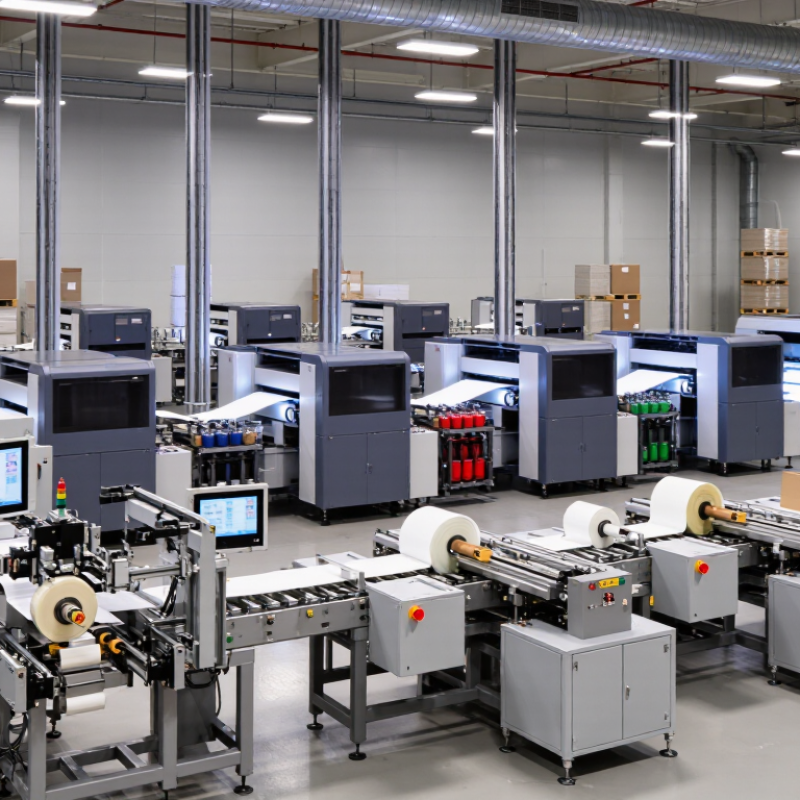
Packaging printing machines now serve flexible films, paper pouches, labels, cartons, and coated materials. Their core job is controlled image transfer. A reliable system feeds the substrate evenly, maintains color registration, and dries ink without damaging the material. Some machines use flexographic, gravure, digital, or hybrid printing methods. Each method fits different order volumes, artwork changes, and surface requirements.
Look closely at the complete workflow. Automatic tension control can prevent wrinkles during high-speed production. Inline inspection can detect missing text, streaks, and color shifts before many rolls are wasted. Drying or curing capacity also matters, especially with dense ink coverage. Ask for printed samples using your actual substrate. Catalog performance can look impressive. Factory results may differ.
Buying decisions should include print width, repeat length, resolution, changeover time, power use, and operator access. A machine with impressive speed may perform poorly on short runs if setup takes too long. Maintenance access deserves attention; hidden rollers and difficult cleaning points create avoidable downtime. Request data on waste rates, spare-part availability, training, and service response. Total cost is more than the purchase price. I have seen buyers focus heavily on speed and overlook ventilation, floor space, and workflow compatibility. That mistake can be expensive.
Flexographic printing machines remain a practical choice for high-volume flexible packaging in 2026.
They print efficiently on films, paper, and laminated webs. Modern presses support short setup times, automatic register control, and solvent or water-based inks. These details matter when a converter runs thousands of snack pouches each hour. Smithers’ The Future of Flexographic Printing to 2028 reports continued market growth, supported by flexible packaging demand and improved press automation. The report also highlights pressure to reduce waste and energy use.
Production data should guide machine selection.
A central-drum press can improve color stability on thin films. A CI flexographic press is often suitable for long pouch and wrapper runs. Web width, repeat length, drying capacity, and ink consumption deserve equal attention.
The wrong dryer can quietly increase energy costs. I have seen impressive speed claims become less useful when operators change jobs frequently. Training still matters.
Tips:
Request a live trial using your actual film, ink, and artwork. Measure setup waste, register variation, drying performance, and cleaning time. Compare the results with ISO 12647-6 targets for flexographic print consistency. FTA’s FIRST guidance also recommends controlled prepress, ink, substrate, and press conditions. Do not judge speed alone. A slightly slower press may deliver better uptime and fewer rejected rolls.
Rotogravure printing machines suit premium packaging and long-run designs that demand stable color and sharp detail. They use engraved cylinders to transfer ink onto film, paper, or laminated materials. This process supports dense coverage, smooth gradients, and consistent results across extended production runs. Buyers should examine cylinder preparation, drying capacity, web tension control, and registration accuracy. A machine may print beautifully at low speed but struggle when output increases.
In practical production checks, operators often inspect ink viscosity, splice quality, and edge alignment every few hours. Small changes can create banding, color shifts, or uneven drying. Modern systems with automatic register control can reduce waste, but they still need skilled supervision. Automation is helpful, not magical. I have seen efficient lines lose material because operators trusted sensors without checking the printed web. That assumption can become expensive.
Tips: Request a live trial using your actual substrate and artwork. Measure setup waste, drying performance, color variation, and changeover time. Ask how quickly cylinders can be changed and cleaned. Review service access around dryers, pumps, and tension units. Also consider future packaging formats, because a machine designed only for today’s narrow product range may limit growth. Rotogravure equipment has high preparation costs, so it usually makes stronger financial sense for repeat orders and longer runs. Short campaigns may require a careful comparison with more flexible printing methods.
Typical operating-speed ranges show why rotogravure printing machines remain well suited to premium packaging and long-run designs. Actual output depends on substrate, ink system, cylinder specification, drying capacity, and job complexity.
Indicative commercial web-printing speed ranges in meters per minute; values represent typical machine capabilities rather than guaranteed production output.
Digital packaging printing machines are changing how converters handle custom orders and short production runs. Instead of preparing plates, operators send approved artwork directly to the press. This reduces setup waste and makes version changes less disruptive. A small batch can carry regional graphics, seasonal labels, or serialized carton details. The practical advantage is control, not simply speed. It matters when inventory risks are high. Still, digital printing is not perfect.
Before choosing a machine, buyers should examine substrate compatibility, ink adhesion, color stability, and finishing requirements. A press may print sharply on coated stock but struggle with textured paper or flexible film. Requesting a real production trial is wiser than trusting a brochure. Measure registration, drying time, rub resistance, and usable sheets per hour. Ask how maintenance is documented and how operators receive technical support. These details reveal whether the equipment fits daily work.
Digital systems suit short runs because variable data and multiple designs can be produced without lengthy changeovers. They also support prototypes, test markets, and late artwork updates. However, high-volume jobs may still favor conventional equipment when unit cost dominates. Energy use, ink waste, and ventilation needs deserve attention. A rushed purchase can create hidden costs. Buyers should compare total operating cost over several years, not only the machine price. In my experience, the most reliable choice is the one staff can operate consistently. That judgment may change after real trials.
Packaging buyers in 2026 are choosing process control, not simply the fastest machine. Offset printing remains valuable for folding cartons requiring sharp images, fine type, and stable color across long runs. Its plate-based setup rewards accurate prepress and disciplined makeready.
From production experience, small registration errors become obvious around die-cut windows and folded edges. Measure twice. Check substrate behavior before approving samples. Paperboard can absorb ink unevenly, especially in humid rooms.
Screen printing suits specialty effects, opaque inks, tactile varnishes, and heavy coverage on textured materials. It works well for premium labels, rigid boxes, and short runs where visual impact matters more than speed.
Mesh selection, squeegee pressure, ink viscosity, and curing conditions affect consistency. Screen production can also introduce manual variation. That weakness deserves attention.
Hybrid machines combine offset efficiency with screen effects in one workflow. They can print detailed base graphics, then add raised coatings, dense white layers, or selective texture. This reduces handling between processes, but setup becomes more demanding.
Buyers should compare real samples, waste rates, changeover time, and service response. Request repeatability testing after a full production cycle. A machine that performs beautifully during a demonstration may struggle with recycled board, uneven moisture, or frequent short runs. This is where careful questioning matters.