Choosing the right Packaging Printing Machine is rarely a simple matter of comparing speed, price, or brand recognition. Global buyers face different substrates, ink systems, production volumes, labor skills, and service conditions. A machine that performs beautifully in a German plant may struggle with humidity, unstable power, or limited technical support elsewhere. These practical differences matter.
This guide examines 10 best packaging printing machines for global buyers through a production-focused lens. It considers print quality, press flexibility, automation, energy use, changeover time, waste control, and after-sales service. It also looks beyond polished brochures. Real value appears during setup, maintenance, color matching, and urgent reprints. Sometimes, the less expensive machine delivers the stronger result. Sometimes, it becomes an expensive compromise.
Jean-Pascal Bobst, CEO of BOBST, has described the industry’s direction with the phrase, “Shape the future of the packaging world together.” That idea is especially relevant today. Packaging printers must coordinate equipment suppliers, operators, brand owners, and sustainability teams. No single specification tells the whole story. A wider web may demand precise tension control. A short-run job may reward fast washing and tool-free adjustments. A remote factory may prioritize local support over headline speed.
This ranking is not absolute. Buyer priorities differ. Some evaluations remain difficult without extended production trials. Therefore, each machine should be tested with real films, papers, inks, artwork, and operating conditions before purchase. The following comparison offers a practical starting point, not a final verdict.
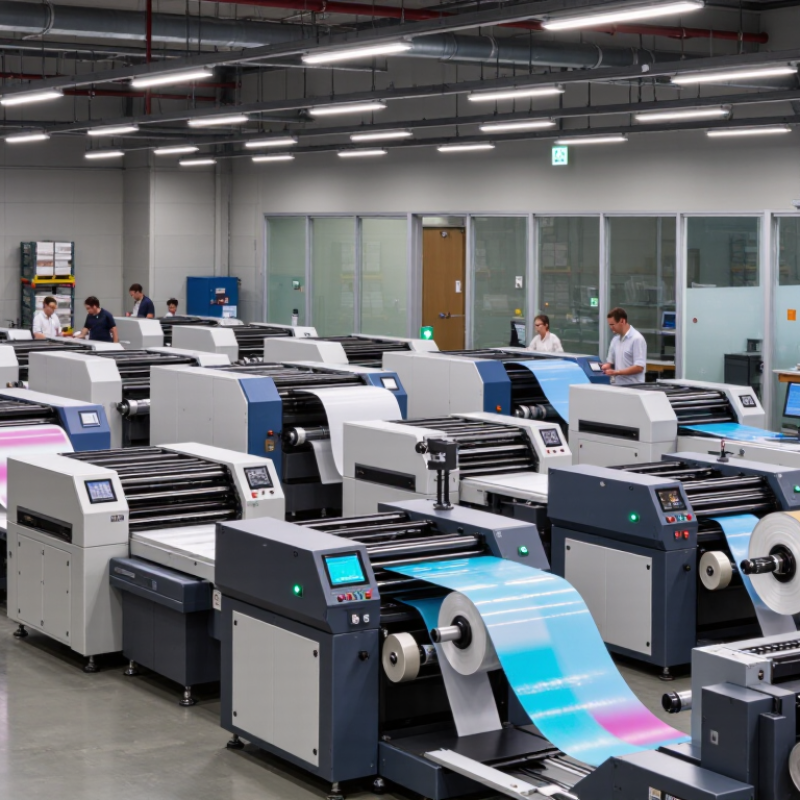
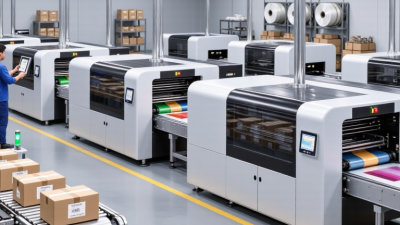
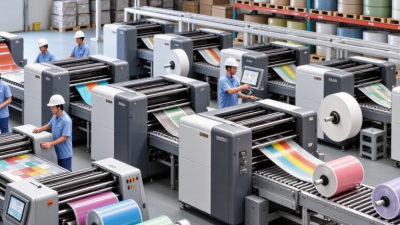
Packaging printing machines serve different production problems. Flexographic presses suit films, paper bags, labels, and corrugated surfaces. They use flexible plates and efficient ink transfer for long runs. Gravure machines deliver sharp images on flexible packaging, especially when repeat orders justify cylinder costs. Digital presses support short runs, variable data, and faster artwork changes. Offset systems remain useful for folding cartons requiring fine detail and smooth color areas. Each type has limits. Substrate thickness, ink behavior, drying speed, and order volume affect the choice.
Tips: Ask for printed samples before buying. Test the exact film, paper, or board used in production. Check registration accuracy at operating speed, not only during a slow demonstration. Measure setup waste, drying time, cleaning effort, and power use. Operators should inspect ventilation, guarding, emergency stops, and maintenance access. A machine may print beautifully but still create expensive downtime.
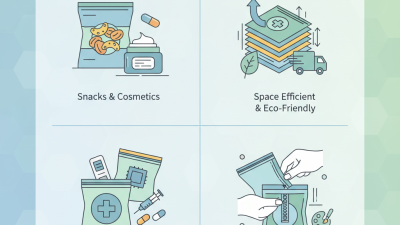
Core applications include food cartons, transport labels, retail bags, pharmaceutical packaging, and protective wraps. The machine should match the package structure and required durability. Water-based inks may suit paper applications, while solvent or UV systems need controlled handling and curing equipment. Confirm compliance documents, training, spare-part availability, and service response before signing a purchase agreement. Global buyers should also review voltage, language support, shipping conditions, and local installation requirements. Field experience suggests specifications rarely tell the whole story. Trial results can change with humidity, operator skill, and material batches. Leave room for uncertainty.
Choosing among the 10 best packaging printing machines requires more than reading speed figures. Printing quality should be tested on the actual materials you will use. Request samples on coated paper, film, or corrugated board. Check color consistency, fine text, barcode clarity, and image edges under normal lighting. A handheld magnifier can reveal missing dots and uneven ink coverage. Registration errors become obvious on small letters and tight color overlaps.
Speed claims also need careful examination. Ask whether the stated rate applies to a full production run or an ideal test sheet. Run the machine for several hours, then inspect the last samples. Does color density remain stable? Does drying slow the line? Does waste increase during changeovers? Real output depends on setup time, cleaning, operator skill, and substrate handling. A fast machine may produce less sellable packaging if it stops frequently.
Production capacity should match current demand and realistic growth, not optimistic forecasts. Review maximum sheet or web width, daily operating hours, automation, and maintenance intervals. Ask for uptime records and service response times. A machine with simple adjustments may outperform a more complex system in a busy plant. A spotless showroom test can mislead. Leave room for human error, because production rarely stays perfect. Pilot testing remains the safest way to judge quality, speed, and capacity before purchase.
10 Best Packaging Printing Machines for Global Buyers?
Choosing among the ten best packaging printing machines requires more than comparing speed or purchase price. Global buyers should match press technology with substrate, run length, color needs, and local service capacity.
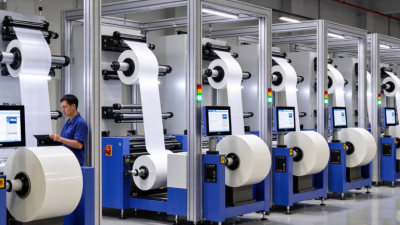
Flexographic machines suit films, paper bags, labels, and folding cartons. Anilox volume, drying layout, and plate quality strongly affect ink coverage. Modern presses can reduce setup waste, but operators still need disciplined color control. Short runs remain difficult. Gravure machines deliver stable, detailed images during long production runs. Their engraved cylinders provide consistent tones, although cylinder preparation can increase lead time and initial costs.
Digital machines support variable graphics, small batches, and rapid artwork changes. They can print without plates, which simplifies sampling and seasonal packaging. However, ink adhesion may vary across coated films, recycled paper, and textured board. Testing is essential. Offset machines remain useful for premium cartons and smooth paper surfaces. They offer sharp text and fine images, but extra lamination or coating steps may be required for demanding packaging conditions.
Hybrid machines combine two or more processes in one line. A buyer might use flexography for solid colors and digital printing for changing codes or images. This can reduce handling and registration errors. In practice, integration is not always simple. Software compatibility, operator training, and maintenance access can decide whether the investment performs well. Ask for production samples, measured waste data, and service response times before choosing.
10 Best Packaging Printing Machines for Global Buyers?
Key Factors for Global Buyers: Materials, Costs, Standards, and Support
Choosing a packaging printing machine requires more than comparing speed and price. Buyers should test paperboard, films, corrugated sheets, and recyclable substrates before ordering. Each material absorbs ink differently. A machine that performs well on cartons may struggle with flexible packaging. During equipment evaluations, I have seen impressive samples fail after humidity changes. Request production samples from your own materials. Measure color consistency, drying time, registration accuracy, and waste.
Total cost includes installation, training, spare parts, energy, ink, and maintenance. A cheaper machine can become expensive when technicians must travel internationally. Ask about remote diagnostics and local service partners. Confirm voltage, language options, safety documentation, and operator training. Export markets may also require recognized electrical and machinery standards. Certification details should come from verifiable documents, not sales promises. Support quality is often overlooked until production stops.
Tips: Build a comparison sheet with measurable data. Record output speed at usable quality, not maximum speed. Check whether common spare parts are available near your facility. Keep samples from testing. They create a useful reference during acceptance inspections. Also, leave room for doubt. Forecasts change, and buying excess capacity can hurt cash flow. A careful pilot run may reveal weaknesses that a polished demonstration hides.
The figures below are typical specifications and market ranges for new equipment in 2025–2026. Actual values depend on configuration, automation level, region, ink system, installation, and supplier quotation.
| Rank | Machine Type | Best For | Common Packaging Materials | Typical Print Width | Typical Production Speed | Typical Setup / Changeover | Indicative New-Machine Cost | Typical Ink or Toner System | Relevant Standards and Buyer Checks | Recommended Support Package |
|---|---|---|---|---|---|---|---|---|---|---|
| 1 | Central-Drum Flexographic Press | High-volume flexible packaging and film printing | PE, PET, BOPP, CPP, laminated films, paper, and aluminum foil with suitable treatment | 600–1,600 mm | 150–600 m/min | 45–120 minutes, depending on color count and sleeve or plate system | US$250,000–1,200,000 | Water-based, solvent-based, or UV flexographic inks | ISO 12100; EN 60204-1; applicable CE or local electrical and machine-safety requirements; solvent-extraction and fire-safety review | Factory installation, operator training, remote diagnostics, spare-parts list, and preventive-maintenance schedule |
| 2 | Inline Flexographic Press | Cartons, paper bags, labels, and folding-carton converting lines | Coated and uncoated paper, paperboard, label stock, and selected films | 250–1,300 mm | 80–300 m/min | 30–90 minutes | US$120,000–700,000 | Water-based, UV, or low-migration flexographic inks | ISO 12647 process-control principles; EN 60204-1; substrate drying, UV shielding, guarding, and food-contact ink documentation where required | Color-management setup, anilox and plate guidance, on-site commissioning, and annual technical inspection |
| 3 | Narrow-Web Flexographic Label Press | Self-adhesive labels, shrink sleeves, and short-to-medium label runs | Paper labels, PP, PE, PET, unsupported films, and pressure-sensitive stocks | 200–430 mm | 60–180 m/min | 15–60 minutes | US$80,000–450,000 | UV, LED-UV, water-based, or low-migration inks | ISO 12647 color-control practices; CE or equivalent safety compliance; UV shielding; adhesive and liner compatibility; food-contact declarations when applicable | Remote service access, anilox selection, plate-mounting training, color profiling, and stocked wear parts |
| 4 | Rotogravure Press | Very large-volume film, foil, and premium flexible-packaging production | PE, PET, BOPP, OPP, CPP, paper, aluminum foil, and laminated webs | 800–1,400 mm | 200–600 m/min | 2–6 hours, including cylinder preparation and web setup | US$600,000–2,500,000 | Solvent-based or water-based gravure inks | ISO 12100; EN 60204-1; solvent-vapor extraction; explosion-protection assessment; fire protection; cylinder engraving and ink-compliance documentation | Process-engineer support, cylinder specifications, ventilation commissioning, operator certification, and critical-spares inventory |
| 5 | Sheetfed Offset Packaging Press | Folding cartons, inserts, paperboard sleeves, and premium packaging graphics | Coated or uncoated paper, folding-carton board, recycled board, and specialty stocks within press limits | 520–1,450 mm sheet width | 10,000–20,000 sheets/hour | 20–90 minutes, excluding coating and die-cutting setup | US$300,000–1,500,000 | Sheetfed offset, low-migration, conventional, or UV-curable inks | ISO 12647-2 process control; ISO 2846 ink color standards; EN 60204-1; powder-management and food-contact documentation where needed | Press calibration, prepress workflow training, blanket and roller recommendations, service response targets, and spare-parts planning |
| 6 | Digital Inkjet Label Press | Variable-data labels, versioned packaging, prototypes, and short runs | Coated papers, synthetic label stock, PP, PE, PET, and selected metallized materials with primer | 200–340 mm | 18–75 m/min, depending on resolution and ink coverage | 5–20 minutes with no conventional plate preparation | US$150,000–800,000 | Water-based pigment, UV, or LED-UV inkjet inks | ISO 12647 color-management practices; ink-substrate adhesion testing; electrical safety; UV and ozone controls where applicable; food-contact suitability review | Workflow integration, color profiling, RIP training, remote monitoring, ink-supply planning, and software-update policy |
| 7 | Digital Toner Packaging Press | Short-run cartons, labels, mock-ups, promotional packs, and rapid SKU changes | Paper, coated paperboard, synthetic sheets, label stocks, and selected textured media | 320–750 mm sheet or web width | 20–70 m/min or 2,000–7,000 sheets/hour | 5–15 minutes | US$100,000–700,000 | Dry toner or liquid electrophotographic toner | ISO 12647 color-control practices; substrate fusing tests; electrical and thermal safety; toner and packaging-contact declarations where relevant | RIP and workflow training, preventive-maintenance contract, consumables forecast, calibration support, and rapid remote assistance |
| 8 | Rotary Screen Printing Press | High-opacity decoration, special effects, labels, tubes, and premium packaging finishes | Paper, film, foil, pressure-sensitive labels, tubes, and selected rigid packaging surfaces | 250–600 mm | 20–100 m/min | 30–120 minutes | US$70,000–400,000 | UV, UV-LED, solvent-based, or water-based screen inks | ISO 12100; EN 60204-1; UV shielding; ink-curing verification; mesh and squeegee specifications; chemical-handling controls | Screen-making guidance, curing validation, operator training, consumables list, and local technician availability |
| 9 | Tampographic Packaging Printer | Small curved or irregular rigid containers, closures, caps, and promotional packaging | PP, PE, PET, ABS, glass, coated metal, and other rigid surfaces after adhesion testing | Print area typically 50–200 mm per image | 600–3,600 impressions/hour, depending on colors and part handling | 15–60 minutes | US$15,000–120,000 | Solvent-based, UV, or two-component pad-printing inks | ISO 12100; EN 60204-1; guarding and pneumatic-safety review; ink adhesion and chemical-resistance testing; ventilation requirements | Pad and cliché selection, fixture design support, ink-mixing training, sample approval, and maintenance kits |
| 10 | Industrial Drop-on-Demand Coding and Marking System | Dates, batch codes, barcodes, QR codes, traceability, and variable information | Corrugated board, cartons, films, plastics, glass, metal, and coated packaging surfaces | Print height typically 1–100 mm per head | Up to 100–300 m/min, depending on code size and resolution | 5–20 minutes | US$8,000–100,000 per line | Solvent-based, water-based, pigment, or UV-curable inks | GS1 barcode verification; ISO/IEC 15415 or ISO/IEC 15416 for barcode quality; IP-rated enclosure review; electrical and chemical-safety assessment | Line-integration engineering, code-verification setup, consumables supply, remote diagnostics, and preventive-maintenance training |
10 Best Packaging Printing Machines for Global Buyers
Selecting the best packaging printing machine depends on materials, order volume, artwork complexity, and production skills. A flexographic machine suits large runs of cartons, labels, and flexible films. It offers strong speed, but setup waste can become expensive for short orders. Digital inkjet equipment supports quick artwork changes and variable designs. It usually fits customized packaging and frequent small batches.
Gravure printing can deliver consistent color across very long production runs. However, cylinder preparation increases initial costs and extends planning time. Offset machines work well for folding cartons with detailed images and smooth paper surfaces. Buyers should compare substrate compatibility, ink curing, registration accuracy, drying space, and operator training. Speed can mislead. Measure waste.
In factory evaluations, I would inspect sample output under normal production conditions, not only a showroom demonstration. Ask for test printing on the exact film, paper, or board used by your business. Check maintenance access, spare-part availability, software support, and energy consumption. A machine with lower purchase cost may create higher expenses through downtime and rejected packs. Safety systems and compliant ink handling also require careful verification. A perfect spreadsheet still misses operator confidence. Leave room for that human factor.