Choosing a Pouch Printing Machine in 2026 requires more than comparing speed, price, and colorful brochures. The right choice depends on your pouch materials, ink system, artwork demands, production volume, and factory conditions. A machine that performs beautifully on PET film may struggle with PE structures or recycled-content substrates. That difference becomes visible on the shop floor.
Packaging consultant David Zwang often emphasizes, “The best press is the one that fits the application, not the one with the longest feature list.” This principle deserves attention. A practical evaluation should include print registration, drying performance, cylinder changes, web tension, energy use, operator training, and after-sales support. Ask suppliers to run your actual film, ink, artwork, and pouch dimensions. Request measurable results, not promises. Check the sample under bright inspection lighting. Look for pinholes, color drift, scuffing, and uneven density.
Speed alone can mislead.
A slower machine with shorter setup times may produce more saleable pouches each shift. Total ownership cost also matters. Include plates, solvents or cleaning materials, power consumption, maintenance, rejected rolls, and technician response time. Regional service availability can protect production when a sensor fails on a Friday evening. No checklist is perfect. I would still leave room for operator experience, because real production rarely follows the brochure. This guide explains how to compare technologies, verify supplier claims, and select a Pouch Printing Machine that supports reliable quality, responsible operation, and long-term business growth.
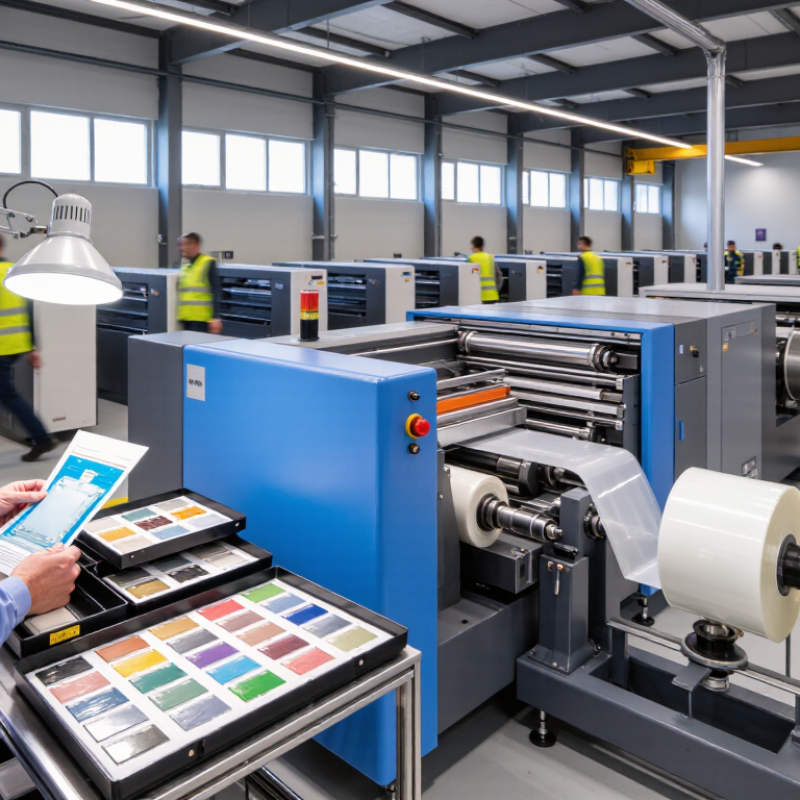
How to Choose a Pouch Printing Machine in 2026?
Understanding Pouch Printing Machine Types and Applications
Choosing a pouch printing machine starts with the material, pouch structure, and expected production volume. Different applications need different printing systems. Flexographic machines suit large orders and repeated designs. They offer efficient production on flexible films. Rotogravure machines provide sharp images and consistent color across long runs. However, cylinder preparation can increase setup time and cost. Digital printing supports short runs, variable artwork, and faster design changes. It can be practical for seasonal packaging or product testing.
The pouch application matters just as much. Snack, coffee, frozen food, personal care, and household products may require different inks, film combinations, and surface finishes. Check whether the machine supports the film thickness and width used in your factory. Inspect drying performance, registration accuracy, waste levels, and operator access. A machine that looks powerful may perform poorly with delicate film. That mistake is easy to overlook.
Tips: Ask for printed samples using your actual film. Measure color consistency from the first pouch to the last. Review cleaning time, maintenance access, and training support. Confirm that inks and substrates meet applicable packaging and environmental requirements. Do not judge only by maximum speed. Real output is often lower after setup, inspection, and material changes. I have found that simple controls can be more valuable than impressive specifications. There is no perfect machine. Your production reality should lead the decision.
How to Choose a Pouch Printing Machine in 2026?
When evaluating a pouch printing machine, inspect print quality under real production conditions. A showroom sample can look excellent, yet hide problems with ink adhesion, registration, or color consistency. Request trial runs using your actual film structure, pouch size, and artwork. Check fine text, solid color areas, barcode clarity, and repeat accuracy. A reliable machine should maintain stable results across long runs, not only during a short demonstration.
Speed matters, but production capacity requires a wider view. Compare rated speed with practical output after setup, cleaning, material changes, and quality checks. A machine running quickly may create more waste if registration drifts at higher speeds. Examine drying performance, tension control, automation, and operator access. These details influence uptime. Calculate expected daily output, then leave room for maintenance and unexpected delays. Perfect estimates rarely survive the factory floor.
Tips: Ask for measured output, not only maximum speed. Record waste percentage during testing. Check whether operators can adjust settings safely and quickly. Evaluate print quality at low, medium, and high speeds. A useful trial should expose weaknesses, too. Also, verify service response, training, spare-part availability, and documentation. These factors support dependable production capacity more than impressive specifications alone.
Evaluating printing quality, speed, and production capacity using representative operating benchmarks for digital, flexographic, and gravure pouch printing systems.
Digital systems typically provide fast job changes and low setup waste, while flexographic and gravure systems deliver higher continuous throughput for long production runs. The capacity values represent printed web area per minute, calculated from representative operating speed and web width. Registration tolerance is shown in millimeters; a lower value indicates tighter print alignment. Actual performance depends on substrate, pouch format, ink system, number of colors, drying configuration, and operator settings.
How to Choose a Pouch Printing Machine in 2026?
Pouch printing starts with the material, not the machine. PE, PP, PET, foil, and paper laminates absorb ink differently. Their surface tension also changes ink adhesion and drying speed. Smithers estimates the global flexible packaging market reached about $301 billion in 2023. It projects growth to roughly $357 billion by 2028. That growth increases pressure for shorter runs and faster changeovers.
Flexographic printing suits long runs and repeatable spot colors. Gravure delivers excellent detail, but cylinder costs can challenge smaller orders. Digital printing reduces setup waste and supports variable artwork. It can be practical for seasonal designs or frequent product changes. For color control, request a press trial using the actual pouch structure. A color that matches on white PET may shift on metallized film. Four-color process printing needs stable substrates and careful profile management. Spot colors offer stronger brand consistency, but they increase ink stations and setup demands. Perfect matching is not always realistic, especially across different materials.
Tips: Ask for measured data, not attractive samples. Check color difference using Delta E values. Review drying speed, registration accuracy, waste percentage, and changeover time. The Flexible Packaging Association reported the U.S. flexible packaging market at approximately $42.9 billion in 2023. That scale does not mean every machine fits every converter. I would also test recycled-content films before purchase. Their surface variation can expose weaknesses. The trial may reveal an inconvenient truth: the fastest press is not always the most economical.
Typical technical ranges for flexible-pouch production. Actual results depend on pouch structure, ink system, artwork, press configuration, drying capacity, and local regulatory requirements.
| Printing Method | Typical Production Speed | Practical Color Configuration | Typical Print Resolution | Common Pouch Materials | Recommended Run Length | Setup Waste and Changeover | Best Fit |
|---|---|---|---|---|---|---|---|
| Rotogravure | 120–400 m/min | Usually 6–10 colors; process and spot colors are supported | Typically 150–300 lpi equivalent, depending on cylinder engraving | PE, PET, BOPP, OPP, CPP, nylon, metallized films, paper laminates, and foil laminates | Long runs, commonly above 100,000 m² per design | High setup cost Engraved cylinders require significant preparation and storage. |
Large-volume packaging with strict color consistency and repeat orders |
| Flexographic | 100–300 m/min | Usually 6–10 colors; process, spot, and white ink are widely used | Typically 120–200 lpi equivalent with modern plates and anilox rolls | PE, PET, BOPP, OPP, CPP, nylon, paper, coated films, and laminated structures | Medium to long runs, commonly above 30,000–50,000 m² per design | Medium setup cost Plates and anilox selection affect preparation time and waste. |
General flexible packaging, repeated designs, and balanced cost and speed |
| Digital Inkjet | 20–75 m/min, depending on width, ink type, and resolution | Typically CMYK plus optional white, orange, violet, or green channels | 600–1,200 dpi is common; effective output depends on screening and substrate | Coated PET, PE, BOPP, paper, synthetic films, and selected pretreated laminates | Short to medium runs, prototypes, variable-data work, and multiple designs | Low setup cost No printing plates; artwork changes can be made with minimal mechanical setup. |
Short runs, seasonal products, regional versions, samples, and customized pouches |
| Digital Electrophotographic | 15–60 m/min, depending on web width and substrate | Usually CMYK; some systems add white, clear, or extended-gamut colors | Typically 600–1,200 dpi | Coated films, paper, PET, and other substrates approved for the toner or liquid-electrophotographic system | Short to medium runs, often from several hundred to tens of thousands of meters | Low setup cost Fast job changes and no conventional plates or cylinders. |
Versioned packaging, quick market launches, and high-quality short-run graphics |
| Surface Printing with Solvent-Based Ink | 100–400 m/min, depending on press type and drying capacity | Commonly 6–10 colors, including opaque white and spot colors | Usually 120–200 lpi equivalent | Primarily paper, PET, BOPP, and other printable webs used in laminated packaging | Medium to long runs | Medium setup cost Requires solvent management, drying, ventilation, and curing control. |
Outer-web printing where high speed and strong adhesion are required |
| Reverse Printing for Laminated Pouches | Commonly 100–400 m/min, based on the selected press technology | Usually 6–10 colors; white ink is often printed as a backing layer | Typically 120–300 lpi equivalent | Printed PET, BOPP, nylon, and other webs laminated to PE, CPP, foil, or sealant films | Medium to long runs | Medium setup cost Requires accurate registration, suitable ink adhesion, and controlled lamination. |
High-protection food, personal-care, detergent, and retort-pouch structures |
Selection guide: Choose rotogravure for very long runs and demanding color repeatability; flexography for versatile medium-to-long production; digital inkjet or electrophotographic printing for short runs, frequent artwork changes, and variable data. For multilayer pouches, confirm ink adhesion, lamination compatibility, heat-seal performance, migration compliance, and the required opacity of white ink before purchasing a machine.
How to Choose a Pouch Printing Machine in 2026?
A capable pouch printing machine should reduce repetitive work without hiding important controls. Look for automatic tension adjustment, web guiding, registration correction, and recipe storage. These features can stabilize color and reduce setup waste. During factory evaluations, watch the changeover process closely. A machine that needs several tools may appear efficient, but consume valuable labor every shift. Maintenance access matters just as much. Operators should reach rollers, drying areas, filters, and ink paths without unsafe stretching. Clear service instructions and available replacement parts support reliable production. I have learned that impressive automation can still fail when sensors are difficult to clean.
Safety must be practical, not decorative. Check guarding, interlocks, emergency stops, heated zones, and ventilation around inks and cleaning materials. Operators should see warning labels and understand every shutdown procedure. Choose controls that record faults and prevent avoidable restart errors. Operating cost includes electricity, compressed air, labor, consumables, setup waste, and unplanned downtime. Ask for measured data from similar production conditions, not only optimistic estimates. A spreadsheet can still lie. Review actual waste after several weeks, then adjust the calculation. Also consider training time, because a cheaper machine may demand more skilled attention.
Tips: Request a live changeover demonstration. Measure waste from startup to stable color. Inspect cleaning points with the machine stopped. Ask how faults are logged and resolved. Do not ignore noise, heat, or awkward operator movement. Small inconveniences become expensive habits.
Choosing a pouch printing machine in 2026 starts with your production reality, not a feature list. Define monthly volume, pouch sizes, materials, ink requirements, and available floor space. A small workshop may need compact equipment with lower output and simpler maintenance. A growing converter may need modular capacity, faster changeovers, and reliable color control. Request printed samples using your actual artwork and film. Brochure numbers rarely show setup waste, cleaning time, or operator learning curves.
Your budget should include more than the purchase price. Calculate installation, ventilation, plates or digital files, inks, spare parts, training, energy, and annual servicing. Compare the cost per pouch at realistic speeds, not the highest advertised speed. Check whether local technicians can respond quickly and whether common parts are stocked nearby. A cheaper machine can become expensive after repeated downtime. I have seen buyers focus on speed, then struggle with frequent format changes. That mistake is easy to repeat, so challenge every assumption.
Tips: Leave financial room for future upgrades. Request a written test report, warranty terms, and maintenance schedule. Ask how long changeovers take with two trained operators. Confirm compatibility with your existing laminating and slitting equipment. If your forecast is uncertain, choose flexibility over maximum speed. It may cost more today. That can be wiser tomorrow.