Top Digital Printed Pouch Suppliers for Global Buyers
Choosing among the top digital printed pouch suppliers requires more than comparing price lists. Global buyers need packaging that protects products, communicates brand value, and arrives on schedule. Digital Printed Pouches can support short runs, seasonal designs, and multiple product versions without traditional plate costs. That flexibility is useful. Yet supplier capabilities vary, and a vivid online portfolio does not prove consistent production quality.
A reliable evaluation starts with practical evidence. Request printed samples and inspect color accuracy, text sharpness, zipper function, seals, and laminate feel under ordinary handling. Ask about material structures, available pouch formats, minimum order quantities, proofing steps, production times, and shipping options. For food, cosmetics, or other regulated markets, request relevant documentation and confirm that materials suit the intended use and destination requirements. Do not assume one certificate covers every product or country. Details matter.
This guide will help buyers compare suppliers by print technology, customization, quality controls, communication, and service for international orders. It will also highlight questions worth asking before approving artwork or placing a large order. A sample can look excellent and still reveal little about repeatability. That is easy to overlook. Supplier claims should be checked against written specifications, samples, and clear order terms. No single supplier fits every business; the best choice depends on product needs, budget, timelines, and the buyer’s own risk tolerance.
Understanding Digital Printed Pouches and Their Global Market
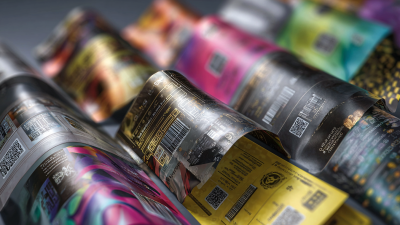
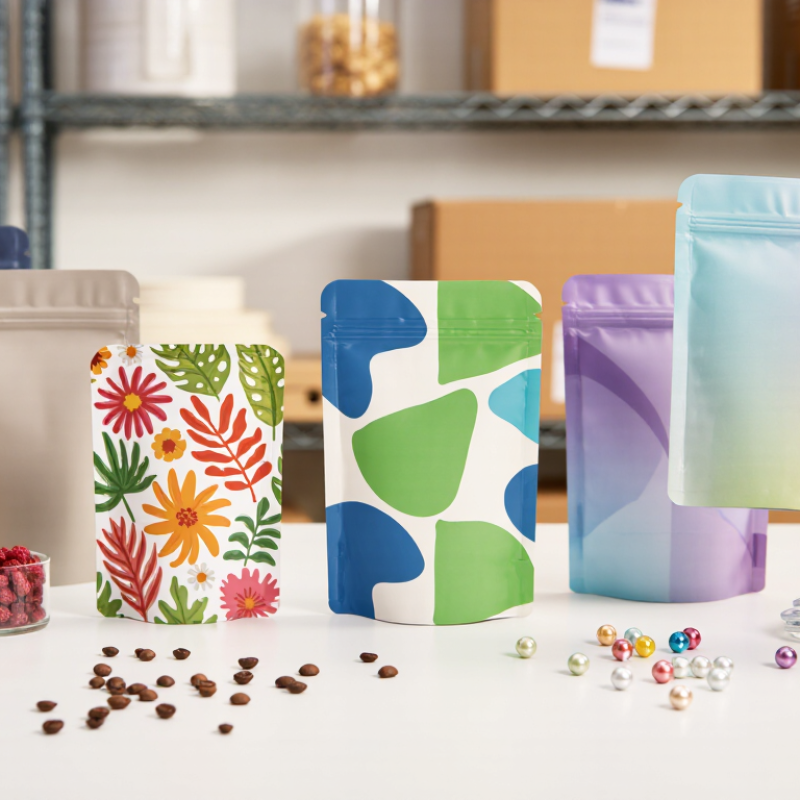
Digital printed pouches use digitally produced graphics on flexible packaging structures, often made from layered films. They suit short runs, seasonal artwork, and multiple product versions because designs can change without new printing plates. A pouch may show sharp color on its front panel, while its zipper and heat-seal areas still need careful testing. The image is only one part of the package.
Smithers’ report, The Future of Digital Print for Packaging to 2028, estimated the wider digital packaging-print market at about $22.5 billion in 2023. It projected growth to $36.9 billion by 2028. These figures cover packaging formats beyond pouches, so they should not be read as pouch-only sales. Grand View Research estimated the global flexible-packaging market at $269.9 billion in 2023, a category that includes many pouch types and other formats. For buyers, these trends suggest expanding options, not guaranteed savings. Small orders can still be expensive. Ask suppliers about laminate compatibility, color consistency, ink rub resistance, and seal performance on the intended filling line. Request samples from a real production run, not only a polished mock-up. Digital printing helps with version changes, but it does not fix weak material choices. Forecasts are useful, though imperfect; actual costs depend on order size, structure, and finishing needs.
Top Digital Printed Pouch Suppliers for Global Buyers — Understanding Digital Printed Pouches and Their Global Market
Global flexible packaging market size, 2023 estimate and 2030 projection (USD billions)
Digital printed pouches are one segment of the broader flexible packaging market, not a separately represented value here. The 2023 estimate is from Grand View Research; the 2030 figure is calculated by applying its reported 4.5% forecast CAGR for 2024–2030 to the 2023 estimate. Market-size estimates can vary by source and scope.
Assessing Supplier Capabilities, Materials, and Printing Quality
A supplier’s capability is more than a fast digital press. Ask for pouch samples printed on the exact film structure you plan to use. Ink can look sharp on a coated sample yet lose density on a rougher surface. Check fine text, gradients, color consistency, and rub resistance under real handling conditions. Small details matter. Request documented color tolerances and repeat-run samples, not just a polished showroom pouch.
Smithers’ report The Future of Digital Print for Packaging to 2026 forecast the market would reach $22.5 billion in 2026. That forecast signals rising investment, but it does not prove every supplier can deliver reliable pouch quality. The Flexible Packaging Association’s 2023 State of the U.S. Flexible Packaging Industry report estimated U.S. flexible packaging sales at $42.9 billion in 2022. In this large, varied sector, material compatibility deserves close scrutiny. Ask suppliers to identify film layers, ink systems, and curing methods, then review seal strength and print adhesion on finished pouches. Test the actual pouch. Not just a swatch. A less comfortable question is whether the supplier can explain a failed test clearly; vague answers are worth noting. Compare lead times, proofing controls, and quality records alongside price.
Comparing Leading Suppliers by Region and Service
Global buyers should compare digital pouch suppliers by regional reach, production flexibility, and support after artwork approval. North American converters often offer short-run production and close coordination with local teams. The Flexible Packaging Association reported U.S. flexible packaging industry sales of $42.9 billion in 2023, showing the scale of this regional supply base. However, industry size alone does not prove a supplier can meet a specific pouch specification or delivery window.
Across Europe, buyers may prioritize material documentation, color consistency, and access to nearby distribution. Asian suppliers can be attractive for larger production programs, but shipping distance, sampling time, and communication hours deserve careful review. Ask each supplier for a printed sample, realistic lead-time ranges, and details on pouch formats, barrier options, and quality checks.
Lead times matter. A fast quotation is not the same as reliable delivery.
Service comparisons should include artwork assistance, proofing, minimum order quantities, and repeat-order controls. Smithers’ research on digital print for packaging tracks expanding adoption, but growth forecasts do not guarantee equal capability across suppliers. Compare suppliers against the same brief: pouch dimensions, order volume, finish, destination, and delivery date. This approach is practical, though not perfect; samples may not reveal how colors vary across a full production run. Requesting production references or batch-control information can help close that gap.
Evaluating Certifications, Minimum Orders, and Lead Times
When comparing digital printed pouch suppliers, check certifications beyond the logo on a sales sheet. Ask for the current certificate, its expiry date, and the facility and materials it covers. Check the dates. A certificate may not apply to every pouch structure or production site. For food-contact or barrier claims, request relevant test reports and confirm they match the proposed material, not a similar sample.
Minimum order quantities can depend on pouch size, film type, print setup, and finishing. Ask whether the quoted MOQ applies to one design or can be shared across sizes. A low MOQ may still bring higher unit costs or setup charges. Get those figures in writing. Lead times should separate artwork approval, sample review, production, and shipping. Ask what starts the clock, and allow time for revisions. Even a careful comparison can miss a bottleneck: one delayed approval can shift the delivery date.
Tips: Request a dated schedule with proofing and dispatch milestones. Compare like-for-like quotes, including freight and setup fees. Ask how delays are communicated, and leave a buffer for unexpected rework. Suppliers may estimate differently, so treat dates as planning guidance, not a guarantee.
Planning Sourcing, Shipping, and Long-Term Supplier Partnerships
Planning a global pouch order starts with clear specifications, not a low unit price. Share the pouch dimensions, material structure, finish, zipper type, and expected order volume with each supplier. Ask for a printed sample and confirm that its colors, seals, and fit match your needs. Small details matter. A zipper that feels stiff on a sample may slow packing later.
Shipping deserves the same attention as production. Confirm lead times for artwork approval, sampling, manufacturing, and dispatch separately. Ask how finished pouches will be packed, and request carton dimensions and gross weight before booking freight. These figures help estimate storage and transport costs. It is easy to assume a quoted delivery date includes every production step; it may not. Put milestones in writing, and allow extra time for port delays or a delayed approval.
A long-term partnership grows through useful feedback and steady communication. Share inspection results, including specific issues such as uneven seals or color variation, rather than relying on general comments. Agree on how changes to artwork or pouch specifications will be reviewed before repeat orders. Keep approved samples and specifications for comparison. Still, a perfect first run is no guarantee of identical future results. Periodic checks can catch drift early, though they add time and cost. The right supplier relationship makes those trade-offs visible before they become expensive surprises.