Why Choose Digital Printed Pouches for Your Business?

Choosing packaging is rarely just a design decision. It affects how products look on a shelf, how clearly information appears, and how efficiently a business manages changing artwork. Digital Printed Pouches offer a practical option when brands need sharp graphics, short production runs, or frequent design updates. A small coffee roaster, for example, might test two label styles without committing to a large batch of identical packaging. That flexibility can reduce leftover stock, though actual savings depend on order size, supplier pricing, and production setup.

The print itself is only part of the decision. Consider pouch material, barrier requirements, filling equipment, sealing performance, and the conditions in which the product will be stored. Ask suppliers for material specifications and printed samples. Check that fine text, color, and any required product information remain legible at the finished size. Test the pouch on your own line before placing a substantial order. Small details matter.

A vivid design cannot fix a poor fit. And no print method suits every business. Digital printing may be less advantageous for very large, stable runs, depending on the supplier and format. It is also worth asking about color consistency between batches and how production defects are handled. Those questions are not glamorous, but they can prevent costly surprises. The best choice balances appearance with reliable performance, clear communication, and realistic production needs. Sometimes the answer takes a sample run—and a second look.
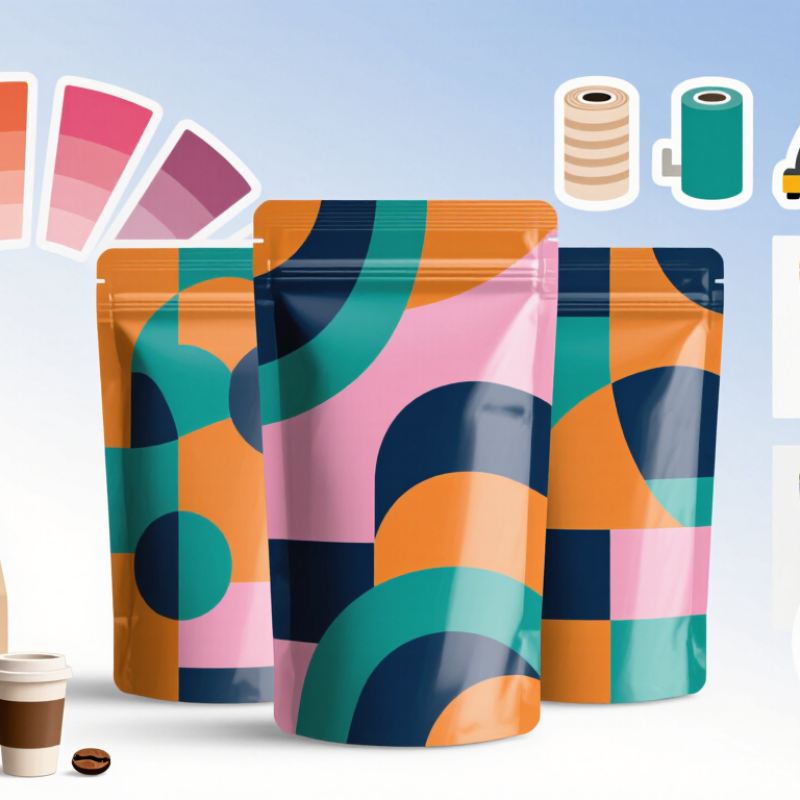
Why Choose Digital Printed Pouches for Your Business?

What Digital Printed Pouches Are and How They Are Made

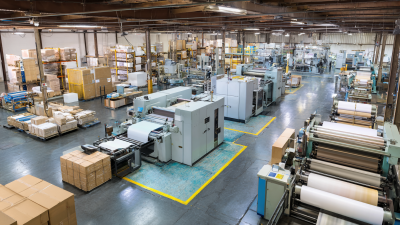
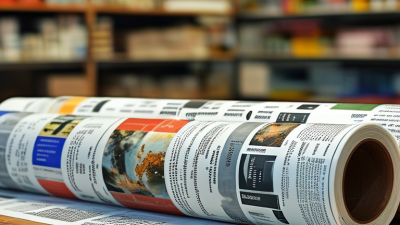
Digital printed pouches are flexible packages decorated with artwork printed directly from a digital file. Unlike traditional printing methods that may require custom plates, digital printing can make short runs and multiple designs more practical. Small runs matter. A food maker, for example, might test two pouch designs without ordering a large quantity of each. The artwork is checked for size, color, and safe spacing around seals and cuts. Then a roll of packaging film feeds through a digital press, where ink forms the design. Exact materials and ink systems vary by supplier and intended use.

Printing is only one step. If the pouch needs a barrier against moisture, oxygen, or light, the printed film may be bonded to another layer with adhesive. The laminate needs time to cure before it is slit into narrower rolls. Those rolls go to pouch-making equipment, which forms the panels and heat-seals the edges. Zippers or tear notches may be added, depending on the design. Samples are checked for print alignment, seal strength, and visible defects. Details still matter. A bright design cannot compensate for a weak seal, and colors on screen may look different on film. It is worth reviewing a physical proof and asking how the package will be tested for the product it holds.

How Digital Printing Supports Flexible Packaging

Digital printing gives flexible packaging teams room to adapt designs without preparing new printing plates for every version. A pouch can move from approved artwork to a short production run quickly. That helps when testing a seasonal flavor, regional label, or revised nutrition panel. Less waiting. Smaller batches can also reduce unused printed film when forecasts change, though savings depend on setup costs and order size.

Smithers’ 2023 study, The Future of Digital Print for Packaging to 2027, projected the global digital packaging print market would reach US$36.9 billion by 2027. This figure covers packaging broadly, not flexible pouches alone. Still, it signals growing investment in shorter runs and customized packaging. Digital workflows can also support variable artwork, such as changing a batch code or design element, without changing a printing plate.

The production details matter. Printers and converters should test ink adhesion, color, curing, and laminate compatibility on the actual film structure. A screen preview is not enough. Metallic effects or fine gradients may also look different on flexible film than on a monitor. Not every job benefits. Long, stable runs may remain more economical with conventional printing, and digital color matching can take several rounds. That part is easy to underestimate.

Business Benefits of Choosing Digital Printed Pouches

Digital printed pouches help businesses bring packaging ideas to market with fewer steps. Artwork can be adjusted digitally, which makes small production runs and seasonal designs more practical. A growing food producer, for example, can test a new flavor using a short run before ordering larger quantities. That can reduce leftover packaging when demand is uncertain. It also gives teams room to update product details without replacing an entire set of printing plates.

The business benefits include quicker design changes, clear graphics, and more flexibility across product varieties. Digital printing can be useful when a company needs several pouch designs in modest quantities. It may also help marketing teams respond to customer feedback faster. Still, digital printing is not magic. Unit costs, available materials, order size, and production speed vary by supplier and project. Colors on a screen may look different on a finished pouch, so a printed proof matters. That extra check can feel slow, but skipping it can be worse.

Tips: Ask for a physical sample and confirm color expectations before production. Check whether the pouch material suits your product and filling process. Compare costs at your expected order volume, not just the sample price. Keep artwork files organized, and review every label detail carefully. A practical test run is often worth the effort.

How to Assess Materials, Formats, and Printing Options

Why Choose Digital Printed Pouches for Your Business?

Choosing a pouch starts with the product, not the artwork. A dry snack may need a different moisture barrier than ground coffee. Check the material structure, seal strength, and storage conditions against the product’s actual needs. Ask for technical specifications, then test filled samples if possible. A pouch that looks right can still split at the seams. Not ideal.

Format affects filling, display, and customer use. Stand-up pouches offer shelf visibility, while flat pouches can suit smaller portions or mailing kits. Consider zipper placement, tear notches, and filling equipment before settling on a shape. Measure the available shelf space, too. A few centimeters can matter.

Digital printing can help with short runs, seasonal artwork, or several product variations. Review print proofs for small text, color contrast, and how images appear across folds and seals. Ask how colors may shift between screen previews and printed film. They can. Compare the quoted run size and setup costs with your forecast, rather than assuming shorter runs are always cheaper. One detail is easy to overlook: keep required product information readable after the pouch is filled and handled. Samples reveal issues that mockups do not.

Why Choose Digital Printed Pouches for Your Business? — How to Assess Materials, Formats, and Printing Options

Assessment Dimension Common Option Practical Characteristics Things to Check Often Considered For
Material structure Polyester / polyethylene (PET/PE) laminate Combines a printable outer layer with a sealable inner layer. The exact performance depends on film grades, thicknesses, and construction. Confirm seal requirements, product compatibility, and the barrier level needed for the product’s shelf life. Many dry foods, snacks, and non-food products where a basic flexible-packaging structure is suitable.
Material structure Metallized film laminate A thin metal coating can improve light, moisture, and oxygen barrier compared with many uncoated films. It is not the same as a solid aluminum-foil layer. Ask for barrier data for the complete pouch structure. Metallized layers can affect sorting and recycling options. Products that need increased protection from light or moisture, subject to product-specific testing.
Material structure Aluminum-foil laminate Foil can provide a strong barrier to light, oxygen, and moisture when incorporated into a suitable laminate. Consider cost, package construction, sealing needs, and end-of-life requirements. A multi-material foil laminate is generally not accepted in many standard household recycling systems. Products requiring high protection from light, oxygen, or moisture.
Material structure Mono-material polyethylene (PE) structure Designed primarily around one polymer family and may be compatible with certain PE-film recycling streams where those streams exist. Recyclability depends on the full package, local collection and sorting systems, and applicable design guidance. Barrier and stiffness may differ from mixed-material laminates. Businesses prioritizing a PE-based package design, provided performance testing confirms it meets product needs.
Pouch format Stand-up pouch A bottom gusset allows the pouch to stand on a shelf. It can be made with features such as a zipper or tear notch. Check filled-package stability, shelf footprint, opening experience, and whether the selected structure can be sealed reliably. Retail products that benefit from upright display and convenient handling.
Pouch format Flat pouch or three-side-seal pouch A simple, flat format with seals around the edges; it typically uses less material than a comparable stand-up pouch. It does not stand upright without support. Confirm fill method, seal width, and the space needed for product and graphics. Single servings, samples, sachets, and products packed in cartons or other secondary packaging.
Pouch format Side-gusset pouch Side gussets expand to hold product and can provide a familiar bag-like shape. Compare filled dimensions, sealing requirements, and shelf presentation with a bottom-gusset format. Products needing expandable capacity or a bag-style package.
Pouch feature Resealable zipper Allows repeated opening and closing; the initial package seal and the consumer zipper serve different functions. Test zipper alignment, opening force, seal integrity, and compatibility with the product and filling process. Products commonly used over multiple occasions.
Pouch feature Spout and fitment Provides a controlled opening for liquid or semi-liquid products. The fitment is sealed into the pouch structure. Validate fitment compatibility, leak resistance, filling equipment, and transport performance. Pourable products such as sauces, beverages, and personal-care liquids.
Printing method Digital printing Artwork is printed from digital files without conventional printing plates or cylinders. It can make short runs and multiple design versions more practical. Check compatible materials, color expectations, finishing options, minimum order quantities, and unit cost at the required volume. Market tests, limited editions, localized artwork, and orders with several design versions.
Printing method Flexographic printing Uses flexible printing plates. Plate preparation adds setup work, while production economics can suit repeat or larger runs. Ask about plate charges, color matching, setup requirements, and the supplier’s run-length pricing. Repeat designs and production runs where setup costs can be spread across more units.
Printing method Rotogravure printing Uses engraved cylinders and is commonly used for long production runs with consistent repeat artwork. Consider cylinder preparation costs, artwork changes, lead time, and the quantity needed to justify setup. High-volume production with stable designs.
Food-contact suitability Printing inks and packaging layers In many printed flexible packages, graphics are placed on the outer surface or between laminate layers rather than directly on the product-contact surface. Request documentation for the intended food-contact use, migration compliance, ink and adhesive suitability, and manufacturing controls in the destination market. Any pouch intended for food or other regulated products.
Selection process Product and package testing Barrier performance, seal strength, drop resistance, and shelf life depend on the complete package and its conditions of use. Test filled samples using the actual product, filling process, storage conditions, and distribution route before committing to production. All new pouch structures, formats, or printing specifications.

Note: Material performance, recycling acceptance, printing suitability, and regulatory requirements vary by package construction, supplier, product, and market. Request technical specifications and validate the finished pouch before production.

Industries and Products That Use Digital Printed Pouches

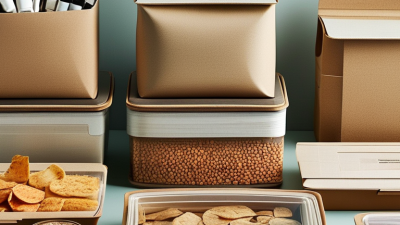
Digital printed pouches suit businesses that need clear product identification without ordering large quantities of identical packaging. Specialty coffee roasters can use separate designs for light and dark roasts, while small snack makers can distinguish flavors with color and readable front labels. Seasonal launches and limited product runs are practical uses. Small runs matter.

Cosmetics and personal-care companies may choose pouches for items such as bath salts, face masks, or refill products. Pet-food makers can use them for treats and sample portions, where a resealable closure helps keep contents fresh after opening. In each case, the pouch structure should match the product: powders, oily formulas, and foods may need different barrier layers and seals.

Digital printing makes artwork changes easier, but it does not guarantee that packaging will protect a product. A coffee pouch, for example, may need protection from moisture and oxygen; the right specification depends on the product and storage conditions. Ask the converter about material options, seal testing, and print durability before approving a run. A vivid design can attract attention, yet small text or crowded instructions may be hard to read. That trade-off deserves a physical sample review, not just a screen check.