Why Choose Flat Pouch Packaging for Your Business Needs?
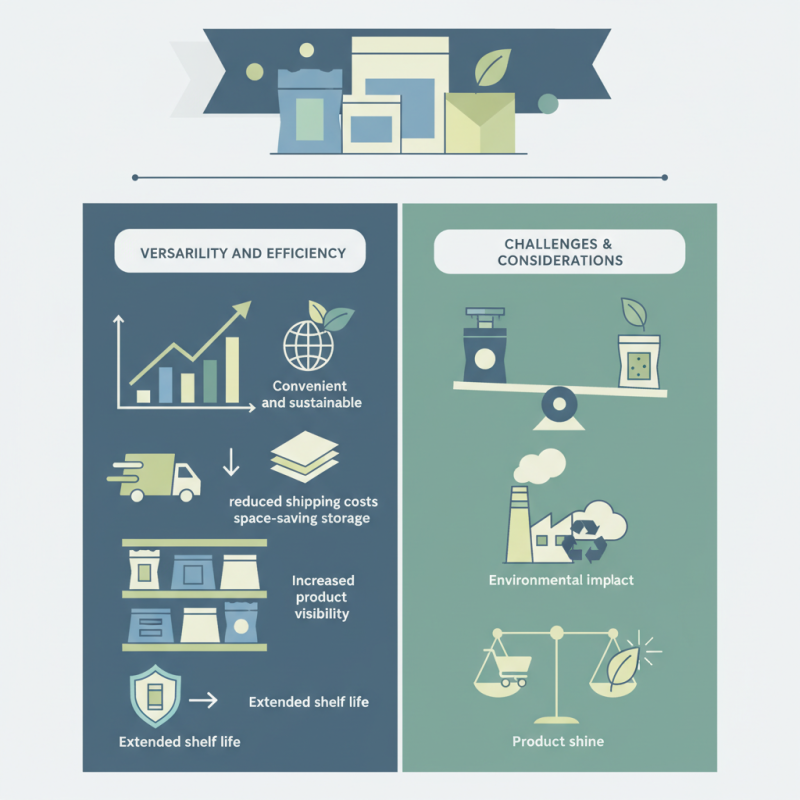
In today's competitive market, selecting the right packaging is crucial for business success. Flat Pouch Packaging stands out due to its versatility and efficiency. According to a report by Smithers Pira, the flexible packaging market is set to reach $400 billion by 2025. This growth can be attributed to increasing consumer demand for convenient and sustainable solutions.
Flat pouches offer significant advantages over traditional packaging. They reduce shipping costs due to their lightweight nature, which lowers overall logistics expenses. Additionally, their design allows for space-saving storage both on shelves and during transportation. Many businesses have reported a 25% increase in product visibility owing to the sleek look of flat pouches. Incorporating high-quality materials ensures extended shelf life, preserving product integrity.
However, it’s essential to reflect on some challenges. Not all companies consider the environmental impact of using certain materials. Striking a balance between durability and sustainability remains a concern. Flat Pouch Packaging can be a fantastic choice, but businesses must navigate these complexities carefully to align with consumer values while ensuring their products shine in the market.
Benefits of Flat Pouch Packaging for Various Industries
Flat pouch packaging has gained traction across various industries. It offers flexible solutions for products ranging from snacks to cosmetics. According to a report by Smithers Pira, the global flexible packaging market is set to reach $300 billion by 2025. This indicates a strong preference for adaptable packaging options.
One key benefit is efficiency. Flat pouches use less material compared to traditional boxes. This reduces production and shipping costs, which is significant for businesses. A study by the Flexible Packaging Association revealed that companies can save up to 25% in packaging costs by switching to pouches. This kind of savings can be crucial for startups and established brands alike.
Moreover, flat pouches enhance shelf appeal. Their design allows for vibrant prints and clear branding. This can attract consumers' eyes in a crowded market. However, the transition may require adjustments in packing lines and materials. Companies might find initial challenges, but the long-term benefits can outweigh these hurdles. Redesigning packaging methods is not always easy, but a commitment to sustainability and branding can lead to positive market responses.
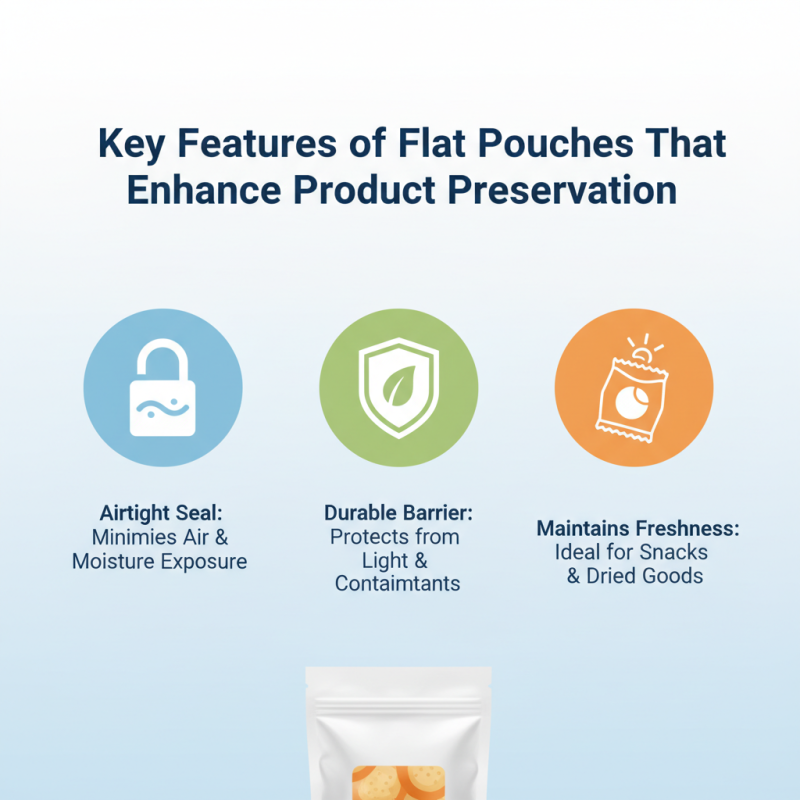
Key Features of Flat Pouches That Enhance Product Preservation
Flat pouch packaging offers several key features that greatly enhance product preservation. The design of flat pouches allows for an airtight seal, minimizing exposure to air and moisture. This is crucial for products like snacks and dried goods, where freshness is paramount. The durable materials used in flat pouches also provide a barrier against light and contaminants, protecting the integrity of the contents.
One standout advantage is the flexibility of these pouches. They can conform to different shapes and sizes. This adaptability means they can be filled with a variety of products, from food items to personal care products. However, companies must ensure that the materials used are suitable for the specific product type. In some cases, the wrong choice of packaging can lead to spoilage. It's vital to stay informed about material properties and their effects on shelf life.
Choosing flat pouches can also be a more sustainable option compared to traditional packaging. Many flat pouches are made from recyclable materials. This is an important consideration for environmentally conscious businesses. Yet, not all pouches are created equal in their eco-friendliness. Companies should evaluate their options carefully to strike a balance between sustainability and product safety.
Cost-Effectiveness of Flat Pouch Packaging Solutions
Flat pouch packaging offers a multitude of cost-effective benefits for businesses looking to optimize their packaging solutions. Industry reports indicate that using pouches can reduce packaging material costs by up to 30%. This is mainly due to their lightweight design, which minimizes transportation expenses. Moreover, the flat nature of pouches allows for efficient stacking and storage, optimizing warehouse space.
Studies have shown that the production of flat pouches uses significantly less plastic compared to rigid containers. For instance, a report from the Flexible Packaging Association highlights that switching to pouches can save up to 60% in plastic usage. This not only cuts costs but also enhances sustainability, an increasingly vital aspect for modern consumers. The efficient use of materials reflects positively on companies, as consumers prefer brands that prioritize environmental responsibility.
However, businesses should also consider the potential drawbacks. While pouches are convenient, they may not be suitable for all types of products. Some goods require stricter protection or longer shelf lives than pouches can provide. Companies need to weigh these factors against the benefits. The ideal solution may involve a balance between cost and product protection, where flat pouches can fit certain needs but leave room for alternative packaging for more sensitive items.
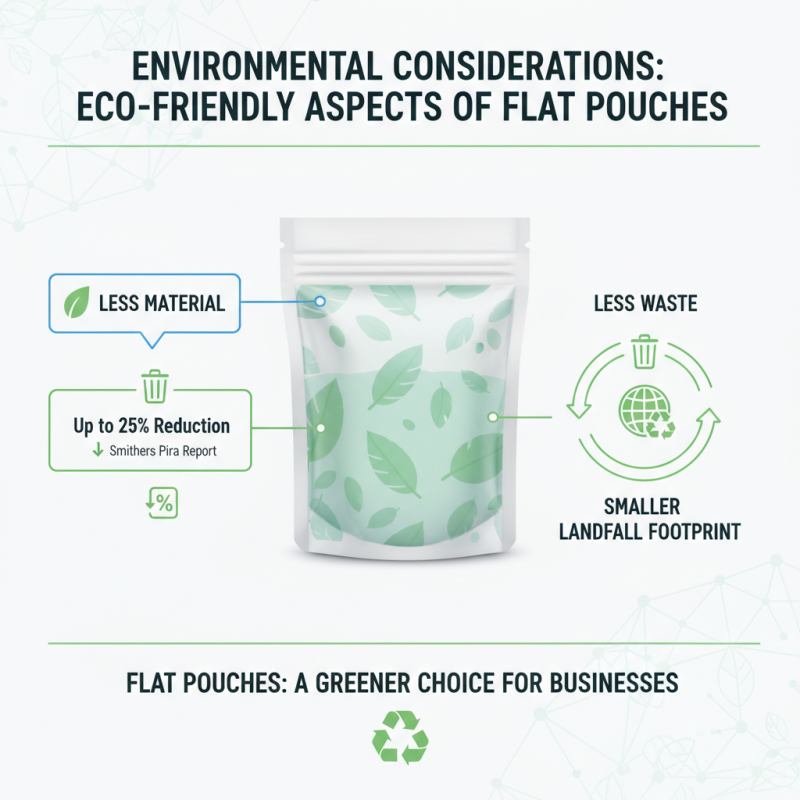
Environmental Considerations: Eco-Friendly Aspects of Flat Pouches
Flat pouches are becoming increasingly popular for their eco-friendly benefits. These packages use less material than traditional containers. According to a report by Smithers Pira, flexible packaging can reduce overall material usage by up to 25%. This reduction leads to less waste in landfills, making flat pouches a greener choice for businesses.
Higher recycling rates are another aspect to consider. The Packaging Association found that flexible pouches have a recycling rate of around 20%, which is higher than some rigid packaging forms. This statistic highlights their potential for sustainable practices. However, not all flat pouches are recyclable. It’s essential to verify the materials used in production.
Tip: Choose pouches made from mono-materials. They are easier to recycle and often more environmentally friendly. Additionally, consider sourcing from suppliers who prioritize sustainability in their operations. Investing in eco-friendly packaging may enhance your brand’s reputation. Remember, transparency about your packaging choices is vital. It builds trust with environmentally conscious consumers.
Customization Options for Branding with Flat Pouch Packaging
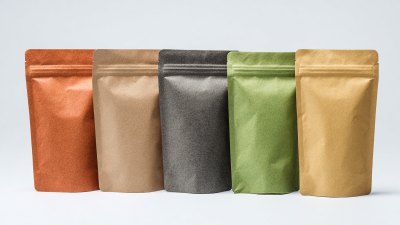
Flat pouch packaging offers diverse customization options that cater to branding needs. The design can reflect your product's identity. Colors, fonts, and images play crucial roles. Custom shapes and sizes can enhance shelf appeal. These elements create an inviting look that attracts customers.
Branding goes beyond visuals. Communicating your brand's message is vital. Do your packaging choices align with your values? Sustainable materials can resonate with eco-conscious consumers. Balancing aesthetics with functionality is also important. Ensuring the pouch protects your product while looking good matters.
However, challenges exist. Customization can sometimes increase production costs. It’s essential to assess your budget. You may have to compromise on certain features. Regular reviews of your packaging strategy can reveal insights. Are the designs effective? Continuous improvement is key to successful branding.