Package Printing is being reshaped by changing buyer expectations, tighter production schedules, and closer attention to material use. In 2026, brands are likely to explore digital print runs, recyclable substrates, clearer on-pack information, and finishes that make a product stand out without adding unnecessary complexity. A matte carton, a small area of raised ink, or a scannable code can change how a package feels and functions. The best choice depends on the product, print process, and customer—not on a trend alone.
This guide looks at the developments influencing packaging decisions, from faster artwork updates to more thoughtful color and finish choices. Digital printing can help with smaller batches and seasonal designs, though cost and equipment access still matter. Recycled paper may support a material goal, but its surface can affect ink coverage and color consistency. Details count. A QR code is useful only when it leads to clear, relevant information. And a premium finish can lose its appeal if it makes recycling harder or pushes the budget too far. Not every trend will suit every production line. Some choices may disappoint, and that is worth acknowledging. By weighing practical constraints alongside visual impact, readers can assess which Package Printing trends deserve a closer look in 2026.
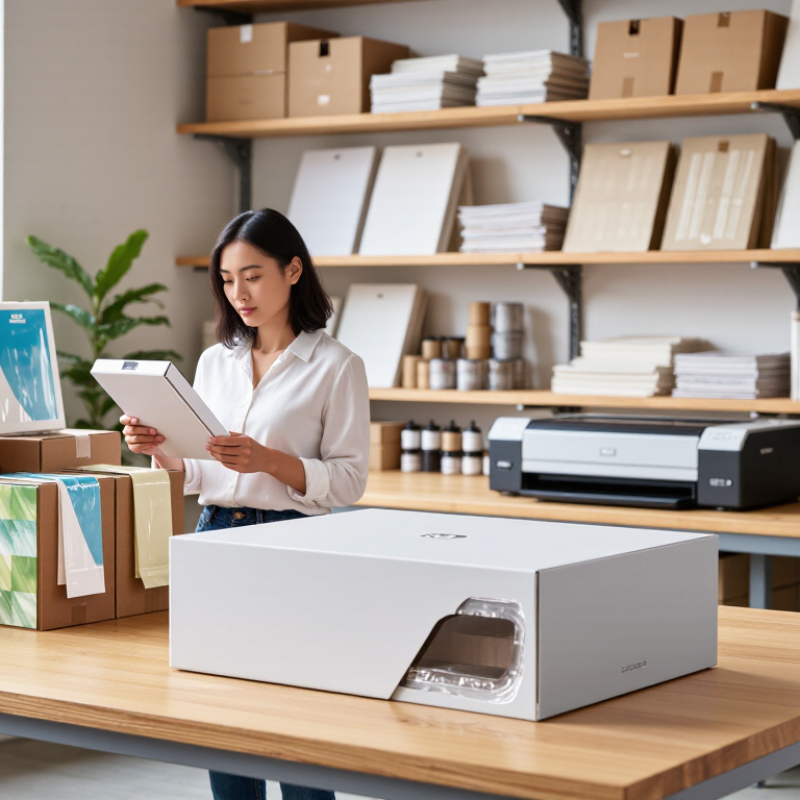
By 2026, package printing is moving toward shorter runs, faster updates, and more targeted designs. Smithers’ 2024 study, The Future of Digital Print for Packaging to 2029, forecasts the market will grow from $22.3 billion in 2024 to $36.9 billion in 2029. Digital presses help brands test seasonal artwork without ordering huge volumes. A small batch can carry a different message. That matters.
Packaging is also becoming more tactile and easier to sort. Expect clearer recycling instructions, restrained finishes, and textured details that remain legible on curved cartons or flexible pouches. Digital workflows can reduce setup waste, but they do not make every package sustainable. Substrate choice, ink compatibility, and local recycling systems still matter. Honestly, print teams may sometimes prioritize speed over checking those details. That deserves a second look.
Tips: Test artwork on the actual package, not only a screen. Check small text under store lighting. Confirm inks and coatings work with the chosen material before committing to a production run.
Digital inkjet is gaining ground in packaging, especially for short runs and frequent artwork changes. It can print variable codes, regional versions, and small batches without making a new plate for every design. That flexibility helps converters reduce obsolete inventory. It also makes late-stage changes less disruptive. Not effortless. Color consistency across substrates still requires careful profiling, stable materials, and routine press checks.
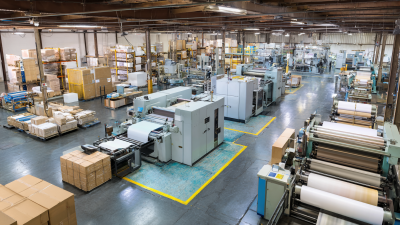
Hybrid presses are another notable development. They combine flexographic stations for solid colors and coatings with digital units for variable content or detailed graphics. This setup can reduce extra handling when jobs need both capabilities. Inline camera inspection is also becoming more common, checking print registration, missing details, and barcode readability as work moves through the press. These systems can catch defects earlier, though they cannot replace skilled operators or sound sampling procedures. Their results depend on setup and lighting. In practice, the best technology is not always the newest one; it is the process a plant can maintain consistently, shift after shift.
Sustainability is changing print decisions before a design reaches the press. The OECD’s Global Plastics Outlook reports that only 9% of plastic waste was ultimately recycled worldwide in 2019. That gap puts pressure on converters to choose materials that fit real collection and recycling systems, not just carry a “recyclable” claim. A paperboard carton can be a practical choice, but coatings, laminates, and heavy ink coverage may complicate recovery. Small details matter.
Ink choices are changing too. Water-based inks can reduce volatile organic compound emissions in some applications, but drying demands and adhesion still need testing. There is no universal fix. The Ellen MacArthur Foundation’s 2023 Global Commitment Progress Report found that participating companies increased recycled content in plastic packaging from 4.8% in 2018 to 11.7% in 2022. That progress is notable, though those figures cover signatories, not the entire market. For printers, the useful test is specific: Does the ink remain legible, and can it be separated during recycling? A pale, low-coverage design may help, but it can also weaken shelf visibility. Better packaging often comes from trials on the actual substrate, followed by honest checks of waste, ink use, and print quality.
In 2026, personalization is moving beyond seasonal artwork toward useful, small-scale relevance: a regional illustration, tailored message, or batch-specific detail on each carton. Variable-data digital printing makes these variations possible without separate printing plates, though short runs still need careful cost checks. McKinsey’s 2021 personalization survey found that 71% of consumers expect personalized interactions, while 76% feel frustrated when they do not receive them. The survey covers customer experiences broadly, not packaging alone. Still, it suggests why a package can feel like a conversation, not just a container.
Smart packaging extends that conversation after purchase. QR codes can link to sourcing details, instructions, or recycling guidance; NFC and freshness indicators offer other options. MarketsandMarkets estimated the global smart packaging market at $26.7 billion in 2024 and forecast $39.7 billion by 2029, representing 8.3% annual growth. Forecasts are not guarantees. A code that loads slowly or leads to generic content can weaken trust. Clear prompts and strong contrast help shoppers find codes under store lighting.
Tips: Start with one measurable goal, such as improving recycling guidance. Test scans on older phones, in dim light, and with wet hands. Keep a non-digital option available. Small details matter.
| Trend | What It Means for Packaging | Verified Data or Milestone | Practical 2026 Focus | Source |
|---|---|---|---|---|
| Personalized variable-data print | Digital printing makes it easier to vary names, messages, artwork, or regional content across short runs without creating a separate printing plate for every version. | A 2021 U.S. consumer survey found that 71% expected personalized interactions and 76% felt frustrated when they did not receive them. These figures cover personalization broadly, not packaging alone. | Use controlled artwork variants and variable data for limited editions, regional campaigns, and relevant customer messages; test readability and production consistency. | 2021 consumer personalization survey |
| QR codes and 2D barcodes | A printed 2D code can connect a physical pack to online product information, instructions, traceability details, or campaign content. | The GS1 Sunrise 2027 initiative sets the industry target for retail point-of-sale systems to be able to read 2D barcodes by the end of 2027. It is an industry transition, not a law. | Treat 2026 as a preparation year: verify code quality, placement, contrast, scanning performance, and the destination content across devices. | GS1 2D barcode transition |
| Connected packaging experiences | Packaging can act as an entry point to digital content through QR codes, NFC tags, or other scannable identifiers. The physical pack remains the primary printed surface. | The GS1 2D barcode transition provides a documented retail milestone for QR-style codes. There is no single authoritative public figure for 2026 adoption across all connected-packaging technologies. | Make digital content useful and accessible, keep essential product information on-pack, and plan for code or tag durability through handling and use. | GS1 2D barcode guidance |
| Packaging information and compliance readiness | Print workflows need to accommodate changing packaging information, labeling rules, and market-specific requirements. Digital links can supplement, but do not automatically replace, required printed information. | EU Packaging and Packaging Waste Regulation (EU) 2025/40 entered into force on 11 February 2025 and generally applies from 12 August 2026, subject to provisions and transition periods in the regulation. | Review packaging specifications, language versions, labeling artwork, and change-control processes for products placed on the EU market. | Regulation (EU) 2025/40 |
| Recyclability-conscious print design | Design choices such as material combinations, coatings, inks, and labels can affect packaging recovery and recycling. Print design increasingly needs to be coordinated with the full pack structure. | The EU regulation sets packaging-waste reduction targets, compared with 2018 per-capita levels, of 5% by 2030, 10% by 2035, and 15% by 2040. | Coordinate artwork and finishing choices with packaging-material specifications and local recycling guidance; avoid assuming that one design is suitable for every market. | Regulation (EU) 2025/40 |
| Shorter, more flexible print runs | Digital printing supports more artwork versions and smaller batches, which can help meet demand for localized content and reduce the need to print large quantities of one design. | This is a production capability rather than a single measured 2026 market statistic. Results depend on substrate, run length, finishing, and the printer’s process. | Compare total job cost, setup time, color consistency, waste, and lead time across digital and conventional processes before selecting a print method. | Production-planning consideration; no universal adoption percentage cited. |
Note: The 2026 outlook describes relevant developments and preparation priorities. Survey findings are identified as general consumer-personalization data, not packaging-specific adoption rates.
As 2026 approaches, packaging print decisions are moving beyond appearance. Recyclable materials, shorter digital print runs, variable designs, and scannable codes are attracting attention. But a trend is not automatically a good fit. A matte coating may look refined on a sample, then show scratches after cartons rub together in transit. Test the real thing.
Businesses should start with the package’s job. Will it protect a product from moisture, survive a long distribution route, or help staff identify batches quickly? Ask printers for samples made with the intended material, ink, and finish. Check color consistency under store lighting, and test folds, seams, and abrasion. Small details matter. A QR code that scans on a desk may fail on curved or glossy packaging.
New print methods can also affect production speed, minimum quantities, and costs. Compare the full process, not just the quoted unit price. For a new design, a limited production run can reveal problems before a large order is placed. Gather feedback from operators and customers; their comments may be messy, but useful. Digital features need a clear purpose, too. Not every package needs a clever code. Consider whether the added data or interaction is worth the space, setup, and upkeep. Keep expectations realistic, and leave room to revise the design after testing.