How to Use Brown Paper for Sustainable Packaging Solutions?
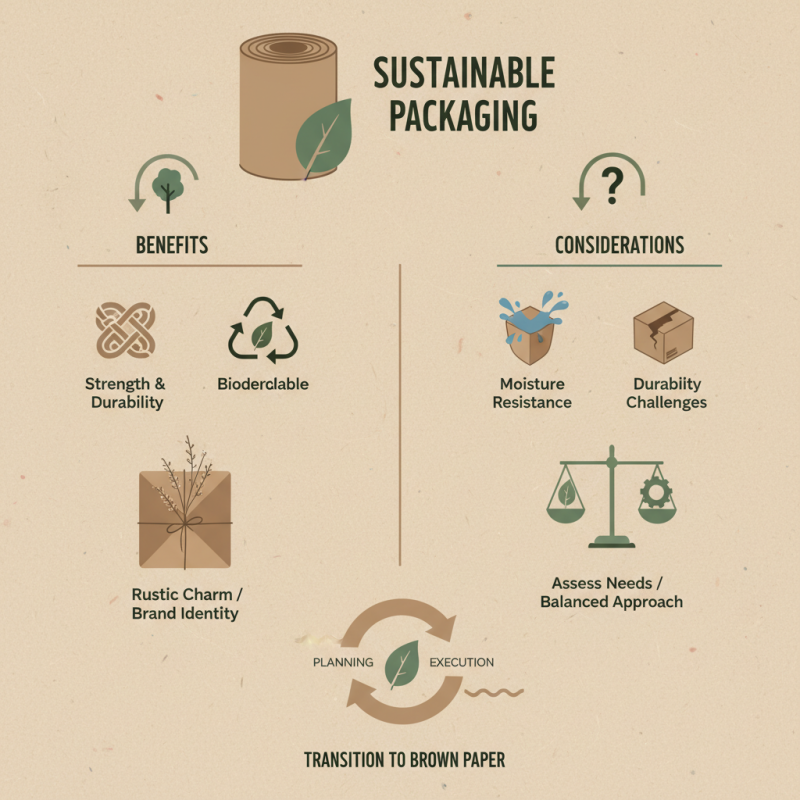
In today's world, sustainability is a pressing concern. Many businesses are seeking eco-friendly packaging solutions. Brown Paper has emerged as a top choice. Its natural fibers offer strength and durability. This biodegradable material is less harmful to the environment than plastic.
Using Brown Paper for packaging allows companies to reduce their carbon footprint. It can easily break down after disposal. Moreover, it brings a rustic charm to products. This aesthetic appeal can enhance brand identity. However, not every application suits this material.
There are challenges with moisture resistance and durability in certain scenarios. Businesses need to assess their specific needs. Transitioning to Brown Paper requires thoughtful planning and execution. It is important to weigh the benefits against potential shortcomings. The true solution lies in a balanced approach to sustainable packaging.
Understanding the Benefits of Brown Paper in Sustainable Packaging
Brown paper has emerged as a prominent choice for sustainable packaging solutions. This material is biodegradable, meaning it can decompose naturally without harming the environment. Choosing brown paper reduces plastic waste significantly. It serves as an eco-friendly alternative that supports sustainability efforts in various industries.
In addition to being biodegradable, brown paper is versatile. It can be easily customized for different packaging needs, such as wrapping or cushioning products. Many businesses find it effective for delivering goods. Furthermore, brown paper often comes from recycled sources, aligning with circular economy principles. The production process of brown paper usually requires less energy, contributing to a lower carbon footprint.
However, there are challenges to consider. Some may find brown paper less durable compared to plastic options. Moisture can weaken it, which may limit its use for certain products. Reflecting on these limitations is important. The balance between sustainability and practicality is crucial when choosing packaging materials. Each choice must consider the specific needs of the product and the overarching goal of reducing environmental impact.
Benefits of Brown Paper in Sustainable Packaging
Types of Brown Paper Suitable for Eco-Friendly Packaging
Brown paper has emerged as a popular choice in sustainable packaging solutions. Its versatility and eco-friendliness make it ideal for many products. Different types of brown paper cater to various packaging needs. Kraft paper, for instance, is durable and can support heavier items without compromising strength. It is often unbleached, retaining natural fibers and offering a rustic look.
Recycled brown paper is another excellent option. It utilizes post-consumer waste, reducing the environmental impact of production. This type of paper is softer and may be better for lighter items or gifts. However, its strength may not match new Kraft paper. Choosing the right type is crucial for effective packaging while remaining eco-conscious. Each choice carries unique benefits and drawbacks that require careful consideration.
Lastly, newsprint paper offers an affordable, lightweight solution. While it is not as sturdy, it is biodegradable and recyclable. It can provide cushioning for fragile items. Using various brown paper types allows for creativity in design and function. Adapting packaging methods to current environmental concerns is essential. Evaluating materials and their characteristics helps in making more responsible choices.
Techniques for Efficiently Using Brown Paper in Packaging
When it comes to sustainable packaging, brown paper stands out as a versatile option. Its natural fibers allow for easy recycling and biodegradation. There are various techniques to enhance its use in packaging that promote both efficiency and sustainability.
Utilizing brown paper rolls is one method that boosts efficiency. You can cut the paper to desired sizes, reducing waste. Consider using crumpled brown paper as cushioning material. It protects items while minimizing packaging volume. This choice also offers a rustic appeal, adding charm to your package.
Another technique involves using brown paper for wrapping. It’s simple yet effective. Customize the package with stamps, twine, or natural fibers for a personal touch. While the color may not be as vibrant as plastic alternatives, the charm of simplicity often resonates with customers. Manufacturers should be mindful of the trade-offs. Brown paper lacks waterproofing, which can be a drawback under certain conditions. Evaluating these factors helps create the most sustainable packaging solutions without compromising quality.
Creative Ways to Upcycle Brown Paper for Packaging Solutions
Brown paper is an excellent resource for sustainable packaging. It is versatile, biodegradable, and can be creatively repurposed. One effective way to upcycle brown paper is to use it as gift wrap. You can customize it with stamps or drawings, adding a personal touch. This reduces waste and transforms a simple item into something special.
Another idea is to create protective padding for shipping. Crumpling brown paper sheets and using them to cushion fragile items is a great solution. It provides security while being eco-friendly. Additionally, brown paper can be turned into envelopes or bags for small items. Just fold the paper, seal it with string or tape, and you have a unique, biodegradable packaging option.
While there are benefits, challenges also exist. Not all designs work well on brown paper, and it can tear easily. Reflecting on these details is important. Embracing imperfections can lead to more creative solutions. Using brown paper is a small step toward sustainable packaging, but it requires thought and innovation.
How to Use Brown Paper for Sustainable Packaging Solutions?
| Use Case | Description | Benefits |
| Gift Wrapping | Use brown paper to beautifully wrap gifts, adding a personal touch with twine or stamps. | Eco-friendly, customizable, and inexpensive. |
| Packaging for Shipping | Utilize brown paper for filling and padding in shipping boxes. | Biodegradable cushioning that protects products. |
| Labels and Tags | Cut brown paper into tags for labeling products or gifts. | Durable, rustic appearance, easy to write on. |
| Craft Projects | Use brown paper for various craft projects like decorations or homemade cards. | Promotes creativity and sustainable crafting. |
| Food Packaging | Wrap sandwiches, snacks, or baked goods in brown paper. | Non-toxic, safe for food use, and easy to recycle. |
Tips for Sourcing and Recycling Brown Paper Responsibly
Sourcing brown paper sustainably begins with understanding its origins. Look for paper products made from recycled materials. Local suppliers can help reduce transportation impacts. When selecting brown paper, consider the thickness and type. Kraft paper is durable for shipping, while lightweight options are ideal for wrapping. Both serve well for eco-friendly practices.
Recycling brown paper is crucial. Always clean and dry it before placing it in recycling bins. Check local guidelines for paper recycling, as they can vary by area. Contamination with food or plastic can spoil the recycling process. If not recyclable, consider reusing brown paper creatively. Use it for crafts, or as packing material. Reflect on how often you use single-use items and make conscious choices.
It’s valuable to engage in community recycling programs. Join initiatives that educate on sustainability. Stay informed about industry best practices. Connecting with others can spark new ideas for minimizing waste. Each small step contributes to a broader impact on sustainability. Adopting these habits may take time, but they are essential for a greener future.