Top Shipping Label Roll Options for 2026 Buyers?
In the evolving world of e-commerce, choosing the right Shipping Label Roll is crucial for businesses. As 2026 approaches, buyers must consider various factors. Quality, durability, and compatibility with printers are essential elements. The right label can streamline operations and enhance customer satisfaction.
By investing in reliable Shipping Label Rolls, companies can improve shipping efficiency. Specialized labels withstand various environmental conditions and maintain clarity. Buyers often overlook the importance of adhesive strength. A strong adhesive ensures that labels remain secure during transit.
Additionally, cost is always a concern. Balancing budget and quality can be challenging. Some cheaper options may not perform well, leading to increased returns or delays. By examining reviews and seeking expert recommendations, buyers can make informed choices. Reflecting on experience is key in navigating the many options available in the market.
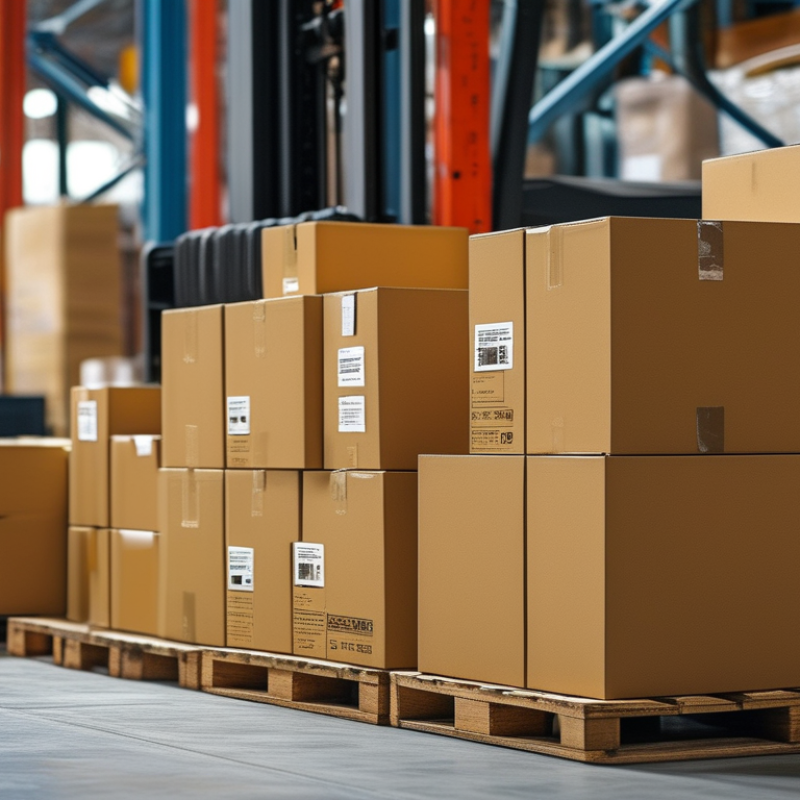
Top Shipping Label Roll Options for 2026 Buyers
When considering shipping label rolls for 2026, buyers should focus on material quality and sustainability. A 2022 industry report indicated that over 70% of businesses prioritize eco-friendly products. This trend shows no signs of slowing. Consumers increasingly demand labels made from recyclable materials. The market is shifting to fulfill these expectations.
Label roll size is also critical. The standard sizes, such as 4"x6", dominate the market. They account for about 65% of all label roll sales. However, the demand for custom sizes is on the rise. Companies need flexibility in their label solutions. This shift indicates a growing need for personalized service from suppliers.
Adhesive quality matters as well. A poorly sticking label can cause issues in shipping. Reports show that ineffective labels lead to a 15% increase in misdelivered packages. This statistic underlines the importance of choosing the right adhesive. Failure to do so can harm customer satisfaction and brand integrity. Buyers must evaluate their options carefully.
Understanding the Growth of the Label Printing Industry by 2026
The label printing industry is on a robust growth trajectory, expected to reach $23 billion by 2026. This expansion reflects the rising demand for efficient shipping solutions and the increasing e-commerce activities. Custom labels are not just about branding; they provide essential information, ensuring packages arrive safely at their destinations. With these shifts, businesses must adapt their shipping label strategies to stay relevant.
Several factors drive this growth. The surge in online shopping has prompted companies to streamline their operations. A significant portion of businesses is automating their label printing processes to minimize errors and enhance speed. By 2025, 70% of companies may invest in advanced label printing technologies. Adopting digital tools not only improves accuracy but also reduces waste.
Consider optimizing your label design for clarity and simplicity. Clear fonts and minimal graphics enhance readability. Sometimes, less is more. Evaluate your label material options. Some materials perform better under various conditions, like moisture or temperature variations. Focus on sustainability to appeal to environmentally conscious consumers. Incorporating recycled materials can enhance your brand’s perception while supporting eco-friendly practices.
Key Features to Consider When Choosing Shipping Label Rolls
When selecting shipping label rolls for 2026, consider essential features that impact functionality. Material quality is crucial. Labels made from durable, weather-resistant materials are ideal for various shipping conditions. Furthermore, ensure the adhesive is strong enough to withstand transportation. This can prevent labels from peeling off during shipment.
Roll size also warrants attention. Standard sizes work well, but unique package dimensions may require custom rolls. Evaluate your shipping volume too. Higher volumes often demand bulk purchasing for cost efficiency. Additionally, printer compatibility is essential. Labels must seamlessly work with your printing hardware for optimal functionality.
Don't overlook clarity and print quality. High-resolution labels help ensure legibility, even under poor conditions. A poorly printed label can lead to shipment delays. Packaging efficiency is another consideration. Streamlining label application can enhance your overall workflow. Reflect on your current processes. Are they efficient, or could they be improved?
Shipping Label Roll Options for 2026 Buyers
Comparative Analysis of Eco-Friendly vs. Traditional Label Materials
As the demand for shipping labels grows, material choices become critical for buyers. Eco-friendly labels have seen increased interest. According to a recent industry report, 75% of consumers prefer products with sustainable packaging. This growing preference drives companies to explore alternative materials that align with eco-conscious values.
Traditional label materials, often made from synthetic plastics, can contribute significantly to environmental harm. A study found that these materials take over 500 years to decompose in landfills. Conversely, eco-friendly options typically utilize recycled paper or biodegradable polymers. Reports indicate that these materials reduce carbon footprints by up to 30%, adding a compelling case for their adoption.
Despite their advantages, eco-friendly labels are not without challenges. Some eco-friendly options may offer lower durability compared to their traditional counterparts. This trade-off can raise concerns for shipping operations, where label integrity is paramount. Furthermore, the cost of production for sustainable materials can be higher. Buyers must weigh these factors when making purchasing decisions. The landscape for shipping labels will continue evolving, revealing both opportunities and uncertainties.
Emerging Technologies in Shipping Labels: RFID and Smart Labels
Emerging technologies are reshaping the landscape of shipping labels. RFID (Radio Frequency Identification) and smart labels are leading this transformation. RFID tags allow for real-time tracking. They reduce human error and improve efficiency in inventory management. This technology can be a game-changer for retailers and logistics companies alike.
Smart labels, which include QR codes and barcodes, enhance customer interaction. They provide vital product information and enable easy access to details through smartphones. For businesses, this means better engagement and transparency with customers. However, the cost and integration of these technologies can be hurdles. Companies need to assess their specific needs before making investments.
When considering your shipping label options, focus on the user experience. Look for solutions that simplify processes and enhance visibility. It's important to prioritize technologies that align with your logistics strategy. Remember, a seamless shipping experience can lead to happier customers. Stay informed about the latest advancements to make the best choices.
Conclusion
The article "Top Shipping Label Roll Options for 2026 Buyers" explores the evolving landscape of the label printing industry, highlighting the expected growth and innovations by 2026. It emphasizes the key features buyers should consider when selecting shipping label rolls, such as material quality, printing efficiency, and compatibility with existing systems. The comparative analysis of eco-friendly versus traditional label materials provides insights into sustainability, a crucial factor for many consumers today.
Emerging technologies, including RFID and smart labels, are also discussed, showcasing their potential to enhance tracking and efficiency in shipping operations. Finally, the article identifies market trends focusing on cost-effectiveness, efficiency, and customization options, ensuring that buyers are well-equipped to make informed decisions about shipping label rolls in the coming years.
