10 Best Food Pouch Packaging Suppliers for Global Buyers

Choosing the right Food Pouch Packaging supplier can shape product safety, shelf appeal, and operating costs. A pouch may look simple, yet its performance depends on films, seals, filling equipment, printing, and transport conditions. Global buyers must examine these details before comparing prices.

Dr. Susan E. M. Selke, a respected packaging materials specialist, has said, “Packaging is a system, not merely a container.” That view matters here. A reliable supplier should understand oxygen barriers, moisture protection, puncture resistance, seal strength, and material compatibility. These factors become real during shipping, not inside a sales brochure.

This guide reviews ten Food Pouch Packaging suppliers for international buyers. It considers manufacturing experience, customization, quality controls, certifications, production capacity, and communication practices. Sample testing remains essential. A pouch that works for roasted coffee may fail with oily sauces or powdered nutrition products. Small differences matter.

Look beyond glossy photographs.

Supplier claims still need verification. Buyers should request technical data sheets, test reports, production samples, and clear explanations of lead times. Sustainability also requires careful judgment. A recyclable structure may need suitable collection systems and may not perform equally in every market. That is easy to overlook.

The selected companies are not identical. Some focus on flexible laminates, while others offer filling, spout, zipper, or private-label services. Their strengths may fit different product categories and order volumes. No ranking can replace practical trials. Still, this comparison offers a grounded starting point for buyers seeking safer, more consistent, and commercially sensible pouch packaging partnerships.
10 Best Food Pouch Packaging Suppliers for Global Buyers

What Food Pouch Packaging Suppliers Provide

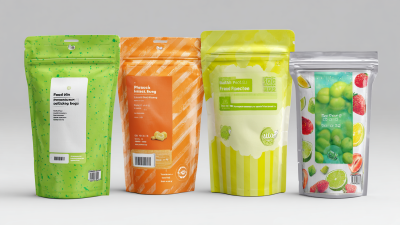
Food pouch packaging suppliers provide more than printed bags. They support material selection, pouch design, filling compatibility, and production planning. Common formats include stand-up pouches, flat sachets, spouted pouches, and retortable packs. Each format serves different food textures, serving sizes, and storage conditions.

Experienced suppliers usually recommend barrier structures against oxygen, moisture, light, or aroma loss. They may provide polyethylene, polypropylene, polyester, aluminum, or paper-based layers. The right structure depends on the product, shelf-life target, sealing temperature, and distribution environment.

Suppliers also offer custom sizes, tear notches, resealable zippers, rounded corners, and easy-open features. Small details matter.

They should provide material specifications, migration reports, seal-strength data, and production samples. Reliable teams explain testing methods instead of making vague performance claims. They can also support artwork checks, cylinder preparation, color control, and packaging prototypes before mass production. Some suppliers coordinate shipment schedules and carton packing to reduce damage during transit.

Ask for evidence.

In my experience, the cheapest pouch can create expensive problems. Weak seals, unclear printing, or poor moisture resistance may appear only after filling. A supplier’s sample may perform well, but factory-scale results can differ. Buyers should test real food, actual filling temperatures, and expected storage conditions. I would also request a clear quotation covering tooling, minimum quantities, inspection steps, and replacement terms. Suppliers provide solutions, but buyers still need to verify every critical detail.

How to Evaluate Suppliers for Global Purchasing

When comparing food pouch packaging suppliers, begin with evidence, not attractive samples. Review material layers, pouch dimensions, seal strength, and barrier performance. Ask how the pouch behaves on your filling line. A perfect sample can fail during faster production.

Request recent test reports from qualified laboratories. Check food-contact compliance for each destination market, because requirements can differ. Inspect production records, batch traceability, and quality-control procedures. Reliable suppliers should explain their inspection frequency and corrective actions clearly. Delayed answers matter.

For global purchasing, compare complete costs rather than unit prices. Include tooling, testing, freight, duties, minimum order quantities, and replacement terms. Confirm lead times during peak seasons. A low quote can become expensive after delays or rejected shipments. Review payment conditions and communication practices as well. Practical sourcing often reveals gaps that brochures hide. My first supplier scorecard was too focused on price, and that was a mistake.

Tips: Order trial quantities. Test real products. Measure seal strength after transport simulation. Keep written specifications. Ask for change notifications before any material or process adjustment. Do not rely on one successful shipment. A second inspection may reveal weak seals, uneven printing, or damaged corners. Supplier evaluation is never perfectly objective, so record evidence and revisit your scoring when new problems appear.

Key Standards for Food-Grade Pouch Packaging

Key Standards for Food-Grade Pouch Packaging

Food-grade pouch packaging must protect products from moisture, oxygen, light, and contamination. Buyers should request current compliance documents for the intended market. These may include food-contact declarations, migration test reports, and manufacturing hygiene records. Material selection matters. A dry snack may need a moisture barrier, while coffee often needs oxygen protection and strong seals. For oily foods, the inner layer must resist grease without affecting taste or odor. Packaging should also meet applicable food-contact rules in each destination country. One certificate is rarely enough for every market.

Tips: Ask for batch traceability, seal-strength results, and storage-condition guidance. Check whether inks and adhesives stay outside the food-contact layer. Review the pouch after heat sealing, not only before filling. Small wrinkles can become leaks during transport.

Experienced buyers inspect more than appearance. They test filled pouches under stacking, vibration, and temperature changes. A reliable supplier should explain barrier performance in measurable terms, such as oxygen transmission and water vapor transmission rates. They should also provide samples made with the same materials used in production. This point is often missed. A beautiful sample may hide weak seals or inconsistent thickness. Clear specifications reduce disputes, though they cannot remove every packaging risk.

Comparing the 10 Best Suppliers by Product and Service

Choosing among the 10 best food pouch packaging suppliers requires more than comparing prices. Product range and service quality can differ sharply.

Supplier 1 focuses on stand-up pouches for dry foods.

Supplier 2 offers high-barrier pouches for moisture-sensitive products.

Supplier 3 supports spouted formats for sauces and beverages.

Supplier 4 provides recyclable mono-material structures, though customization may be limited.

Supplier 5 handles small batches, which suits product testing.

Supplier 6 serves large-volume orders with automated production lines.

Supplier 7 offers printed pouches with strong color control.

Supplier 8 specializes in resealable zipper designs.

Supplier 9 provides retort-compatible packaging for heat-processed foods.

Supplier 10 combines flexible formats with packaging design support.

In my experience, samples often reveal weaknesses that brochures hide.

Service comparison matters just as much.

Ask about material certificates, food-contact testing, production lead times, and quality inspections.

A reliable supplier should explain sealing strength, barrier performance, and storage limits clearly.

Response speed also matters when artwork changes suddenly.

However, fast replies do not always mean accurate technical support. That mistake is easy to make.

Tips:

Request samples from at least three suppliers.

Test filling, sealing, stacking, and opening by hand.

Check whether pouch dimensions remain stable after transport.

Confirm minimum order quantities and repeat-order consistency.

Keep written approval records.

Small details prevent expensive corrections later.

How to Choose the Right Supplier for Your Market

Choosing the right food pouch supplier starts with your market, not a supplier’s sales presentation. A pouch for frozen vegetables needs different barrier protection than one for roasted coffee or liquid sauce. Define product weight, filling temperature, shelf-life target, pouch style, and expected order volume. Small details matter. A weak seal can damage an entire shipment.

Ask suppliers for food-contact declarations, material specifications, factory audit records, and recent quality reports. Reliable suppliers should explain their testing methods clearly. Check oxygen transmission, moisture resistance, seal strength, and print durability. Request production samples made with your actual structure. A digital mock-up is not enough. Inspect the pouch after filling, transport simulation, and storage.

Review the supplier’s practical ability to serve your region. Confirm minimum order quantities, tooling costs, lead times, export documents, and backup production capacity. Their communication should remain precise when problems appear. One overlooked issue is local recycling guidance; pouch structures may not suit every collection system. That deserves honest discussion. I have found that fast replies can still hide poor technical understanding. Use a written specification and approval sample before signing. A cheaper quotation may become expensive after delays, rejected packaging, or repeated artwork changes. Reliable cooperation is built through evidence, not confident promises.

10 Best Food Pouch Packaging Suppliers for Global Buyers: How to Choose the Right Supplier for Your Market

A practical evaluation framework for comparing food pouch packaging suppliers. The weighting reflects common purchasing priorities for food-contact packaging, including product protection, regulatory compliance, production reliability, cost, and sustainability.

Higher percentages indicate greater importance during supplier evaluation. Buyers should adjust the weighting according to product type, destination-market regulations, shelf-life requirements, order volume, and sustainability targets.