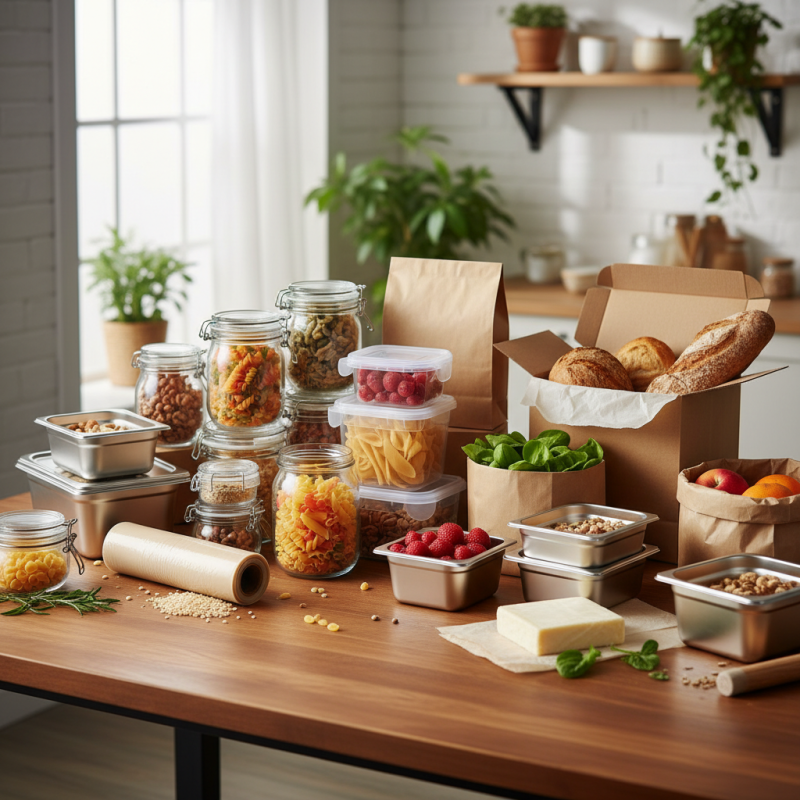
Top 10 Food Grade Packaging Options You Need to Know?
In the food industry, safety and quality are paramount. Food-Grade Packaging plays a critical role in this aspect. It ensures that products remain uncontaminated during storage and transport. Selecting the right packaging material is essential for preserving freshness and extending shelf life.
There are various options available today. Each type of Food-Grade Packaging has its own advantages. For example, plastic, glass, and paper all serve different needs. However, not all materials are equally effective. Some may leach harmful substances into food, a concern for many consumers.
Understanding the options helps in making informed decisions. Choosing the wrong packaging can impact product quality. It's important to consider factors like material properties and potential environmental impact. Awareness of these elements can lead to better choices in food-grade packaging and ultimately support healthier eating practices.
Top 10 Food Grade Packaging Options You Need to Know
When it comes to food grade packaging, choices abound. It is essential to consider the environment. Biodegradable materials are popular. They help reduce waste. Some options include compostable bags and plant-based films. These materials can provide a greener alternative.
Glass containers are another solid choice. They are reusable and recyclable, making them eco-friendly. However, they can be heavy and fragile. Shifting to lightweight options may seem appealing but may compromise safety. Exploring alternatives such as recycled paper products is a must. They are attractive and can be biodegradable too.
Plastic remains prevalent in food packaging. Not all plastics are created equal. Certain types are safe for food and can also be recycled. However, there is room for improvement. Over-reliance on plastic can lead to environmental challenges. Solutions must address sustainability and functionality. Think outside the box to find that balance.
Top 10 Food Grade Packaging Options You Need to Know
| Packaging Type | Material | Uses | Advantages |
| Plastic Containers | Polyethylene Terephthalate (PET) | Beverages, sauces | Lightweight, recyclable |
| Glass Jars | Soda-Lime Glass | Preserves, pickles | Non-reactive, reusable |
| Aluminum Foil | Aluminum | Wraps, trays | Moisture-resistant, lightweight |
| Cardboard Boxes | Corrugated Fiberboard | Dry goods, snacks | Eco-friendly, customizable |
| Biodegradable Bags | PLA (Polylactic Acid) | Fruits, vegetables | Sustainable, compostable |
| Shrink Wrap | Polyethylene | Full product packaging | Tamper-evident, lightweight |
| Vacuum Sealing Bags | Nylon and Polyethylene | Meats, cheeses | Extended shelf life, space-saving |
| Tetra Paks | Paper, Plastic, Aluminum | Juices, soups | Long shelf life, lightweight |
| Cling Film | Polyvinyl Chloride (PVC) | Food storage, sandwiches | Flexible, moisture-proof |
| Composite Cans | Paperboard, plastic | Snacks, powders | Sturdy, easily stackable |
Understanding Food Grade Materials: Safety Standards and Regulations
Understanding food grade materials is imperative for ensuring consumer safety. Various safety standards and regulations govern these materials, such as the FDA’s guidelines. According to a report from the European Food Safety Authority (EFSA), over 80% of food packaging materials are compliant with safety measures. This data emphasizes the importance of adherence to regulations.
Food grade packaging should protect against contamination. Materials like polyethylene, polypropylene, and glass are commonly used, meeting strict safety criteria. However, not all products offer equal protection. In a recent study, it was found that 72% of consumers are unaware of packaging safety standards. This lack of knowledge raises concerns over public health.
Tips: Check for compliance labels on packaging. Educate yourself about the materials used in your food products. Avoid packaging that does not disclose its material composition, as transparency is crucial. Understanding these elements is vital for informed choices.
Biodegradable Packaging: Trends and Environmental Impact
Biodegradable packaging is gaining traction. As consumers demand eco-friendly options, companies are seeking sustainable materials. These materials often break down naturally, reducing landfill waste. They can be made from cornstarch, mushrooms, and paper.
The environmental impact is significant. Traditional plastics persist in the environment, causing harm to wildlife. In contrast, biodegradable packaging decomposes, returning nutrients to the soil. However, the effectiveness of these materials depends on proper disposal methods. Not all facilities recycle them correctly.
Despite the promise, challenges remain. Many biodegradable options still require specific conditions to break down fully. This can create confusion for consumers. Awareness and education are key. People need to understand how to dispose of these materials properly. The journey towards sustainability is ongoing, with lessons to be learned at every step.
Barrier Properties: Ensuring Freshness with Advanced Technologies
Barrier properties are crucial in food packaging. They determine how well materials protect contents from environmental factors. Freshness is key for food products, and packaging plays a vital role in maintaining it. According to a study by the Food Packaging Institute, over 70% of food spoilage is due to inadequate packaging.
Modern technologies enhance barrier properties. Innovations like active and intelligent packaging are transforming the industry. These advancements can slow down chemical changes and microbial growth. For instance, oxygen scavenger films can extend shelf life by reducing oxygen levels inside the package. However, not all materials achieve the same results. Some might fall short in providing adequate protection. The challenge is to balance cost and performance.
Sustainability also competes with barrier technology. Biodegradable options exist, but they may lack traditional materials' protective features. The gap raises questions about long-term effectiveness. According to a report from Smithers Pira, the global food packaging market is projected to reach $1 trillion by 2024. As the demand grows, so does the need for effective barrier solutions. It’s a complex field that requires ongoing research and innovation.
Innovative Edible Packaging: A Sustainable Future for Food Industry
Innovative edible packaging is gaining attention in the food industry. Imagine a world where you can eat your packaging instead of throwing it away. This idea sounds appealing. Edible materials could reduce waste significantly. It’s a step toward sustainability.
Many edible packaging options exist today. They can be made from seaweed, rice, or even milk proteins. This diversity allows for various applications. Some formats resemble traditional wraps, while others look like thin films. However, challenges remain. How long can these materials preserve food? Do they maintain flavor and freshness? These questions need answers. There is potential, but caution is required.
The shift to edible packaging may not happen overnight. Consumer acceptance is crucial. People are used to conventional wrappers. There may be hesitance to try something new. Education will play a significant role. Convincing consumers of the benefits is essential. The food industry has a long road ahead. But with innovation and awareness, a sustainable future could be possible.
Conclusion
Food-Grade Packaging is essential in ensuring the safety and quality of food products. This article outlines the top 10 options available, emphasizing the importance of understanding safety standards and regulations that govern food-grade materials. It highlights the shift towards biodegradable packaging as a response to environmental concerns, discussing its trends and impacts. The article also delves into advanced technologies that enhance barrier properties, thereby maintaining product freshness.
Moreover, the rise of innovative edible packaging presents a sustainable future for the food industry, addressing both ecological and consumer demands. Finally, a detailed cost analysis of food-grade packaging options is provided, highlighting the need to balance quality with budget considerations. This comprehensive overview serves as a valuable resource for those seeking to make informed decisions in food packaging solutions.