
Drawstring Bags are defined by a simple closure, but their jobs vary widely. A gym bag carries damp kit; a shoe pouch protects clean clothes; a produce bag holds apples at the market. Promotional, school, travel, and laundry styles serve different needs, too. Details matter: cord thickness, fabric weight, seams, and whether the bag is washable.
Market reports offer context, though not a complete answer. Grand View Research estimated the global reusable bags market at USD 10.4 billion in 2023 and projected continued growth through 2030. That figure covers reusable bags broadly, not drawstring bags alone. A limitation matters here: broad market data cannot tell us which drawstring style shoppers prefer. It is easy to overread the numbers.
Material choice also deserves attention. Ellen MacArthur, founder of the Ellen MacArthur Foundation, is associated with its circular-design framework, which states: “A circular economy is based on three principles, driven by design: eliminate waste and pollution, circulate products and materials (at their highest value), and regenerate nature.” Applied to bags, that framework encourages practical questions: Will the fabric last? Can the bag be cleaned? Will its intended user reuse it? No single material answers every question. A lightweight cotton bag may suit everyday errands, while mesh may help users see stored items. Neither choice is automatically best.
This guide compares the top types of Drawstring Bags by purpose, materials, and useful design details. Expect practical differences, not a universal winner.
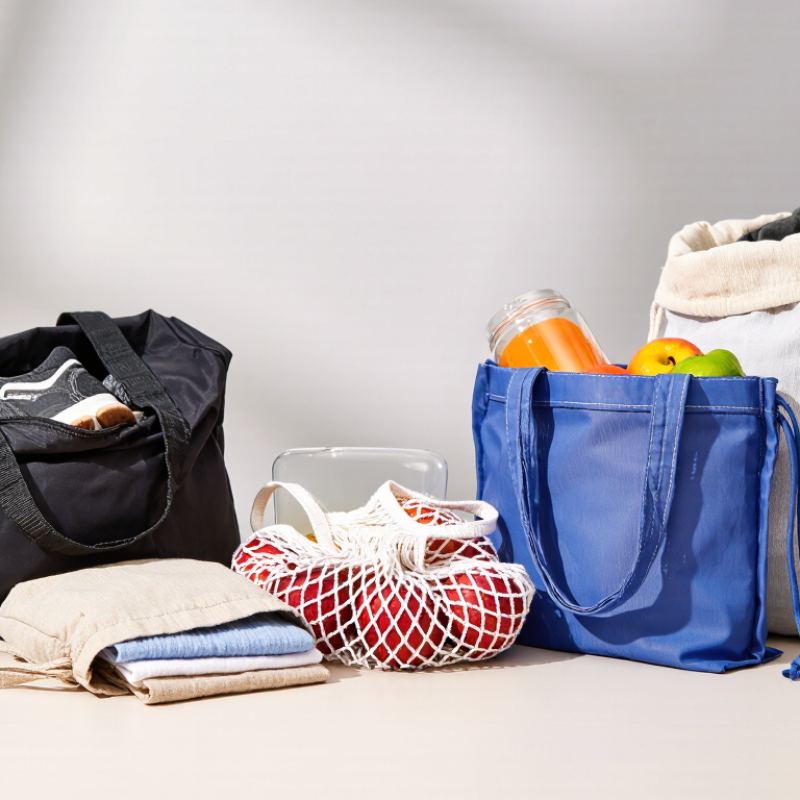
How Drawstring Bags Are Classified by Fabric, Construction, and Use
Drawstring bags are easier to compare when grouped by fabric, construction, and intended use. Cotton and canvas feel soft and suit everyday carrying, while polyester and nylon are often chosen for their lighter weight and quicker drying. Mesh fabrics let air pass through, which can help with damp towels or sports gear.
Lightweight, but not delicate. A fabric’s thickness and weave matter as much as its name; a thin canvas bag may hold less than a tightly woven polyester one.
Construction changes how a bag performs. A simple, single-compartment sack works for shoes, spare clothes, or small purchases. Reinforced corners and sturdy stitching can help when the contents are heavier. Some designs add a front pocket, a padded base, or separate compartments. These features are useful, but extra seams and parts can also wear out.
For school or travel, consider capacity, closure comfort, and whether the cords dig into your shoulders. The best type depends on what you carry, not just how the bag looks.
Tips: Check the seam stitching and cord attachment before buying. Match the fabric to the contents: mesh for airflow, water-resistant fabric for light splashes, and thicker woven material for frequent use. If possible, test the cord tension with a typical load. I’d also check the care instructions; a bag that is hard to clean may not stay useful for long.
Cotton drawstring bags suit everyday storage because they are lightweight, fold flat, and open wide enough for shoes, toys, or spare clothes. Their woven fabric feels familiar and can be printed or labeled. A cotton cord closes the top without a zipper, though it may loosen when the bag is overfilled. That matters.
Textile Exchange’s Materials Market Report 2024 estimates that global fiber production reached 124 million tonnes in 2023, with cotton representing roughly one-fifth of the total. This scale makes cotton a widely available option, but it does not automatically make every cotton bag environmentally preferable. Fiber origin, fabric weight, dyeing, stitching quality, and how often the bag is reused all affect its overall impact. A thin bag may tear at the seams; a heavier one takes more space and material.
Tips: Check the seam where the cord runs through the channel, especially before carrying books or a water bottle. Choose a size that fits its usual contents, and wash according to the care label to limit shrinkage. Let the bag dry fully before storing it. Cotton is practical, but it is not maintenance-free.
| Bag Type | Typical Material | Common Uses | Notable Characteristics | Care and Practical Notes |
|---|---|---|---|---|
| Cotton drawstring bag | Woven cotton fabric | Everyday storage, gift packaging, travel organizers, and small personal items | Soft, breathable, and made from a plant-based fiber. Fabric weight and durability vary by weave and construction. | Check the care label; washing can cause shrinkage or color changes. Cotton cultivation can require significant water and other agricultural inputs. |
| Cotton canvas drawstring bag | Heavier woven cotton canvas | Shoes, books, craft supplies, and items that benefit from a sturdier fabric | Usually thicker and more structured than lightweight cotton, though capacity depends on fabric weight, seams, and cord construction. | Spot-clean or follow the care instructions. A heavier fabric can take longer to dry than a lightweight weave. |
| Polyester drawstring bag | Woven or knitted polyester | Sports gear, school items, events, and general-purpose carrying | Typically lightweight and quick-drying. Often chosen when moisture resistance and easy maintenance are priorities. | Follow washing instructions and avoid high heat unless the label allows it. Polyester is a synthetic fiber made from petroleum-based feedstocks. |
| Nylon drawstring bag | Woven nylon fabric | Travel, outdoor activities, and lightweight equipment storage | Often valued for its strength relative to weight. Performance varies with fabric thickness, weave, coatings, and seam quality. | Clean according to the care label. Some nylon fabrics have coatings that may be affected by heat or harsh cleaning products. |
| Mesh drawstring bag | Open-weave mesh, commonly polyester or nylon | Laundry, sports equipment, toys, and items that need airflow | Open construction allows ventilation and makes contents easier to see, but offers less protection from dust and fine debris. | Check for snags or wear before use. Small objects may slip through openings, depending on the mesh size. |
| Jute drawstring bag | Jute plant fiber, sometimes blended with other fibers | Decorative packaging, dry goods, and rustic-style storage | Has a coarse, textured appearance and a natural-fiber feel. It is generally less soft than cotton and may not suit delicate contents. | Keep dry and clean gently; jute can be sensitive to prolonged moisture. Check the product details for lining or blended materials. |
| Nonwoven polypropylene drawstring bag | Bonded polypropylene fibers | Promotional giveaways, lightweight shopping, and temporary storage | Lightweight and often economical. Its structure and durability differ from woven fabrics and depend on material thickness and stitching. | Usually best for light-duty use. Reuse where practical and check local recycling guidance, as acceptance varies by location and collection program. |
Polyester drawstring bags are common for a practical reason: the fiber is lightweight, dries quickly, and can handle regular use. Textile Exchange reported that polyester made up 57% of global fiber production in 2023. That figure describes fiber output, not the share of drawstring bags made from polyester. The distinction matters.
In everyday use, a woven polyester bag can carry gym clothes, a towel, or a pair of shoes without adding much weight. Its thin cords pull closed quickly, though they may dig into the shoulders when the bag is heavily loaded. Stitching and fabric density matter, too. A low-cost bag can feel flimsy at the seams. Not every polyester bag lasts.
Polyester drawstring bags also come in recycled versions, but the label alone does not reveal the full environmental impact. Buyers can check whether material claims are independently verified and ask how the bag is intended to be used. A bag carried daily has different needs from one used for a single event. Polyester’s large share of fiber production gives useful context, but it should not be mistaken for proof that every polyester option is durable or responsibly made.
Mesh drawstring bags are useful when airflow matters more than privacy or full protection. Their open weave lets damp sportswear breathe between practice and laundry day. That can help prevent the stuffy smell that develops when sweaty clothes sit in a closed bag. A mesh pouch also keeps socks, swimwear, or training accessories together in a larger gym tote. At home, a washable mesh bag can protect small garments in the washing machine. Check care labels and secure the drawcord before washing. Not magic. Fine mesh can still snag, and an open bag will not contain leaks.
For produce, breathable mesh makes it easier to carry apples, onions, or citrus without trapping as much moisture as a sealed plastic bag. Choose a bag with sturdy seams and material intended for food contact, then wash and dry it fully between uses. I would avoid storing cut or very wet produce in it; airflow is helpful, but it does not replace refrigeration or careful food handling. Also check the bag’s weight if groceries are priced by weight. That small detail is easy to miss. Mesh bags are versatile, though not ideal for every item: tiny objects may slip through, and delicate greens may need a more protective container.
About this chart: Scores are a qualitative comparison, not laboratory measurements. Open mesh allows air to circulate, making these bags useful for carrying damp sports gear, separating laundry, and holding produce that benefits from airflow.
Nylon drawstring bags suit daily use when low weight and moisture resistance matter. A closely woven nylon pouch can hold gym clothes, travel essentials, or a pair of damp shoes. Check the seams and cord channels, not just the fabric. Thin material may tear where the straps pull hardest. That detail is easy to miss.
Jute bags feel sturdier and more textured. Their firm fibers work well for dry groceries, garden supplies, or small gifts. They can carry weight, but rough handling and repeated moisture may shorten their useful life. I would not choose untreated jute for wet swimwear. It can take longer to dry and may become musty.
Specialty options solve narrower problems. Mesh bags let air circulate around sports gear or produce, while insulated versions help keep snacks cool for short trips. Recycled-fiber bags can reduce reliance on new material, though their strength varies by weave and stitching. Look closely at the intended load. A bag made for lightweight giveaways may not hold books comfortably, even if it looks substantial. The right choice depends on what goes inside, how often it travels, and whether easy cleaning matters.
