
Top 10 Types of Canteen Bottles for Global Buyers

Choosing a Canteen Bottle is not simply a matter of appearance. Global buyers must weigh material, capacity, insulation, durability, and intended use. A bottle for a school lunch program faces different demands from one used on a hiking trail or at a workplace. Small details matter. A lid that leaks in a packed bag can quickly undermine an otherwise good product.

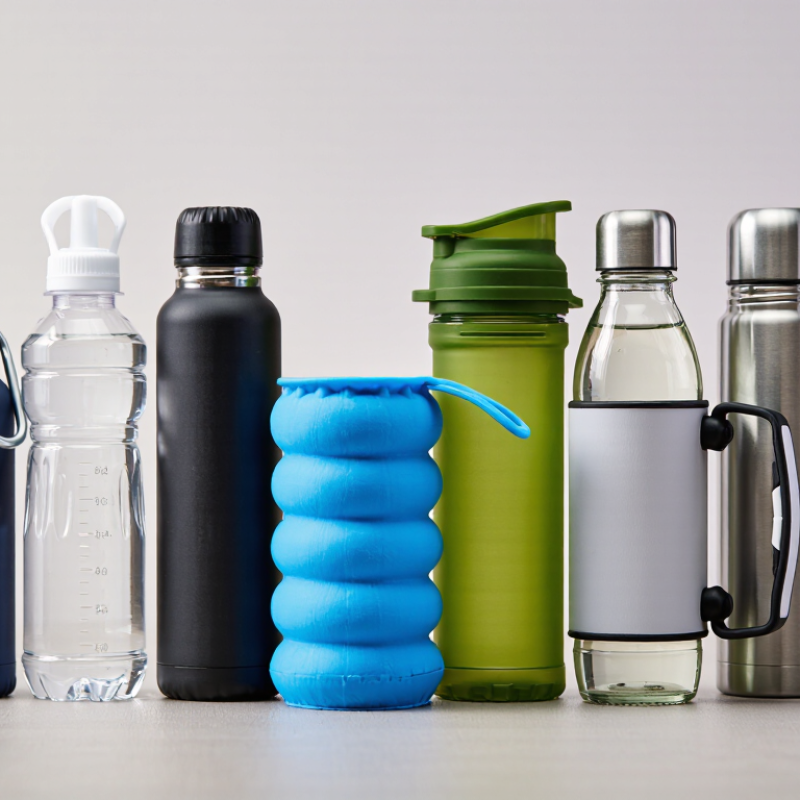
This guide introduces ten common types, including stainless steel, aluminum, plastic, insulated, collapsible, and wide-mouth bottles. Each offers practical benefits, but none is ideal for every buyer. Stainless steel can provide a sturdy feel, while lightweight plastic may suit large-scale distribution where weight and cost are important. Insulated designs help maintain drink temperature, though they can add bulk. That trade-off is easy to overlook.

For international sourcing, compare specifications carefully rather than relying on product names alone. Check stated capacity, closure design, surface finish, cleaning instructions, and available documentation. Ask suppliers how materials and performance claims are verified. Samples can reveal issues that a catalog photo cannot, such as a slippery coating or an awkward drinking opening. Even then, one sample may not represent every production batch.

The ten types below offer a useful starting point for comparing options across markets and use cases. Local preferences differ. So do budgets, distribution conditions, and expectations for daily care. Some choices will remain imperfect; the goal is to identify the most suitable balance for your buyers, not to assume one bottle works everywhere.
Top 10 Types of Canteen Bottles for Global Buyers

What Canteen Bottles Are and How They Are Classified

A canteen bottle is a reusable container designed to carry drinking water or other everyday beverages. Its familiar shape is often rounded or slightly flattened, making it easier to pack beside clothing or gear. Buyers may see the term used broadly, so it helps to check the bottle’s actual design rather than relying on its name alone.

Canteen bottles can be classified by material, construction, and opening style. Common materials include stainless steel, aluminum, and plastics intended for food contact; each differs in weight, durability, and care needs. Single-wall bottles are generally lighter, while insulated, double-wall models help maintain drink temperature. The category is not perfectly tidy. A wide-mouth bottle may also be insulated, so these classifications can overlap. Check capacity, lid fit, surface finish, and cleaning access against the intended use. A narrow opening, for example, may make adding ice less convenient.

Tips: Ask suppliers for clear specifications and sample bottles. Test the cap for leaks, inspect seams and interior surfaces, and confirm how the bottle should be cleaned. Small details matter: a lid that is awkward with wet hands can frustrate daily users. And a sample may not represent every production run.

The Top 10 Types of Canteen Bottles by Design and Use

Canteen bottles are designed around how people carry, fill, and clean them. A single-wall stainless bottle is light and practical for room-temperature drinks. A vacuum-insulated model keeps drinks hot or cold longer, but its heavier body may feel bulky in a small bag. Wide-mouth bottles accept ice cubes and are easier to scrub. Narrow-mouth designs are comfortable for sipping while walking. Fit matters.

Lid design changes everyday use. A screw-cap bottle is simple and dependable, though opening it while moving can be awkward. A flip-top offers quick access, but its hinge needs regular cleaning. Straw-lid bottles suit frequent sipping; users should check whether the straw can be removed for washing. Sports-squeeze bottles are easy to operate with one hand, yet soft bodies may dent or wear sooner. Small details count.

For travel, collapsible bottles save space when empty, but can feel less stable when filled. Filtered bottles are useful where water quality varies, provided the filter matches the intended source and is replaced as directed. Glass-lined bottles help preserve a clean taste, though they require careful handling. For buyers comparing samples, inspect the mouth opening, seal, handle, and base stability. A lid that looks convenient in a catalog may leak when tipped, so test filled samples before choosing.

Common Materials, Closures, and Insulation Options

Canteen bottles balance material, closure, and insulation choices. Stainless steel resists dents and suits repeated daily use, but adds weight. Single-wall steel keeps bottles lighter; double-wall vacuum construction helps maintain drink temperature. Food-contact plastics can offer lower weight and clear walls, while aluminum bodies often need an interior coating. That detail is easy to overlook. Grand View Research estimated the global reusable water bottle market at about US$9.1 billion in 2023, reflecting broad demand rather than one material’s share.

Closures affect daily usability as much as the bottle body. Screw caps are simple to clean, while flip-top lids allow quick sipping but have extra crevices. Silicone gaskets can improve sealing, yet buyers should check whether they are removable for washing. For bulk orders, inspect thread fit and leak performance across production samples. Small differences matter. Insulation also adds cost and bulk, so it may not suit every canteen program. Grand View Research’s 2024 market report offers useful context, but it does not replace product testing.

Tips: Match the lid to the setting: wide-mouth openings work well for ice and cleaning; narrow spouts help control pours. Ask suppliers for material specifications, care instructions, and test results. Compare filled-bottle weight, not just empty weight. A sample may perform well, but real users can still find the cap awkward.

How Bottle Features Affect Durability, Safety, and Maintenance

Top 10 Types of Canteen Bottles for Global Buyers

A bottle’s material affects how it handles daily knocks, washing, and repeated use. Stainless steel resists dents better than thin plastic, though a damaged seam or loose cap can still cause leaks. Aluminum is light, but its inner lining needs careful inspection for scratches. Glass keeps flavors neutral, yet it can break when dropped on a hard floor. No material is perfect.

Safety also depends on small design details. A wide mouth is easier to clean, while narrow threads can trap drink residue. Look for smooth interiors, secure seals, and lids that come apart without tools. For insulated bottles, check that the outer surface stays comfortable to hold with cold or hot contents. A bottle that is hard to dry may develop lingering odors, even when it looks clean.

Tips: Test the lid over a sink before filling a bag. Wash removable parts separately, then let them dry fully. Check hinges, seals, and interior coatings regularly. These steps take a little time. They are easy to skip on busy days, but that is when leaks and wear often go unnoticed.

Top 10 Types of Canteen Bottles for Global Buyers

How bottle features affect durability, safety, and maintenance

Ratings are qualitative comparisons of common material characteristics, not standardized test results. Higher scores indicate a more favorable typical profile. Actual performance depends on bottle design, coating, lid, care instructions, and verified food-contact compliance; check the specifications for each product.

How Global Buyers Can Select Canteen Bottles for Their Markets

Global buyers should begin with local use, not a catalog. A compact stainless steel bottle may suit commuters, while a lightweight plastic option can work better for school meal programs. For hot drinks, compare insulated double-wall designs with single-wall bottles intended for cold water. Capacity matters, too: a bottle that fits a standard bag pocket may not fit a canteen’s cup holder.

Check the opening, seal, and cleaning routine before choosing a type. A narrow mouth can reduce spills, but it may be harder to clean without a long brush. Wide-mouth designs are easier to fill with ice. Small details matter. Ask suppliers for material specifications, sample units, and clear test results for leak resistance and temperature retention. Then check how the bottle performs after repeated opening and washing, not just when it is new.

Packaging and delivery can change the real cost. Compare carton dimensions, protective packing, and minimum order quantities alongside the unit price. One awkward truth: a tidy specification sheet may miss how a lid feels in daily use. Test it wet. Gather feedback from people who will actually carry and wash the bottle. A small trial order can reveal fit, comfort, and cleaning problems before a larger purchase.

Top 10 Types of Canteen Bottles for Global Buyers — How Global Buyers Can Select Canteen Bottles for Their Markets

Capacity ranges are common retail examples, not fixed standards. Actual performance depends on the product design, materials, testing, and intended use.

# Bottle Type Typical Capacity Main Characteristics Best-Fit Uses Buyer Checks for Target Markets
1 Single-Wall Stainless Steel 500–1,000 ml Durable metal construction with no vacuum insulation; generally lighter and simpler than insulated steel bottles. Everyday hydration, commuting, school, and outdoor use where temperature retention is not essential. Confirm the steel specification, interior finish, corrosion resistance, lid materials, and food-contact compliance for each destination market.
2 Vacuum-Insulated Stainless Steel 350–1,200 ml Double-wall vacuum construction is designed to reduce heat transfer and help drinks retain their temperature. Travel, work, outdoor activities, and markets where hot-and-cold performance is a key selling point. Request substantiated temperature-retention test results; check filled weight, leak resistance, lid usability, and care instructions.
3 Aluminum 500–750 ml Lightweight metal body, commonly made with an internal lining to separate beverages from the aluminum. Hiking, cycling, events, and price-conscious outdoor ranges. Verify the lining’s food-contact suitability and durability, especially for acidic drinks; assess dent resistance and coating quality.
4 Tritan Copolyester 500–1,000 ml Clear, lightweight reusable plastic commonly selected for a glass-like appearance and impact resistance. Sports, school, office, and everyday use where users want to see the liquid level. Confirm the exact resin and food-contact documentation. Make claims such as “BPA-free” only when supported by supplier documentation and applicable rules.
5 Polypropylene (PP) 400–1,000 ml Lightweight plastic option often used for practical, value-oriented bottle designs; performance varies by grade and construction. Promotional programs, institutional purchasing, and budget-friendly everyday ranges. Check material identification, temperature-use guidance, odor and taste performance, closure durability, and local food-contact requirements.
6 Glass 350–750 ml Non-porous drinking surface and clear appearance; heavier and more breakable than most plastic or metal alternatives. Some designs use a protective sleeve. Home, office, and lifestyle retail where a glass drinking surface is preferred. Assess breakage risk, protective packaging, sleeve coverage, lid materials, and any applicable glass-product safety requirements.
7 Collapsible Silicone 350–750 ml when expanded Flexible body can be compressed for storage; often aimed at travel and space-saving use. Travel, camping, festivals, and compact carry kits. Verify that the silicone is intended for food contact; test stability when filled, folding durability, cleaning access, and leak resistance.
8 Filtered Bottle 500–750 ml Includes a replaceable or integrated filter. Filtration capability depends on the specific filter design and tested claims. Travel and everyday use where users want a bottle with an added filtration function. Review independent test evidence for each stated contaminant reduction claim, filter life, replacement availability, and water-source limitations.
9 Squeeze Sports Bottle 500–1,000 ml Flexible bottle body and a squeeze or sports-cap opening allow quick drinking; many models are designed for one-handed use. Cycling, fitness, team sports, and active-use retail. Check valve flow, cap security, cleaning access, leak performance, compatibility with common holders, and suitability for the intended beverage.
10 Kids’ Straw or Spout Bottle 250–500 ml Smaller format with a straw, spout, or flip-top lid intended to make drinking more accessible for children. School, childcare, family travel, and children’s product ranges. Review age grading, small-part and choking-risk requirements where applicable, spill resistance, cleaning instructions, and relevant children’s product rules.

Article Source: