Top 10 Food Packaging Printing Solutions for Global Buyers?
The food packaging printing industry plays a vital role in ensuring product safety and brand recognition. According to a recent report by Smithers Pira, the global market for food packaging printing is projected to reach $400 billion by 2024, reflecting a compound annual growth rate of 5.3%. This growth is propelled by a rising demand for visually appealing and sustainable packaging solutions. Food packaging printing not only enhances product appeal but also helps in communicating key information to consumers, such as ingredients and nutritional values.
However, the industry faces challenges. Many companies struggle with maintaining print quality while keeping production costs low. Advances in technology, such as digital printing, offer solutions but require significant investment. Furthermore, there is ongoing scrutiny regarding materials and environmental impacts, prompting a shift toward eco-friendly options. These elements highlight the complexities of food packaging printing and the importance of innovation in addressing consumer needs.
As buyers seek packaging solutions that align with their values and requirements, understanding the top trends in food packaging printing is crucial. This leads to better decision-making, ensuring that products not only stand out on shelves but also meet regulatory demands and consumer expectations. Hence, evaluating the best options available is essential for any global buyer in this competitive landscape.
Overview of Food Packaging Printing Solutions
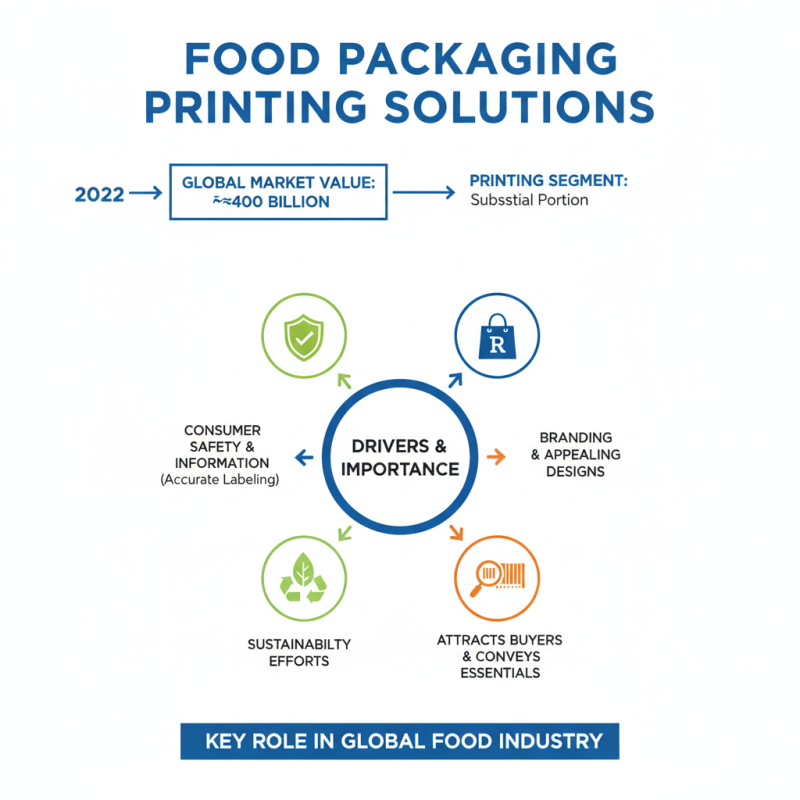
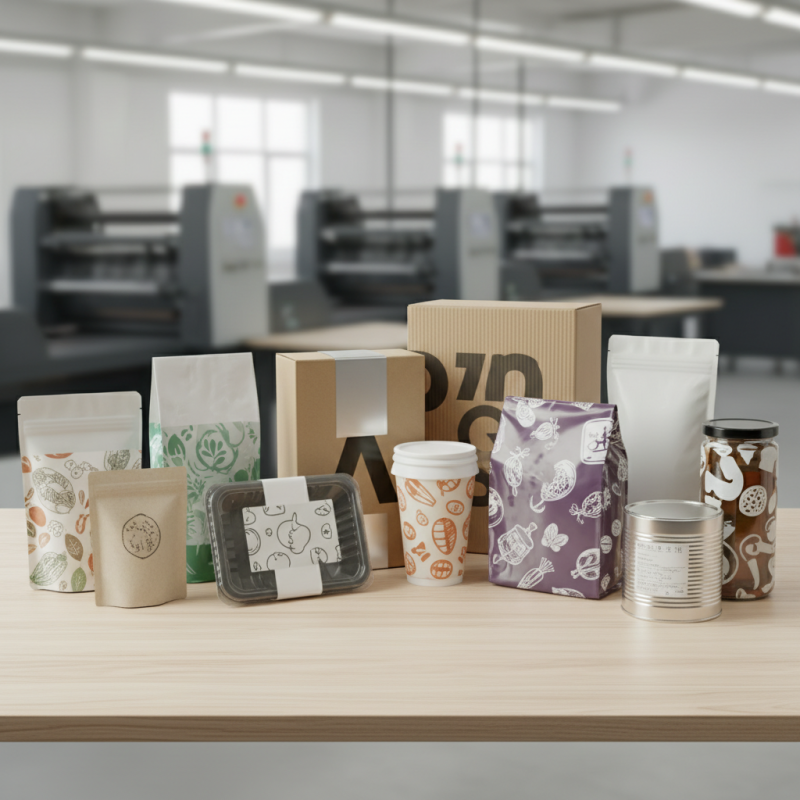
Food packaging printing solutions play a crucial role in the global food industry. As of 2022, the food packaging market was valued at approximately $400 billion, with a significant portion dedicated to the printing segment. Factors like consumer safety, branding, and sustainability drive this demand. Accurate labeling and appealing designs not only attract buyers but also convey essential information about the product.
Printing technologies have evolved rapidly. Flexographic and digital printing are leading the way. Flexography offers speed and efficiency, while digital printing allows for customization and short runs. According to industry reports, digital printing in food packaging is expected to grow by over 20% annually through 2025. This growth highlights the shift towards more personalized consumer experiences, yet it raises questions about waste and sustainability.
Challenges remain in balancing efficiency with ecological responsibility. Many packaging solutions still rely heavily on non-biodegradable materials. Brands face mounting pressure to adopt greener practices. Ensuring food safety and maintaining product integrity is vital. As the industry adapts, innovations such as biodegradable inks and recyclable substrates are emerging. The quest for smarter and more sustainable solutions is ongoing, requiring continuous reflection and improvement.
Key Factors in Choosing Food Packaging Printing Providers
When selecting food packaging printing providers, several key factors come into play. The quality of materials is paramount. Food safety is a priority, and packaging must meet stringent standards. Different substrates, inks, and coatings affect durability and compliance. Buyers should investigate if the provider uses environmentally friendly practices. Sustainable options are more appealing to today's consumers.
Another crucial aspect is technological capability. Modern printing techniques can enhance product visibility and shelf appeal. Digital printing, for example, allows for shorter runs and customization. However, not all providers may have the latest machinery. It's essential to verify their production capabilities.
Track record and experience also matter. Providers with a strong history are often more reliable. They may better understand the unique requirements of different food products. However, newer companies can bring innovative solutions. A balance of experience and fresh ideas may be beneficial. Conducting due diligence is vital to ensure the partnership is mutually beneficial. This process can be time-consuming, but finding the right provider can make a significant difference.
Top Technologies Used in Food Packaging Printing
In the food packaging industry, technology plays a critical role in ensuring quality and safety. Digital printing has emerged as a leading solution, offering flexibility and rapid turnaround. According to the Smithers Pira report, the digital printing market in packaging is expected to grow by 11% annually through 2025. This growth showcases the increasing demand for customized packaging that meets consumer needs.
Flexographic printing remains a popular choice for its efficiency in large runs. It's suitable for various materials, providing consistent quality. However, some industry experts note that the setup costs can be high, creating a barrier for smaller producers.
Meanwhile, gravure printing is favored for high-quality, intricate designs, particularly in flexible packaging. Yet, the technology requires significant investment and is best suited for high-volume production.
Sustainability is also a key consideration. Eco-friendly inks and recyclable materials are gaining traction. Data from a recent market analysis indicates that 68% of consumers prioritize sustainable packaging options. However, balancing cost and eco-conscious materials remains a challenge for manufacturers. As technology evolves, the food packaging sector must adapt to meet these demands while maintaining efficiency and affordability.
Sustainable Practices in Food Packaging Printing
Sustainable practices in food packaging printing are crucial for reducing environmental impact. Many companies are exploring eco-friendly materials. Biodegradable and recyclable options are becoming more available. These alternatives help companies meet consumer demand for greener products. However, not all sustainable materials perform equally well in printing processes.
Each printing method brings its own challenges. Water-based inks are a popular choice. They are less harmful and easier to clean up. Yet, their vibrant colors can sometimes fall short of expectations. Some firms face difficulties in achieving consistent quality with these inks. Additionally, not every printer is equipped to handle sustainable materials, which can hinder wider adoption.
Innovation plays a key role in improving sustainability in this sector. Advances in technology are driving the use of less wasteful methods. Digital printing, for example, allows for on-demand runs. This minimizes excess inventory and reduces waste. However, transitioning to these technologies can require significant investment. Companies must balance the costs against the long-term benefits when considering these changes.
Future Trends in Food Packaging Printing Solutions
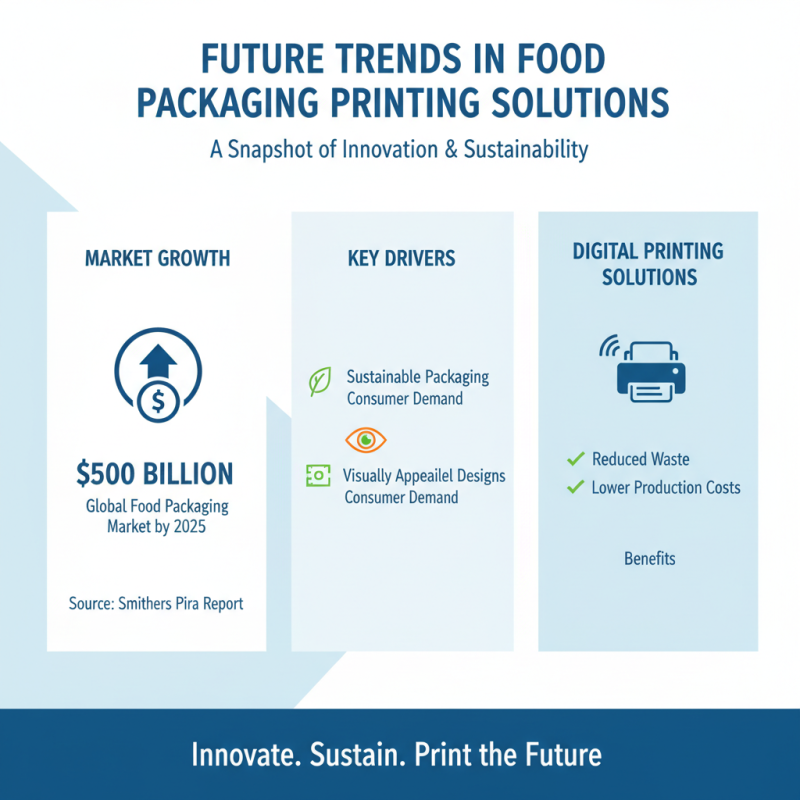
The food packaging printing industry is evolving rapidly. According to a recent report by Smithers Pira, the global food packaging market is projected to reach $500 billion by 2025. This growth is largely driven by consumer demand for sustainable and visually appealing packaging. Digital printing solutions are capturing attention for their ability to reduce waste and lower production costs.
Sustainability is a crucial trend. Companies are increasingly looking for eco-friendly materials. In a survey, 72% of packaging professionals reported a commitment to sustainability. Innovations in biodegradable inks and recyclable films are gaining traction. However, achieving a balance between durability and eco-friendliness remains a challenge.
Customization is another significant trend. Brands are investing in short-run printing techniques to meet diverse consumer preferences. Personalized packaging can increase brand loyalty, but it comes at a higher cost. As technology advances, efficiency in customization can improve, yet this area still requires reflection on practicality and environmental impact. The industry is at a crossroads, where innovation must align with sustainability and practicality.