Top 5 Tips for Choosing Food Pouch Packaging Solutions?
Choosing the right food pouch packaging solutions is crucial for any food business. According to Mark Chen, a leading expert in food packaging technology, “Packaging is not just about containment; it shapes consumer perceptions.” This statement underscores the importance of selecting appropriate packaging to enhance brand image and protect product integrity.
Food pouch packaging offers versatility in design and materials. It provides convenience and sustainability, two factors that modern consumers highly value. However, the vast array of options can be overwhelming. Companies must consider their product requirements, shelf life, and storage conditions when making these choices. It is essential to evaluate various packaging types and materials.
Not all food pouch packaging solutions will fit every product. Some designs may compromise product quality over time. Additionally, failing to assess consumer preferences could lead to ineffective packaging choices. Businesses should engage in careful research and possibly seek expert input to navigate this complex area.
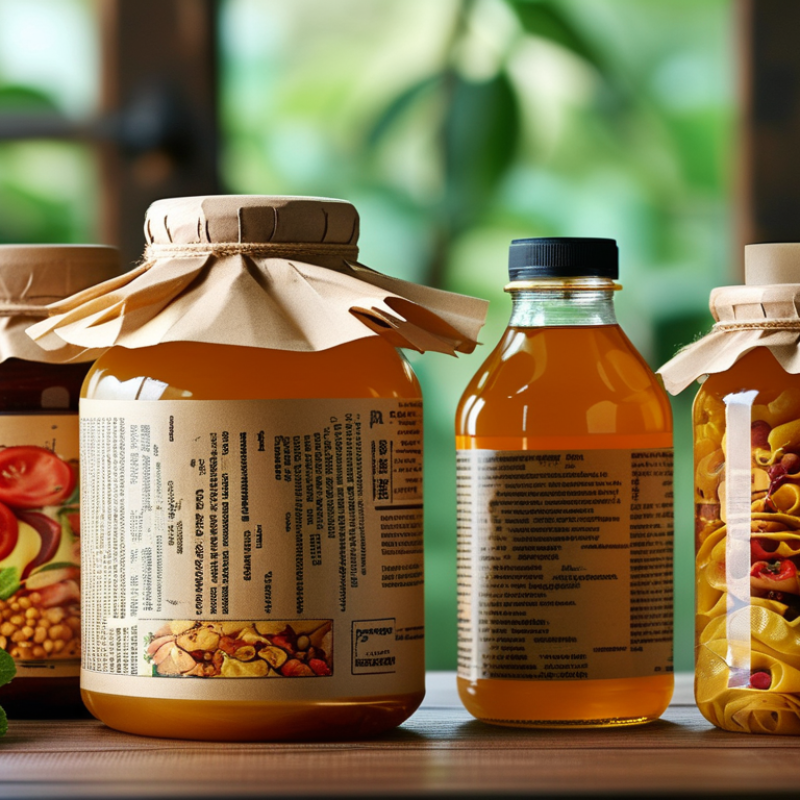
Understanding Food Pouch Packaging and Its Importance for Products
Food pouch packaging plays a crucial role in preserving product quality and extending shelf life. In 2022, the global flexible packaging market was valued at approximately $248 billion, with food packaging being a significant contributor. Properly chosen packaging not only protects against contamination but also influences consumer perception. The right materials can enhance freshness, while designs attract customers.
Selecting the right food pouch involves considering material properties. For example, barriers against moisture and oxygen are essential. Materials like polyethylene and laminated films are popular for their effectiveness in preserving food quality. A study from the Flexible Packaging Association highlights that nearly 70% of consumers prefer flexible packaging for its convenience and sustainability profile.
When evaluating food pouch packaging, think about your target audience. Eco-friendly options are becoming increasingly important. According to a survey, over 60% of shoppers are willing to pay more for sustainable packaging. Balance functionality and visual appeal. Design plays a significant role in branding and consumer choices. While functionality is critical, overcomplicating designs can confuse customers. Keeping it simple yet informative often yields better results.
Evaluating Material Options for Food Pouch Packaging Solutions
When evaluating material options for food pouch packaging, several factors come into play. First, consider the type of food being packaged. High-fat products, for instance, may need barrier materials to prevent spoilage. A versatile option is plastic laminates, which blend functionality with cost-effectiveness. However, these can sometimes fall short in protecting moisture-sensitive items.
Next, think about sustainability. Consumers increasingly prefer eco-friendly materials. Options like biodegradable films appeal to environmentally conscious buyers. Yet, these may not always provide the optimal protection for all products. Testing is crucial to establish the correct balance between performance and sustainability.
Some materials can also impact consumer perception. Clear windows in pouches allow visibility of the food inside but can compromise shelf life. Reflecting on this trade-off can lead to better choices. Engage with suppliers for insights; their expertise can assist in navigating these complexities. Careful consideration of each option can lead to improved product integrity and customer satisfaction.
Top 5 Material Options for Food Pouch Packaging Solutions
Considering Environmental Impact in Food Pouch Packaging Choices
In recent years, environmental considerations have significantly influenced food packaging decisions. When selecting food pouch packaging solutions, it’s crucial to think about the sustainability of the materials used. Many traditional packaging options contribute greatly to pollution and landfill waste. Incorporating biodegradable or recyclable materials can enhance a brand’s environmental credibility and attract eco-conscious consumers.
Another important aspect is the sourcing of raw materials. Choosing local suppliers reduces carbon footprints associated with transportation. Furthermore, examining the entire lifecycle of the packaging helps identify improvement areas. This process is often overlooked, yet it can reveal hidden inefficiencies. Sometimes, a seemingly eco-friendly option may not be as sustainable after thorough evaluation.
Lastly, companies should engage in transparent communication regarding their packaging choices. Sharing information about the environmental impact and sustainability efforts fosters trust with consumers. However, it is vital to be aware of greenwashing. Misleading claims can damage a brand’s reputation and misguide consumers. Striking a balance between effective packaging solutions and environmental responsibility requires careful thought and ongoing assessment.
Top 5 Tips for Choosing Food Pouch Packaging Solutions - Considering Environmental Impact in Food Pouch Packaging Choices
| Tip |
Consideration |
Environmental Impact |
Material Options |
| 1. Assess biodegradable options |
Choose materials that break down naturally |
Reduces landfill waste |
PLA, cellulose |
| 2. Opt for recyclable materials |
Look for packaging that can be recycled easily |
Encourages recycling behavior |
PET, HDPE |
| 3. Evaluate reusability |
Design for multiple uses by consumers |
Lowers overall packaging footprint |
Glass, sturdy plastics |
| 4. Minimize package size |
Reduce packaging volume |
Less material waste |
Flexible materials |
| 5. Research the supply chain |
Understand sourcing of materials |
Can mitigate carbon footprint |
Sustainably harvested materials |
Assessing the Cost-effectiveness of Different Food Pouch Options
When evaluating food pouch packaging options, cost-effectiveness is a key factor that many businesses overlook. Often, brands focus on aesthetics or durability, neglecting the financial implications. Exploring various materials is essential. Cost and performance can vary significantly across different types. For instance, flexible pouches may lower transportation costs, while rigid packaging may incur higher shipping fees.
Analyzing production costs is equally crucial. Some materials, while initially cheaper, may not deliver long-term savings. A pouch that fails to preserve freshness can lead to spoilage and waste. Small adjustments in design and material usage can present opportunities for savings. However, compromising on quality is often not worth the risk. Sometimes, the cheapest option can result in poor customer experiences.
Additionally, looking at supplier options can influence overall spending. Some suppliers may offer bulk discounts. Others might provide better terms that suit your financial model. It's worth exploring multiple vendors. A reliable partnership can lead to better pricing and consistent supply chains. If pricing seems enticing, it might warrant a deeper investigation into quality control measures. Balancing cost and quality is a challenging but rewarding process.
Analyzing Consumer Preferences and Trends in Food Packaging Design
Analyzing consumer preferences in food packaging design reveals significant trends shaping the industry. A recent study by the Flexible Packaging Association indicated that 62% of consumers favor convenient packaging. Pouch formats often increase product visibility and ease of use. Such designs cater to modern lifestyles, where on-the-go options are in high demand.
Packaging materials also matter. Research from Grand View Research showed that sustainable packaging options are increasingly influential. About 74% of consumers are willing to pay more for environmentally friendly choices. Thus, selecting recyclable or biodegradable materials can enhance customer satisfaction.
When choosing food pouch packaging solutions, consider these aspects. Prioritize user-friendly designs that facilitate consumption. Focus on sustainable materials that align with eco-conscious values. Lastly, keep an eye on market trends regarding colors and visuals, as they can significantly impact purchasing decisions. Addressing these factors thoughtfully can lead to a successful packaging strategy.