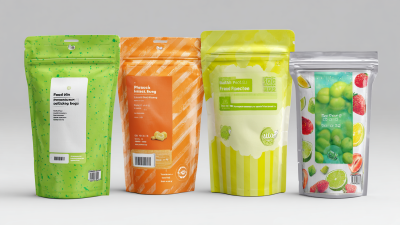
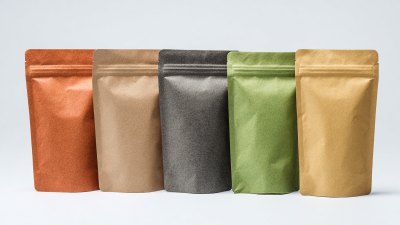
Food Packaging Printing plays a vital role in the food industry. It is not just about aesthetics; it conveys essential information to consumers. Studies show that 67% of consumers consider packaging design when purchasing products. This highlights the importance of visually appealing and informative labels.
Moreover, effective Food Packaging Printing helps ensure food safety. According to the Food and Drug Administration (FDA), clear labeling prevents miscommunication about ingredients. Misleading packages can lead to health risks, especially for allergic individuals. This aspect urges brands to reflect carefully on their packaging choices.
However, many companies overlook the environmental impact of packaging. A large amount of food packaging ends up in landfills. Industry reports indicate that plastic waste from food packaging increased by 15% in the last year. Brands must think critically about sustainable solutions. Balancing functionality, aesthetics, and sustainability remains a challenge in Food Packaging Printing.
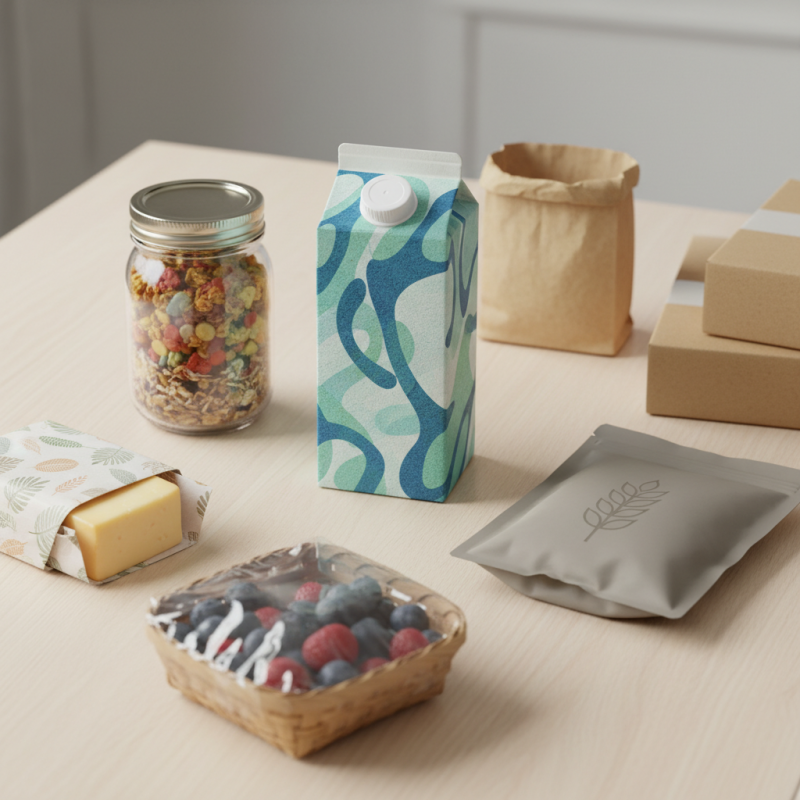
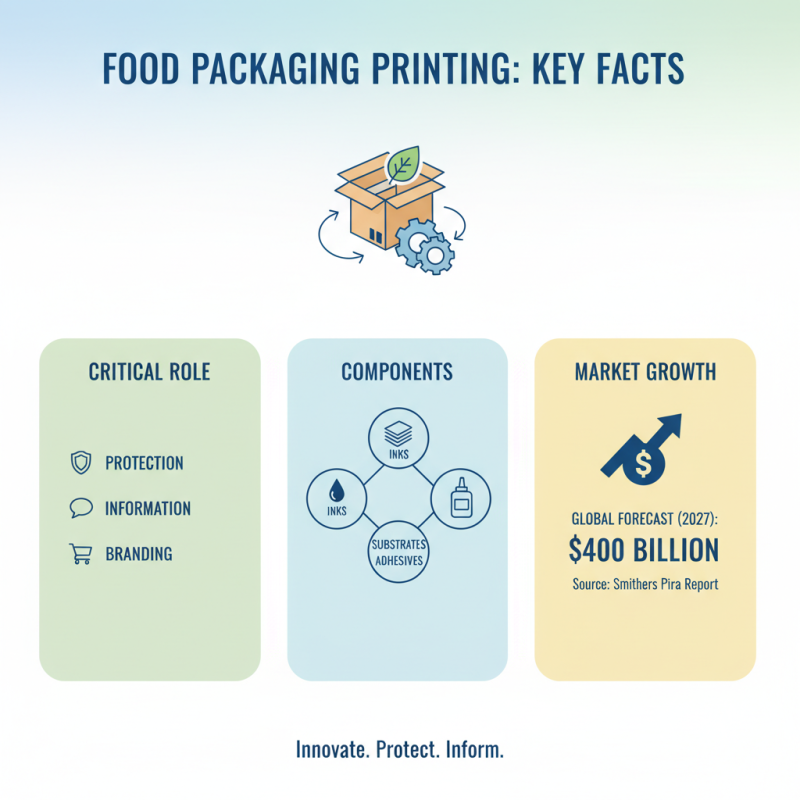
Food packaging printing plays a critical role in the food industry. It involves various techniques to create labels, wrappers, and boxes that not only protect food but also inform consumers. The components of food packaging printing include inks, substrates, and adhesives. According to a recent report from Smithers Pira, the food packaging market is expected to reach $400 billion globally by 2027. This indicates the growing significance of effective packaging.
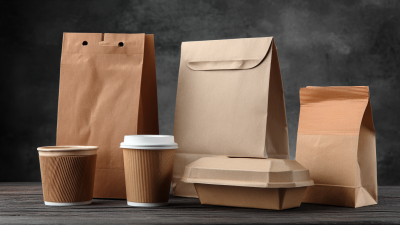
Inks used in food packaging must be safe and compliant. Eco-friendly inks are becoming popular, as consumers demand sustainable choices. Substrates refer to the materials onto which the ink is printed. Common substrates include paper, plastic, and metal. Each material has its benefits and limitations. For instance, while plastic is versatile, it has environmental concerns. A balance between functionality and sustainability is needed.
Adhesives are crucial in sealing and ensuring food safety. With the rise of e-commerce, packaging must also withstand shipping challenges. Although advancements are made, there are still issues. Some packages fail to protect the food adequately, leading to waste. Continuous improvement in food packaging printing is essential to address these challenges. Quality control measures are vital to building consumer trust and maintaining brand integrity.
Food packaging printing plays a vital role in how products are perceived and marketed. There are several printing techniques that cater to different kinds of packaging needs. Each method has unique benefits and drawbacks. Understanding these can enhance your approach to food packaging.
Flexographic printing is widely used in the food industry. It’s efficient for high-volume runs. The process allows for vibrant colors and intricate designs. However, setup costs can be high. Digital printing, on the other hand, offers flexibility. It works well for short runs and custom designs. But, it may lack the durability of traditional methods.
Gravure printing is another technique, ideal for high-quality packaging. It provides deep, rich colors that stand out. The downside? It requires significant investment and time for setup. Each technique has its own set of challenges. Choosing the right one depends on specific project needs. Not every method fits every product, and that’s worth reflecting on.
| Printing Technique | Description | Applications | Advantages |
|---|---|---|---|
| Flexographic Printing | A relief printing method using flexible plates. | Packages, labels, and corrugated boxes. | High-speed printing, cost-effective for large runs. |
| Digital Printing | Direct printing from a digital file without a printing plate. | Short runs, custom packaging, and personalized labels. | Quick turnaround, flexible design changes. |
| Offset Printing | A method where ink is transferred from a plate to a rubber blanket, then to the substrate. | High quality prints for cartons and larger food packages. | Great quality and detail, suitable for larger volumes. |
| Gravure Printing | Involves engraving images onto a cylinder to transfer ink. | Flexible packaging, food wrappers, and labels. | High-quality images, suitable for long runs. |
| Screen Printing | Ink is pushed through a mesh screen to create designs. | Labels, boxes, and limited-edition packaging. | Vibrant colors, good for unique and custom designs. |
Food packaging printing plays a vital role in branding and marketing. Good packaging can attract customers. It communicates the brand's message effectively. Packaging should stand out on the shelf. Vibrant colors and unique designs catch the eye. A well-printed label helps in conveying important information about the product. This includes ingredients, nutritional facts, and usage instructions. Customers appreciate transparency in food products.
Tips: Consider using eco-friendly materials. This not only appeals to the environmentalist but also adds value to your brand. Also, test different designs to see what resonates with your audience. Take time to analyze customer feedback. This could help improve your packaging strategy.
Branding through food packaging hinges on consistency. Keep your design elements uniform across all products. This builds brand recognition. However, don’t be afraid to experiment. Sometimes, change can lead to unexpected positive results. Balancing innovation and tradition is key. Reflect on past designs to make future changes more meaningful.
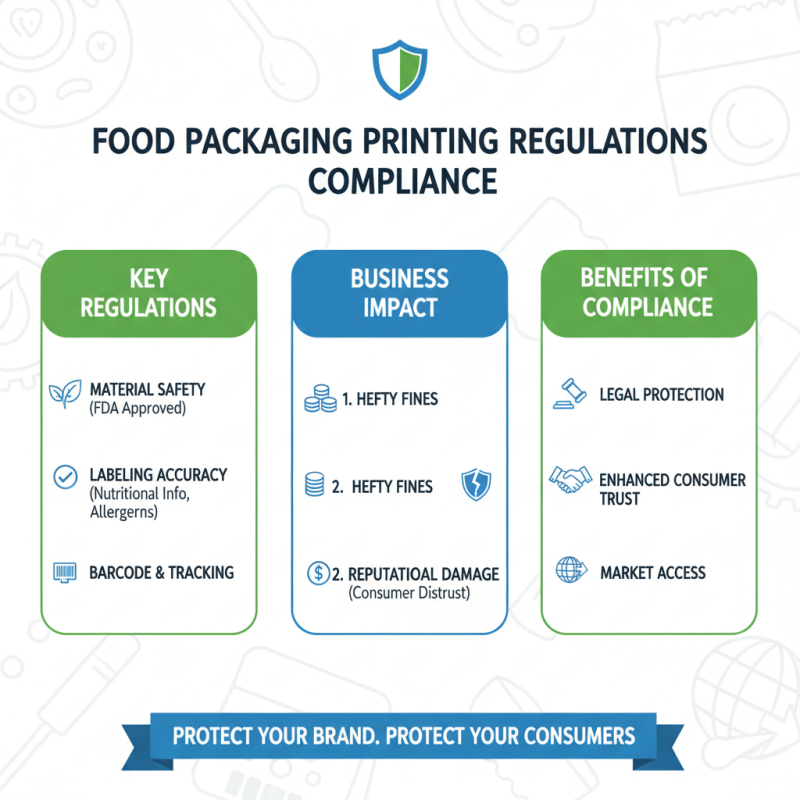
Food packaging printing plays a crucial role in the food industry. It ensures that products are not only visually appealing but also compliant with various regulations. These regulations can dictate everything from the types of materials used to specific labeling requirements. When businesses fail to meet these standards, they risk hefty fines and reputational damage.
Regulatory considerations in food packaging printing are multifaceted. For instance, countries have different regulations regarding contact materials. Certain inks and coatings may contain substances that are unsafe for food contact. It's vital for businesses to conduct thorough research. They must understand the implications of their choices, ensuring consumer safety.
Labeling is another critical aspect. Nutritional information, health claims, and allergen warnings must be clear and accurate. Misleading or incorrect information can lead to recalls, lawsuits, and loss of consumer trust. The challenge is to balance creative design with regulatory compliance, a task that often requires careful planning and expertise. Compliance is not just a box to check; it reflects a commitment to public health and safety.
Food packaging printing is evolving rapidly, with sustainability at its core. Many companies are seeking eco-friendly materials. Biodegradable films and recyclable inks make a significant impact. These innovations reduce plastic waste and lessen the carbon footprint of packaging.
However, challenges remain. Not all sustainable materials offer the same level of protection for food. Some may not keep products fresh for long periods. This raises questions about food safety and shelf life. Print quality might also suffer with eco-friendly inks. Companies must weigh the cost of sustainability against quality.
Regulations on food packaging are tightening. Brands must ensure that their packaging meets these new criteria. The balance between sustainability and compliance can sometimes feel overwhelming. There's a need for clear communication with consumers. Educating them about sustainable practices is key to building trust.