What is Flat Pouches? Essential Guide to Their Uses and Benefits
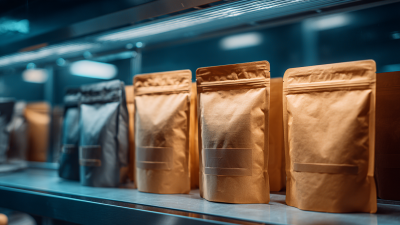
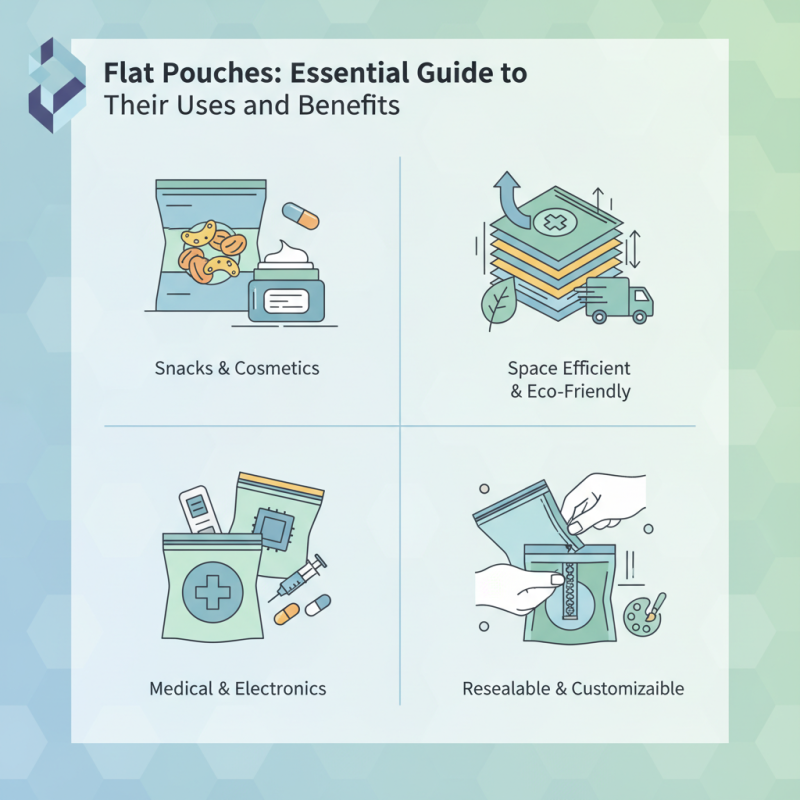
Flat pouches have become an essential packaging solution across various industries, offering both versatility and practicality. These sleek, flat bags are designed to hold a diverse range of products, from snacks and cosmetics to medical supplies and more. With their minimalist design, flat pouches not only provide an aesthetically pleasing option for packaging but also offer various functional benefits. Their lightweight and space-efficient nature makes them ideal for easy storage and transport, reducing shipping costs and environmental impact.
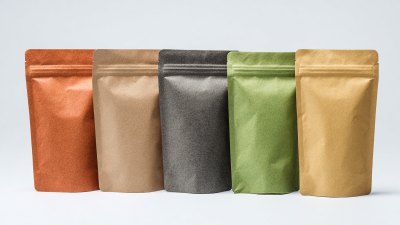
The uses of flat pouches are vast, catering to businesses seeking to enhance their product presentation while ensuring user convenience. The ability to customize these pouches—through materials, sizes, and printing options—allows companies to create attractive branding opportunities that resonate with consumers. Furthermore, flat pouches are often equipped with features such as resealable zippers and tear notches, enhancing usability for end-users. As we delve deeper into the characteristics and advantages of flat pouches, it becomes evident that they represent a blend of innovation and functionality that meets the evolving needs of today’s market.
What Are Flat Pouches? A Comprehensive Overview
Flat pouches are flexible packaging solutions that have gained significant traction across various industries due to their practicality and versatility. Defined as pouches with a flat design, they offer a streamlined approach to packaging that minimizes material waste while providing effective barrier protection. A report by Smithers Pira indicates that the global flexible packaging market is projected to grow at a compound annual growth rate (CAGR) of 4.5%, driven by the increasing demand for lightweight and durable packaging solutions. Flat pouches can easily accommodate different filling methods and materials, satisfying the growing consumer preferences for convenience and sustainability.
The utility of flat pouches extends beyond their structural advantages. They are extensively used in sectors such as food, pharmaceuticals, and personal care for their excellent ability to preserve product freshness and integrity. According to a study by Grand View Research, the food packaging segment is anticipated to reach USD 381.4 billion by 2027, with flat pouches playing a pivotal role in this growth. Their design allows for various closure options, such as sealable tops or zip locks, enhancing user convenience and extending shelf life. Furthermore, the customization options available—ranging from different sizes, finishes, and prints—enable brands to distinguish their product offerings in a competitive market.
Common Materials Used in Flat Pouch Production
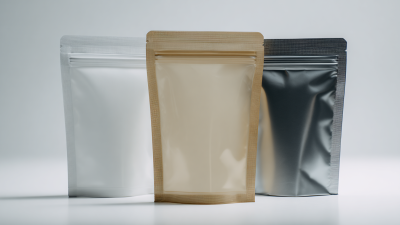
Flat pouches have gained popularity in packaging due to their versatility and efficiency. These pouches are commonly made from materials such as polyethylene (PE), polypropylene (PP), and polyester (PET). According to industry reports, the global flexible packaging market, which includes flat pouches, is projected to reach USD 300 billion by 2026, highlighting the increasing demand for sustainable and user-friendly packaging solutions.
Polyethylene is particularly favored for its moisture barrier properties, making it ideal for food and personal care products. On the other hand, polypropylene offers excellent clarity and strength, which is crucial for retail presentation.
When considering materials for flat pouch production, it's essential to balance cost, performance, and sustainability. Many manufacturers are now opting for biodegradable options and recycled materials in response to growing environmental concerns. The use of recycled PET, for instance, can significantly reduce carbon footprint and energy consumption during production.
Integrating sustainable practices not only meets consumer demand but also complies with regulatory standards increasingly focused on eco-friendly packaging solutions.
Tips: Always assess the intended application of the flat pouch when choosing materials. If food safety is a priority, ensure that the selected material complies with relevant food safety regulations. Additionally, consider the pouch's end-of-life options; investing in recyclable or compostable materials can enhance brand reputation and appeal to environmentally conscious consumers.
Key Benefits of Using Flat Pouches for Packaging
Flat pouches have become a favored choice in the packaging industry due to their versatility and efficiency. One of the key benefits of using flat pouches is their ability to save space during transportation and storage. According to a report by MarketsandMarkets, the global flexible packaging market, which includes flat pouches, is projected to grow at a CAGR of 4.5% from 2021 to 2026, driven by the increasing demand for sustainable packaging solutions. Flat pouches utilize less material than traditional rigid containers, meaning reduced material costs and lower environmental impact, as they contribute to decreased carbon footprints and waste.
Another significant advantage is the customizability of flat pouches. They can be designed to include features such as resealable closures, pour spouts, and tear notches, enhancing user convenience. This adaptability to consumer needs can lead to increased sales, especially in food and beverage sectors, where freshness is critical. A study indicated that 56% of consumers prefer flexible packaging due to its ability to keep products fresh for longer periods, underscoring the importance of flat pouches in maintaining product integrity.
Tips: When choosing flat pouches for your products, consider the material type and barrier properties based on your specific needs. Additionally, investing in attractive designs can significantly enhance shelf appeal and attract more customers. Always ensure that your packaging meets the regulatory guidelines relevant to your product category to avoid compliance issues.
Various Applications of Flat Pouches Across Industries
Flat pouches are versatile packaging solutions widely used across various industries due to their ability to meet diverse storage and display needs. In the food sector, flat pouches are often utilized for snacks, coffee, and pet food, providing excellent barrier properties that keep the contents fresh while allowing for eye-catching graphics that enhance shelf appeal. These pouches can be designed with resealable features, which add convenience for consumers while maintaining product integrity.
In the cosmetic and personal care industries, flat pouches serve as an ideal packaging option for single-use products such as face masks, lotions, and serums. Their lightweight nature and customizable sizes make them perfect for on-the-go use, catering to modern consumers looking for practicality and portability. Additionally, the eco-friendly material options available for flat pouches help brands in these sectors to align with sustainability goals, meeting both consumer demand and environmental responsibility.
Moreover, flat pouches are gaining popularity in the pharmaceutical and healthcare industries. They can securely house medications and supplements, providing tamper-evidence and ensuring dosage integrity. With their ability to be printed with clear, concise information, flat pouches help to communicate essential details regarding usage, ingredients, and safety, thus enhancing customer trust and product usability.
Bar Chart of Flat Pouches Applications Across Industries
Sustainability Considerations in Flat Pouch Design and Use
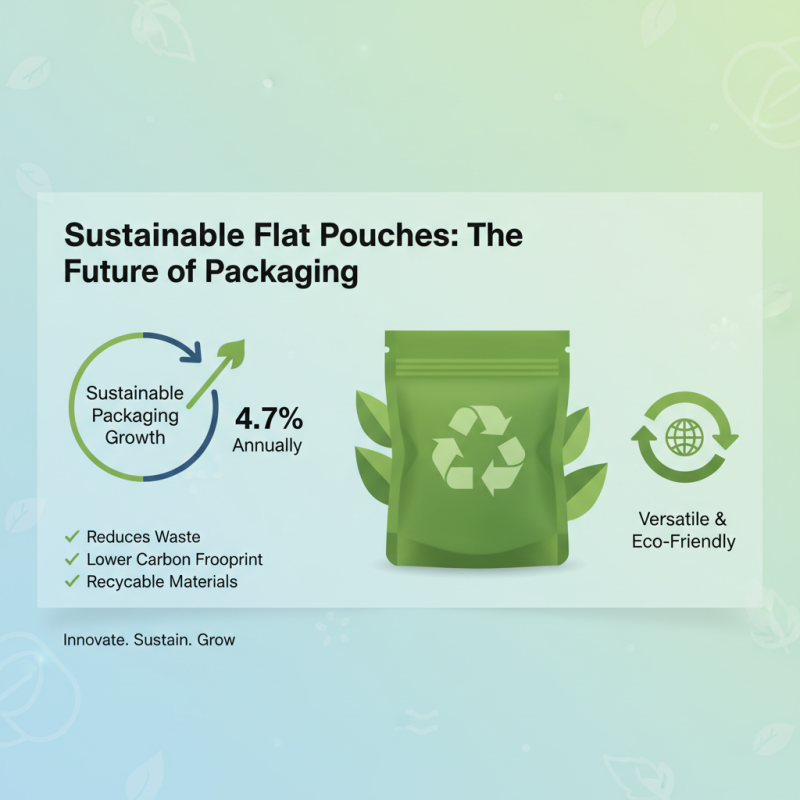
In recent years, flat pouches have gained significant traction in packaging solutions due to their versatility and convenience. However, an increasing focus on sustainability has shifted the emphasis towards how these products are designed and used. According to a report from Smithers Pira, sustainable packaging is projected to grow at a rate of 4.7% annually, highlighting the rising consumer demand for eco-friendly options. Flat pouches made from recyclable materials not only reduce waste but also minimize the carbon footprint associated with traditional packaging methods.
The design of flat pouches is pivotal to their environmental impact. Many manufacturers are now opting for materials like biodegradable films and recycled plastics, which can drastically reduce the environmental burden. A study by the Flexible Packaging Association indicates that flexible packaging, including flat pouches, generates less waste than rigid packaging, with a reduction potential of up to 50% in materials used. Additionally, the lightweight nature of flat pouches contributes to lower transportation emissions, making them a more environmentally friendly choice. As industries continue to embrace sustainability, the adoption of eco-conscious practices in the design and utilization of flat pouches will likely expand, further supporting the quest for responsible packaging solutions.