How to Choose Packaging and Printing Suppliers?
Choosing the right supplier for Packaging And Printing can shape how customers see, handle, and remember a product. A carton may look polished on screen but arrive with dull colors, weak corners, or a finish that scuffs during shipping. Small details matter. The supplier’s samples, production controls, and communication deserve as much attention as the quoted price.
Start by matching the supplier’s capabilities to your actual needs. Ask about materials, print methods, finishing options, minimum order quantities, and lead times. Request a physical sample or press proof when color, texture, or fit is critical. Check whether the supplier can explain how artwork files are reviewed and how defects are handled. Clear answers are useful. Vague promises are not.
Price still matters, but compare like with like. A low quote may exclude tooling, shipping, or revisions. Confirm specifications in writing, including dimensions, paper or board grade, color references, and delivery dates. If possible, speak with recent customers and verify relevant quality or environmental certifications rather than relying on a logo alone. Requirements vary by product and market.
Good partnerships need honest discussion. Share realistic forecasts, flag fragile components, and ask how schedule changes are managed. Then listen carefully. A supplier may be capable yet still be a poor fit for your workflow. I would not treat one successful sample as proof of consistent production; that assumption is tempting, and sometimes wrong. Careful checks before ordering can reduce surprises, though no checklist removes every risk.

Define Packaging and Printing Requirements
Before requesting quotes, define what the pack must protect and how people will use it.
Record product weight, dimensions, filling temperature, storage conditions, expected shelf life, and shipping risks. Specify the material, pack format, and any barrier needs, such as moisture or oxygen resistance. Be precise.
The Flexible Packaging Association’s 2023 State of the Flexible Packaging Industry estimated U.S. flexible-packaging sales at $42.9 billion in 2022. That scale reflects many formats and specifications; a supplier’s expertise in one may not transfer to another.
For printing, provide artwork files, the required print process, color references, finish, and readable-text or barcode requirements. Set measurable tolerances for dimensions, color matching, and print placement. State order quantity, delivery location, and target lead time.
Ask how the supplier checks proofs and tests samples under realistic conditions, such as chilled storage or rubbing during transit. Share acceptance criteria before quoting, not after production begins.
The first brief may miss something. Review a physical sample, note what failed, and revise the specification before approving a full run. A perfect color target on screen may look different on the chosen substrate, so approve against a printed proof.
Assess Supplier Capabilities and Production Capacity
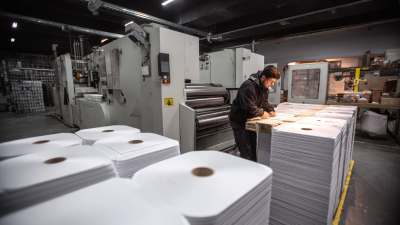
Assess a packaging and printing supplier by matching its equipment to your actual specifications. Ask whether it can handle your material, dimensions, finishes, and expected order volume. A supplier that prints crisp labels may not have suitable machinery for folding cartons.
Request samples made on the same equipment and material planned for production. Inspect color consistency, registration, folds, glue seams, and cutting edges under ordinary lighting.
Capacity needs evidence, not just a confident sales estimate. Ask about monthly output, current workload, shift patterns, maintenance downtime, and how urgent orders are scheduled. Check whether the supplier can scale from a small test run to repeat orders without changing key quality standards.
Request a production timeline with approval, printing, finishing, and packing stages shown separately. Small details matter. If a press is already booked, a quoted delivery date may depend on a narrow window.
A spreadsheet can still mislead; I would verify figures against recent jobs and actual sample quality. Ask what happens when a machine fails or a material shipment arrives late. The answer should name realistic backup steps, not promise that delays never happen.
Then compare capacity with your busiest season, not only an average month.
Compare Quality Standards, Certifications, and Sustainability
Packaging suppliers should be assessed with evidence, not polished promises. Ask for recent quality records, material specifications, and sample results from comparable production runs. Request test reports for strength, color consistency, ink adhesion, and food-contact suitability when relevant. Then check scope. A certificate may cover one site or process, not every product. Confirm its issuer, expiry date, and covered facility. Ask for evidence.
Sustainability claims need the same careful review. Compare recycled-content figures, material sourcing, waste controls, and energy data using clearly stated measurement methods. For paper, check fiber-content documentation; for plastic, ask whether the structure can be collected and processed in your target market. A factory audit can reveal how waste is handled on the floor, not just in a report. I would also compare samples from repeat runs, since one perfect proof may hide ordinary variation. No checklist catches every mismatch. Leave room for follow-up questions, especially when a supplier’s numbers seem unusually precise or its answers change between documents.
Evaluate Pricing, Lead Times, and Contract Terms
A low unit price can hide setup fees, plate charges, freight, or costly minimum orders. Smithers estimated the global packaging market at about US$1.05 trillion in 2024, reflecting a large, material-intensive sector where paper and substrate costs can shift. Compare itemized quotes, not just the price per box. Ask whether the estimate includes proofing, tooling, color matching, and delivery to your site. The cheapest bid may still be the wrong one.
Request a lead-time schedule that separates artwork approval, production, and shipping. A quoted “four weeks” means little if the clock starts after proof approval. Check the supplier’s recent on-time performance and ask how delays are reported. Put price-adjustment rules, approved material substitutions, quality tolerances, cancellation fees, and remedies for defective work into the contract. Keep a signed sample or approved proof as the reference. Small gaps matter. I would still question any promise that sounds unusually certain.
Tips: Request a sample run before committing to a large order. Confirm who pays for reprints if colors or dimensions miss the approved specifications. Record delivery dates and defects for each order; your own history can reveal problems that a polished quote will not.
How to Choose Packaging and Printing Suppliers
Compare total landed cost, lead-time reliability, quality, and contract flexibility on a consistent 1–5 scale. Higher scores are better. The sample scores below are illustrative, not actual supplier data.
Use written quotes and contract terms to score each supplier. Include shipping, setup, and other fees in total landed cost; verify production and delivery timelines; and review quality controls, minimum order quantities, payment terms, and remedies for delays or defects.
Verify Samples, References, and Supplier Reliability
A supplier’s sample should be examined like a working product, not a showroom piece. Check whether the paper weight, dimensions, color, and finish match your specifications. Run a finger along the folds and edges. Look for ink smudges, uneven trimming, weak seams, or colors that shift under natural light. Small defects matter. Ask whether the sample came from the same equipment and materials planned for your order; a hand-finished mock-up may not reveal production limits.
References can show how a supplier behaves after a project starts. Request contacts for recent jobs with similar materials, quantities, and finishing steps. Ask whether delivery dates held, how defects were handled, and how quickly questions received clear answers. Listen for specific examples, not just general praise. One reference is only a snapshot, so compare feedback from more than one customer when possible.
Reliability also appears in ordinary details: replies that address your questions, quotations with clear specifications, and updates when schedules change. Confirm who approves proofs and who records changes. A small pilot run can reveal packing damage, color variation, or delays before a larger order. Keep written records of agreed tolerances and delivery dates. Even careful checks leave some uncertainty; production can vary, and a polished sample is not a guarantee.