2026 How to Choose the Right Mesh FIBC Bags for Your Needs?
When selecting the right Mesh Fibc Bags, careful consideration is vital. These bags are not only functional but also imperative for effective storage and transport of various materials. The right choice can enhance productivity and reduce costs in industrial settings.
Mesh FIBC Bags offer breathable options, crucial for products susceptible to moisture. Understanding your specific requirements is essential; the size, capacity, and type of mesh matter. A common mistake is undervaluing the importance of bag construction and fabric strength. Not all Mesh FIBC Bags are created equal, and overlooking details can lead to significant issues.
Choosing the right bag is a balance of quality and application. It’s easy to get overwhelmed by options but assessing the materials you intend to carry simplifies the process. Reflect on your needs, and consult with experts if necessary to ensure optimal choices. Making informed decisions will ultimately lead to better outcomes.
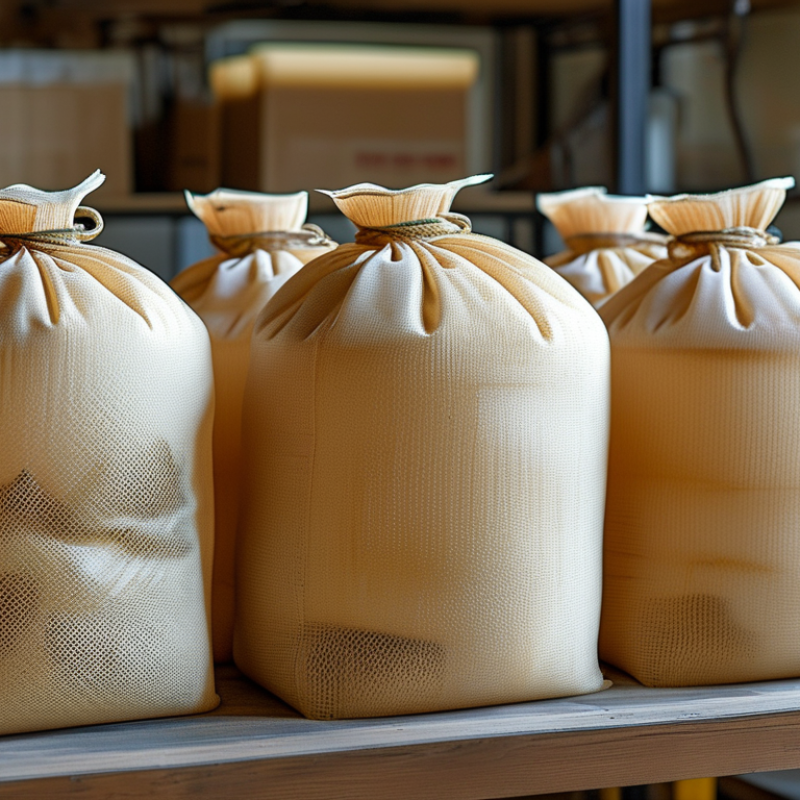
Understanding the Basics of Mesh FIBC Bags and Their Applications
Mesh FIBC (Flexible Intermediate Bulk Container) bags serve various industries by offering a lightweight and breathable packaging solution. These bags are especially valuable in agricultural, construction, and recycling sectors. The application scope is broad, yet understanding their core features is essential for effective usage. Research indicates that mesh FIBCs facilitate air circulation, which prevents moisture accumulation and spoilage of goods like grains and seeds. The global market for bulk packaging was valued at approximately $70 billion in 2021, and mesh options are increasingly favored for their versatility.
Selecting the right mesh FIBC requires a focus on mesh size, fabric strength, and load capacity. According to industry analyses, a mesh size of 1mm to 2mm is optimal for most agricultural applications, balancing airflow with protection against contaminants. Assessing these characteristics can be challenging. Users may struggle to determine the ideal specifications that align with their specific needs. Many businesses overlook the importance of proper testing, which is critical for ensuring bag integrity, especially for heavier loads.
The importance of compliance with safety standards cannot be overstated. Many industries rely on regulations that ensure product safety and environmental compliance. However, discrepancies can occur when users fail to account for local guidelines. This oversight could lead to costly mistakes, including damaged goods and potential liability issues. Investing time in understanding mesh FIBC bags can yield significant benefits, but thorough knowledge and attention to detail are paramount.
Identifying Your Specific Packaging Needs and Requirements
When selecting mesh FIBC bags, it is crucial to identify your specific packaging needs. Understanding what you intend to transport is the first step. Consider the material type. Some products may require extra ventilation and breathability. In contrast, others might need a dust-tight solution. Think about the weight of your materials as well. Heavier items will demand stronger and more durable bags.
Next, evaluate your storage and transportation conditions. Will the bags be exposed to harsh weather? This factor can influence the material choice. Additionally, it's important to consider how the bags will be filled and emptied. Some designs facilitate easier access, while others may complicate the process. Your operational flow should guide your decision-making.
Lastly, review your budget constraints. Quality and durability often come with a higher price tag. However, investing in the right kind of bags can prevent costly damages and product losses later on. Reflect on your choices continuously; the right mesh FIBC bags evolve with your changing needs. Keeping an open line of communication with suppliers can also help in making better-informed decisions.
Evaluating Mesh Types and Specifications for Optimal Performance
Choosing the right mesh FIBC bag is essential for various industries. Evaluating the types of mesh available will help ensure optimal performance. Mesh bags come in different weaves, which directly affect their strength and airflow. This is vital when storing items that need ventilation, like agricultural products.
When selecting a mesh FIBC bag, consider the specific needs of your materials. For lightweight products, a finer mesh may suffice. However, heavier items may require a sturdier, more robust weave. Always check the specifications for load capacity and ensure they match your requirements.
Finding the right balance in mesh type can be tricky. If you favor airflow, remember that it might compromise the bag's structural integrity. Some bags may tear easily under pressure. Use caution when evaluating the mesh density and thickness. A careful assessment of these factors can prevent costly mistakes and ensure your materials are stored safely and efficiently.
Considering Load Capacity and Safety Factors in FIBC Selection
When selecting mesh FIBC bags, load capacity and safety factors are critical. Knowing the weight your bag will carry is essential. Each bag type has a specific load limit, which varies based on its design and material. For heavy materials, choose a bag with a higher load capacity. Misjudging this can lead to failures during transport, risking both safety and product integrity.
Consider the safety factors involved. Mesh FIBC bags provide ventilation, making them suitable for bulk materials that require airflow. However, the choice of mesh size can impact their strength. A smaller mesh size offers better protection but may restrict airflow. This balance between safety and functionality warrants careful thought. Many overlook the bag’s intended use, which can shape their choice.
In terms of practical implications, always assess the working environment. Outdoor conditions or exposure to chemicals can influence bag performance. Testing samples before bulk orders can save time and avoid headaches later. Adjustments may be necessary based on real-world applications, highlighting the importance of thorough research and testing.
Assessing Supplier Quality and Compliance Standards for Mesh FIBCs
When choosing mesh FIBC bags, assessing supplier quality is crucial. A reliable supplier should demonstrate expertise in materials. They must also comply with industry standards. Check for certifications that ensure quality control and safety measures. Suppliers should have a track record. Look for feedback from previous customers. This builds trust and confidence in your choice.
Another aspect is material testing. Ensure the supplier follows rigorous testing protocols. You want to avoid those that cut corners. Examine their procedures for handling and storage. Transparency in these areas is essential. It reflects their commitment to quality. Don’t overlook the importance of ongoing compliance checks. Regular audits can expose weaknesses. This provides peace of mind.
Lastly, good communication is vital. Suppliers must be responsive to inquiries. Assess how they handle questions about products. This can reveal their dedication to customer service. A proactive supplier will often address potential issues before they arise. This attention to detail can significantly affect your operations. Be prepared to evaluate multiple suppliers before making a decision.
