
What Are the Best Types of Shrink Film for Packaging?
Shrink Film is not one material with one job. It describes several packaging films that tighten around products when heated, helping create a close, visible wrap. The best type depends on what you are packing, how it will be handled, and which equipment you use. That choice matters. A small candle, a boxed game, and a bundle of bottled drinks place very different demands on the film.
Polyolefin, or POF, is often chosen for retail products that need clear presentation and a soft, flexible wrap. PVC can suit certain applications, but its handling and processing needs differ. Polyethylene, or PE, is generally thicker and stronger, making it useful for bundling larger or heavier items. These are practical starting points, not universal rules. Not every time. Product shape, film thickness, seal quality, and shrink settings can change the result. A sample run can reveal wrinkles, loose corners, or excessive tension before a full production order.
This guide compares common Shrink Film types by clarity, strength, typical uses, and processing considerations. It also explains why the lowest price per roll may not mean the lowest packaging cost. A film that runs poorly can waste material and slow packing. Specifications vary between suppliers, so confirm product details and test the film on your actual line. There is no perfect option for every package. A little uncertainty is useful here; real products do not always behave like neat catalog examples.
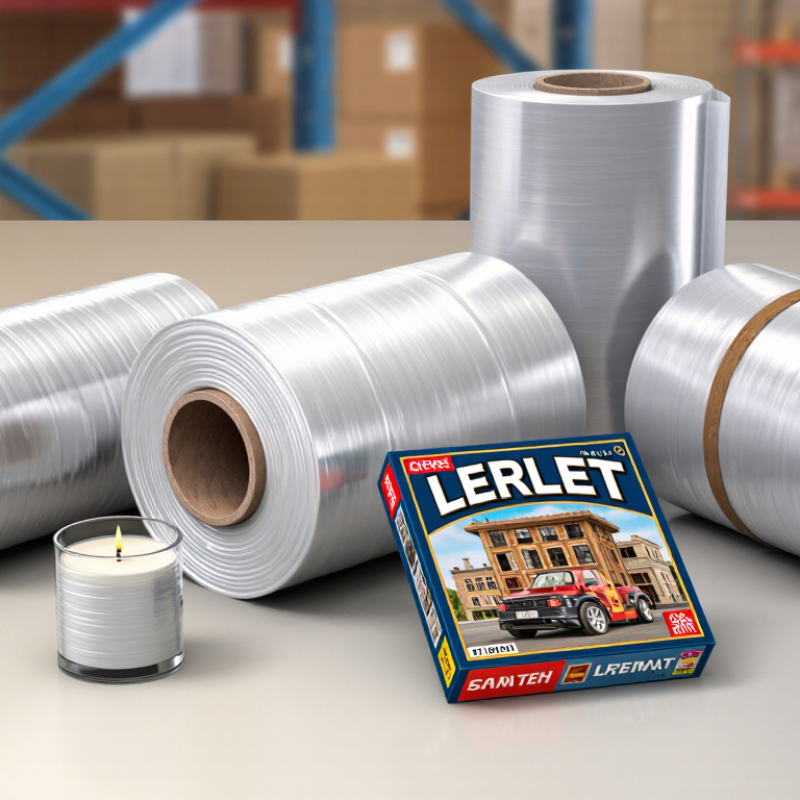
What Shrink Film Is and How It Works
Shrink film is a thin polymer sheet that tightens around a product when exposed to controlled heat. Before heating, it is cut, folded, or sealed around the item, usually with a little slack. Heat makes the film contract in one or more directions, depending on its design. It follows the package’s edges, like a clear skin. The wrap can hold grouped items together and help protect them from dust and handling. Not magic, though.
The process depends on choosing a suitable film, making an even seal, and applying steady heat. Polyolefin is common for retail packs; polyethylene often suits heavier bundles, while PVC has different handling and disposal considerations. These materials are not interchangeable. Film that is too thick may shrink unevenly, and excess heat can cause holes, wrinkles, or weak seams. Check the seal, corners, and clarity after adjusting the settings. A bottle pack may need different heat and timing than a box of small parts. Test the actual product, not just an empty sample. Even then, the first setup may need correction. That is normal, but record what works.
| Film Type | Material and Key Characteristics | Typical Applications | Advantages | Considerations |
|---|---|---|---|---|
| Polyolefin (POF) | A flexible thermoplastic film, commonly made from polyethylene and polypropylene layers. Usually clear, strong, and available in different thicknesses. | Retail products, books, toys, cosmetics, food multipacks, and general-purpose packaging. | Good clarity and puncture resistance; works with many shrink-wrapping systems; suitable grades are available for direct food contact. | Requires appropriate sealing and heat settings. Food-contact suitability depends on the specific film grade and applicable regulations. |
| Polyethylene (PE) | A family of thermoplastics, often low-density polyethylene for shrink applications. Typically thicker and more flexible than POF. | Bundling beverages, cartons, cans, and other heavier or larger items; pallet and transport packaging. | Good toughness and load-holding performance; available in larger gauges for demanding bundle and industrial uses. | Often less clear and less suited to small, detailed retail packs than thinner POF films. Equipment and film thickness need to match the load. |
| Polyvinyl chloride (PVC) | A clear thermoplastic shrink film that can form a close-fitting package when heated. | Some non-food retail items, gift baskets, and packaging applications designed specifically for PVC film. | Can provide good clarity and a snug finish for compatible products and equipment. | Heating can release irritating fumes, so suitable ventilation and handling are important. Recycling and food-contact requirements should be checked for the intended use and location. |
| Cross-linked polyolefin | Polyolefin film that has been cross-linked to improve its strength and performance during sealing and shrinking. | High-speed packaging lines and products that benefit from stronger seals or greater resistance to splitting. | Can provide improved seal strength and toughness compared with some standard polyolefin films. | Costs and processing needs vary by grade; confirm machine compatibility and the required packaging performance before selecting it. |
| What shrink film is | Shrink film is a thermoplastic packaging material made to contract when exposed to heat. It is placed around a product or group of products and sealed or closed as required by the packaging format. | |||
| How shrinking works | During manufacture, the film is stretched and oriented. When reheated during packaging, it contracts toward its earlier dimensions and conforms around the product. The amount and direction of shrink depend on the film, its orientation, thickness, and processing conditions. | |||
| Choosing a film | Consider product size and weight, required clarity and strength, sealing equipment, packaging speed, storage and transport conditions, and any food-contact or recycling requirements. Always check the film supplier’s technical data and test it on the intended equipment. | |||