10 Best Packaging Plastic Bags for Wholesale Buyers

Wholesale buyers need more than a low price. The right Packaging Plastic Bags should fit the product, protect it in transit, and work smoothly on packing lines. A thin bag may split around sharp corners. An oversized one can waste shelf and shipping space. Small details matter.

Packaging specialist Maya Chen offers this practical rule: “Choose the bag for the real packing task, not just the sample on your desk.” This is a guide-specific illustrative quote, not a published statement. It captures a useful habit: test bags with the actual product, closure, and handling routine before placing a large order. A sample that feels sturdy in hand may behave differently when filled, stacked, or pulled from a dispenser.

This guide examines ten common options, from flat bags and gusseted bags to zipper and mailer styles. It compares material, thickness, capacity, clarity, closure, and customization needs. Those specifications can help narrow a shortlist, but they do not replace a trial run. Ask suppliers for clear measurements and material details. Check how the bag performs with your product, not an imaginary one. There is no perfect option for every buyer. Even a well-chosen bag may need adjustment after real use. The aim is a dependable fit, sensible ordering, and fewer costly surprises.
10 Best Packaging Plastic Bags for Wholesale Buyers

How Packaging Plastic Bags Support Wholesale Operations

For wholesale teams, packaging plastic bags are more than containers; they help keep picking, packing, and dispatch moving. Clear bags let staff check small fittings or folded garments without reopening cartons. A consistent size range can also reduce time spent searching for a suitable bag during busy shifts. Small details matter.

The right bag depends on the product and handling steps. Lightweight items may need only a simple bag, while products with sharp edges or heavier contents may require a tougher film. A secure seal helps keep dust and moisture away during storage, though a plastic bag is not a substitute for a sturdy shipping carton. Test sample bags with real products before ordering in bulk. One size rarely suits every order.

Bags can also make stock easier to count and group. A writable label area or clear front helps workers identify contents on a shelf or packing bench. Still, the workflow is not always tidy. Odd-shaped items may snag, and oversized bags can waste space and material. Reviewing damaged packs, packing speed, and bag use over a few shifts gives buyers practical evidence for adjusting specifications. The best choice is the one staff can handle reliably, without slowing the order down.

Key Criteria for Evaluating Packaging Bags

Wholesale buyers should evaluate packaging bags against the product, packing line, and shipping conditions. Start with dimensions: measure the item and allow room for easy filling without excessive empty space. Then check material and thickness. A heavier gauge can resist punctures, but it may add cost and stiffness. More plastic is not automatically better.

Test the seal with the actual contents and packing method. A bag that looks sturdy on a desk may split at the corners when filled or stacked. Check the closure, seam quality, and clarity under normal warehouse lighting. Small details matter. If moisture protection is important, ask for test data and confirm that the bag suits the product’s storage needs. Avoid relying on appearance alone.

Request production samples before placing a large order. Fill them, handle them, and run them through the packing process, if possible. Record bag dimensions, thickness, and acceptable variation so repeat shipments can be compared. Also review carton quantities, storage requirements, and delivery consistency; these affect the true cost per usable bag. The cheapest quote can become expensive if bags jam the line or arrive unevenly sized. There is no perfect specification for every use, and buyers sometimes overestimate how much strength they need. Check the trade-off against real handling conditions.

10 Types of Plastic Bags for Wholesale Buyers

10 Types of Plastic Bags for Wholesale Buyers

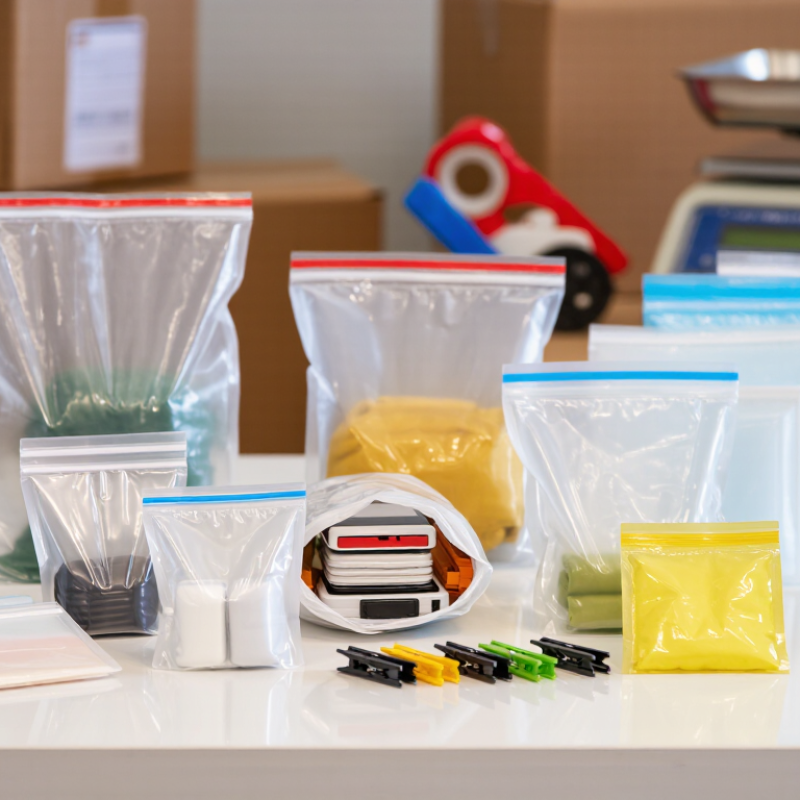
Wholesale buyers can choose from ten common formats: flat bags, gusseted bags, zipper bags, stand-up pouches, poly mailers, drawstring bags, T-shirt bags, produce bags, vacuum bags, and barrier bags. Each solves a different packing problem.

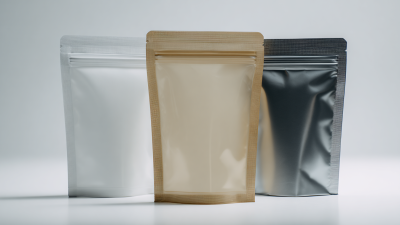
Flat bags suit lightweight parts; gusseted bags expand around bulkier goods. Zipper closures help customers reopen packages. Stand-up pouches display well on shelves, while poly mailers protect soft goods during shipping.

T-shirt and produce bags are lightweight options for retail or fresh items. Drawstring bags open quickly, though their closures may not suit every product. Vacuum bags reduce air around suitable goods, and barrier bags help limit exposure to moisture or oxygen.

Check the film structure, thickness, seal strength, and product compatibility before ordering. A sample filled and handled like a real shipment can reveal weak seams.

The OECD’s Global Plastics Outlook reports that packaging generated about 40% of global plastic waste in 2019. That figure makes right-sizing worth attention: oversized bags use more material and can increase shipping volume.

Ask suppliers for specifications and relevant test data, not just a quoted unit price. A cheaper bag may fail at the seal. It happens. Also, the best choice depends on storage, transport, and how customers open the package; one format rarely fits every use.

How to Match Bag Types to Products and Shipping Needs

10 Best Packaging Plastic Bags for Wholesale Buyers

How to Match Bag Types to Products and Shipping Needs

The right bag starts with the product, not the price per unit. Lightweight apparel usually fits flat poly bags or mailers, while folded textiles may need gusseted bags for extra room. Small components can shift inside oversized packaging. A close fit helps limit movement. Fit matters.

For moisture-sensitive items, choose a bag with a reliable seal, such as a press-to-close style or a heat-sealable option. Retail products may benefit from clear bags that keep labels and contents visible. For warehouse picking, write-on panels or printed size markings can reduce handling mistakes. Check seal strength with the actual product inside; an empty-bag test tells you little.

Shipping adds different demands. Mailers suit soft goods, but they do not replace cushioning for fragile products. Heavier items or products with corners may need thicker film and protective inner packaging. Thickness alone does not guarantee puncture resistance. Test sample bags through your packing routine, including stacking and a short transit trial. One detail is easy to miss: closures that work well on a clean table can be awkward with gloves or in a fast packing line.

10 Best Packaging Plastic Bags for Wholesale Buyers - How to Match Bag Types to Products and Shipping Needs
Bag Type Common Material Typical Thickness Best-Matched Products Shipping and Handling Fit Key Selection Considerations
Poly Mailer Co-extruded polyethylene, often with an opaque outer layer About 2.5–3.5 mil (64–89 microns) Clothing, soft goods, linens, and other non-fragile items Lightweight parcel shipping; self-seal adhesive strips support fast packing Choose a size that allows room for the product without excessive empty space. Not a substitute for a protective box around fragile goods.
Flat Poly Bag LDPE or HDPE About 1–4 mil (25–102 microns), depending on load and use Apparel, printed materials, small components, and general merchandise Useful as an inner bag, product cover, or simple packing layer inside a carton Select the opening, length, and thickness for the product’s shape and weight. Closures may be added with tape, a seal, or a tie.
Gusseted Poly Bag LDPE or HDPE About 1.5–4 mil (38–102 microns) Bulky apparel, boxed items, folded textiles, and irregularly shaped goods Side or bottom gussets expand to accommodate products with greater depth; commonly used for carton packing Check the expanded width and depth, not only the flat dimensions. Match the gauge to the product’s edges and handling conditions.
Reclosable Zipper Bag Usually LDPE or LLDPE About 1.5–4 mil (38–102 microns) Hardware, craft supplies, samples, accessories, and small retail items Good for organizing products in cartons and for contents that customers may need to access more than once Confirm zipper width, bag dimensions, and required puncture resistance. A zipper closure is not automatically airtight or leakproof.
Stand-Up Pouch Often a laminated structure such as PET/PE or PET/foil/PE Structure-dependent; commonly around 3–6 mil (76–152 microns) overall Dry foods, powders, snacks, and some non-food retail products Suitable for shelf display and case shipping when the pouch is properly sealed and protected from crushing Barrier needs depend on the contents. Confirm food-contact suitability, seal requirements, and whether the laminate is accepted by local recycling programs.
Vacuum Bag Commonly a nylon/PE (PA/PE) barrier laminate About 3–5 mil (76–127 microns), depending on construction Products intended for vacuum packaging, including some foods and industrial components Can reduce package volume and limit exposure to air when used with compatible equipment and a sound seal Match the bag to the vacuum sealer, product, and required barrier. Vacuum packaging does not replace required food-safety controls or temperature management.
Shrink Bag or Shrink Film Bag Polyolefin (POF), PVC, or polyethylene, depending on application Often about 1.5–4 mil (38–102 microns) Retail multipacks, books, boxed goods, and products needing a close-fitting outer wrap Provides a snug presentation layer after heat shrinking; cartons may still be needed for parcel protection Choose a film compatible with the product and heat process. Consider temperature sensitivity, package size, and local material-handling requirements.
Produce Bag HDPE or LDPE; may be perforated for airflow Commonly about 0.5–1.5 mil (13–38 microns) Fresh produce and other lightweight goods requiring a simple carry or collection bag Suitable for retail handling and short-distance transport; perforations can support ventilation Choose perforation pattern and bag strength for the product. Thin produce bags are generally not intended for heavy loads or long-distance parcel shipping.
Header Bag Usually PP or PE film with a reinforced header area About 1–3 mil (25–76 microns), with construction varying by product Small accessories, craft items, stationery, and lightweight retail merchandise Designed for peg or hook display; can also keep small products grouped during carton shipment Check the header strength, hang-hole style, and product visibility. The bag itself may need an added closure or seal.
Tamper-Evident Courier Bag Co-extruded polyethylene, often with a permanent adhesive closure About 2.5–3.5 mil (64–89 microns) Documents, apparel, and non-fragile items requiring visible evidence if the closure is opened Designed for parcel delivery with a one-time adhesive seal; some styles include a tear strip or packing-list pouch Confirm seal performance, opacity, and size. Tamper-evident packaging does not guarantee protection from loss, damage, or unauthorized access.

Note: Thickness ranges are indicative purchasing guidelines, not universal specifications. Actual dimensions, material structures, sealing performance, and suitability vary by supplier and application. Test samples with the intended product and packing process before placing a large wholesale order.

Wholesale Sourcing, Customization, and Compliance Considerations

Wholesale bag sourcing starts with the product, not the lowest quote. Specify dimensions, thickness, resin type, handle style, and expected load. A 30-centimeter bag holding small cosmetics needs different sealing strength from a wide grocery carrier. Request samples and test them with the actual product. Check seal strength, odor, print alignment, and performance after storage. Small details matter.

Volume pricing depends on order size, print colors, tooling, and delivery terms. Ask suppliers to separate unit cost, setup fees, minimum order quantity, and freight. The OECD’s Global Plastics Outlook (2022) estimated that packaging generated 40% of plastic waste in 2019. That figure makes material choices worth documenting, not just marketing. Plastics Europe’s Plastics—The Fast Facts 2024 reported global plastics production of 413.8 million tonnes in 2023. These figures describe a large, changing supply chain; they do not prove that one bag is environmentally preferable.

Customization should preserve traceability. Keep approved artwork, material specifications, batch records, and written evidence for recycled-content or recyclability claims. Requirements vary by market and product use, especially for food-contact packaging. Ask suppliers for current test reports and declarations, then verify them against the rules where the bags will be sold. A certificate alone may not cover every size, color, or production site. It is easy to miss that.