Best Paper Bag Options for Eco-Friendly Packaging Needs?
In today’s environmentally conscious world, the choice of packaging matters. Paper Bags have emerged as a popular solution for businesses aiming to reduce their carbon footprint. Unlike plastic, these bags are biodegradable and often recyclable. They offer a practical alternative while appealing to eco-friendly consumers.
However, not all paper bags are created equal. It is essential to consider various factors when selecting the best options for your needs. The weight of the paper, design, and even the source of the materials are crucial. Businesses may be tempted to opt for cheaper options. This shortcut could lead to a less durable product, which may not serve its purpose effectively.
Evaluating the right paper bag options requires some effort. The balance between cost, quality, and sustainability is key. Companies must weigh these aspects carefully to ensure they align with their environmental goals. Ultimately, making the right choice reflects a commitment to a greener future. Embracing the paper bag not only benefits businesses but also nurtures the planet.
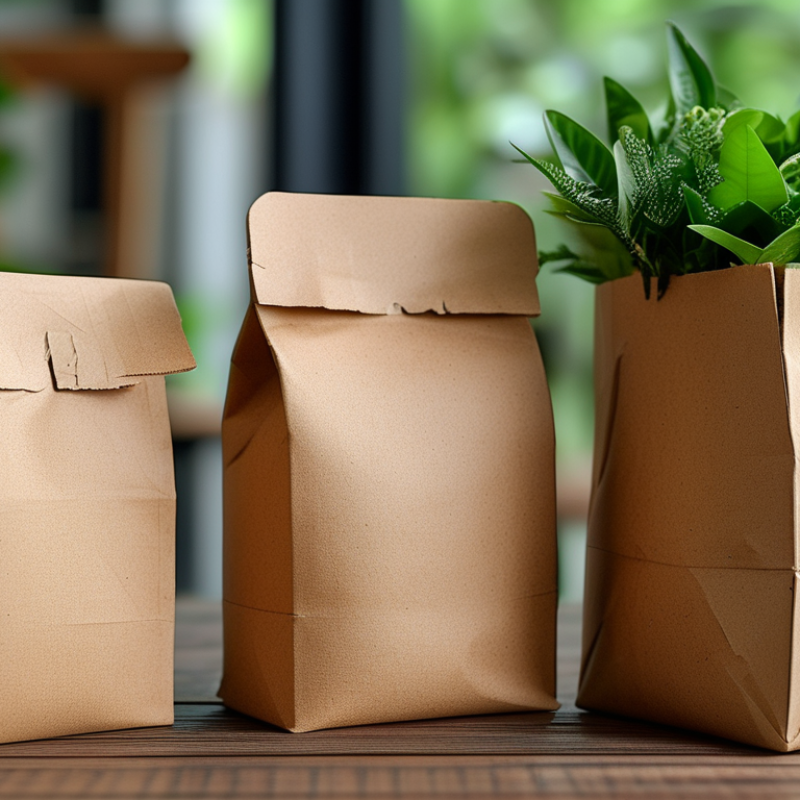
Best Paper Bag Options for Eco-Friendly Packaging Needs
As businesses increasingly seek eco-friendly packaging solutions, paper bags have emerged as a premier option. Industry reports indicate that the global paper bag market is projected to reach $18 billion by 2027, driven by rising consumer awareness about sustainability. Paper bags serve not only as a practical choice but also as a symbol of an environmentally conscious brand.
Using paper bags can significantly reduce plastic waste. They are biodegradable and recyclable, unlike plastic counterparts. A notable report from the Environmental Protection Agency highlights that recycling one ton of paper can save 24,000 gallons of water. This statistic emphasizes the importance of choosing paper over plastic in the packaging industry. Despite these benefits, some companies struggle to transition fully to paper, citing higher costs as a barrier.
Material quality is essential for effective packaging. Consumers prefer durable bags that can handle their purchases. However, ensuring sustainability while maintaining strength remains a challenge for manufacturers. A 2022 study showed that 30% of paper bags fail under heavy loads. Addressing this issue is crucial for businesses aiming to enhance their eco-friendly reputation while meeting customer expectations.
Overview of Paper Bag Types: Kraft, Recycled, and Specialty Papers
When considering eco-friendly packaging, paper bags are a popular choice. They come in various types, each serving distinct purposes. Kraft paper bags are robust and biodegradable. Their earthy tone appeals to environmentally conscious consumers. You often find them in retail settings or for takeout food.
However, their production can be resource-intensive.
Recycled paper bags offer another sustainable option. Made from post-consumer waste, these bags reduce landfill impact. They usually have a unique texture and appearance, often featuring flecks of recycled material. Yet, the quality can sometimes vary. A recycled bag might not hold as much weight as a new Kraft bag.
Specialty paper bags are designed for specific needs. These bags often feature unique prints or finishes. They are great for gift-giving or events. Although attractive, these bags can be more costly. The commitment to sustainability might be tested by their added expense. Each type of paper bag serves its purpose, but weighing the benefits against the drawbacks is essential.
Sustainability Metrics: Comparing Paper Bags to Plastic Alternatives
When comparing paper bags to plastic alternatives, it's crucial to evaluate their sustainability metrics. Paper bags are made from renewable resources. However, their production requires significant water and energy. While they are biodegradable, their environmental impact depends on how they are disposed of after use.
Plastic bags, on the other hand, are lighter and take up less space. They're often made from petroleum-based materials, which raises concerns about fossil fuel consumption. Plastic can take hundreds of years to decompose, contributing to long-term environmental issues. Yet, they can be reused and recycled, but many end up in landfills or oceans.
Both options have their pros and cons. Choosing between them is not straightforward. The efficiency of paper bag production can vary widely depending on the methods used. It's essential for consumers to consider the full lifecycle of each option. Personal habits, like recycling and reusing, play a big role in overall sustainability. Reflecting on this can help guide better choices for eco-friendly packaging.
Industry Trends: Growth of Eco-Friendly Packaging Solutions in Retail
The retail industry is shifting towards sustainable practices, notably in packaging. Eco-friendly options are becoming a priority for both consumers and businesses. Shoppers increasingly seek out products that reflect their values. They want packaging that is not only functional but also responsible. This trend influences purchasing decisions and fosters brand loyalty.
In recent years, paper bags have gained popularity as a practical, eco-friendly alternative. These bags are often made from recycled materials, reducing waste. Moreover, many brands are investing in better designs. This not only enhances the shopping experience but also showcases a commitment to sustainability. However, not all paper bags are created equal. Some may lack durability and fail during use. It's essential for brands to balance aesthetics with functionality.
Despite the growing demand, challenges remain. Sourcing sustainable materials can be complex. Additionally, not every consumer understands the impact of their choices. Educating the public about the benefits of eco-friendly packaging is vital. This is an ongoing journey for the industry, one that requires constant reflection and improvement. As businesses navigate this path, they must listen to consumer feedback and adapt.
Eco-Friendly Packaging Solutions Growth in Retail
Case Studies: Successful Brands Using Paper Bags for Sustainability
In recent years, many brands have embraced paper bags to enhance their sustainability strategies. This shift often leads to a more positive public image and reflects a commitment to eco-friendliness. For instance, companies showcase innovative designs, combining aesthetics with sustainability. The transition can sometimes be challenging; durability and cost may pose initial concerns. However, the environmental benefits frequently outweigh these challenges.
Tips: When considering paper bags, assess the thickness and the type of paper used. A stronger paper enhances durability. Remember that using recycled materials is a great way to reduce your ecological footprint. Test different types to find what works best for your needs.
Successful case studies reveal that businesses focusing on local sourcing often see better results. These brands demonstrate that sustainability can drive consumer loyalty. Yet, not all brands succeed in this transition. Some face backlash for insufficient eco-friendly practices. Learning from these examples is essential, as missteps can tarnish a brand's reputation. Engage with your audience to ensure their preferences are met.
Best Paper Bag Options for Eco-Friendly Packaging Needs
| Bag Type | Material Type | Sustainability Rating | Use Case | Cost Per Unit |
| Kraft Paper Bags | 100% Recycled Paper | A+ | Grocery and Retail | $0.10 |
| Brown Paper Bags | Natural Paper | A | Food Service | $0.05 |
| Shopping Paper Bags | Recycled and Biodegradable | A+ | Branding and Promotions | $0.20 |
| Flat Paper Bags | Brown Kraft Paper | B+ | Craft and Bakery | $0.07 |
| Custom Printed Paper Bags | Recyclable Paper | A | Special Events and Promotions | $0.25 |
Conclusion
The article "Best Paper Bag Options for Eco-Friendly Packaging Needs" provides a comprehensive overview of various paper bag types, including Kraft, recycled, and specialty papers, highlighting their roles in sustainable packaging solutions. It discusses the sustainability metrics comparing these paper bags to plastic alternatives, demonstrating their environmental benefits and lower carbon footprints.
Additionally, the article explores industry trends showcasing the growing demand for eco-friendly packaging in retail, supported by case studies of successful brands that have adopted paper bags to enhance their sustainability efforts. Consumer preferences and survey data are also examined, revealing a significant shift towards eco-friendly packaging choices among buyers, further emphasizing the importance of paper bags in the market. Overall, the content underscores the increasing significance of paper bags in promoting sustainability and meeting eco-conscious consumer demands.
