Best Double Layer Anti-counterfeiting Label Features and Benefits?
In today’s market, counterfeiting poses a significant threat to brands and consumers alike. This creates a pressing need for effective solutions. The Double layer Anti-counterfeiting Label emerges as a valuable tool in this battle. Its innovative design offers enhanced security and reliability.
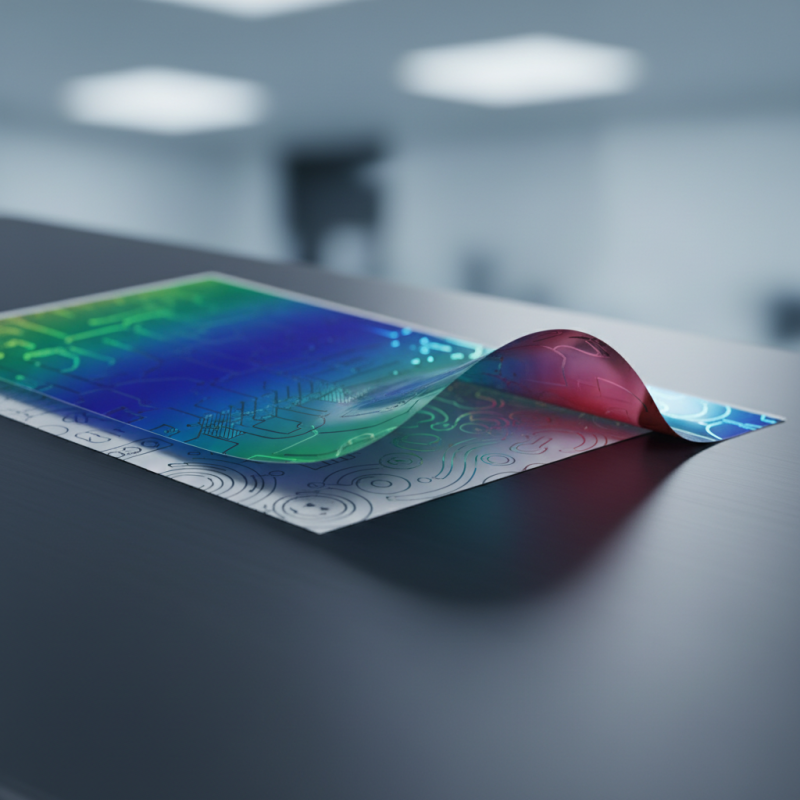
Manufacturers can place these labels on products, which makes them difficult to replicate. Each layer has unique features that provide an extra level of protection. The top layer may change color under certain conditions, while the bottom layer might include hidden texts or symbols. Consumers can easily check these features for authenticity.
However, not all labels are created equal. Some may lack critical elements that truly make them secure. Companies must ensure their choices are well-informed and useful. Quality and reliability should be prioritized. With the right Double layer Anti-counterfeiting Label, businesses can protect their products and maintain consumer trust.
Key Characteristics of Double Layer Anti-counterfeiting Labels
Double layer anti-counterfeiting labels have become essential in combating fraud. Their unique structure adds an extra level of security. The top layer often features intricate designs or holographic elements. This makes duplication challenging. Below this, a secondary layer can include QR codes or micro-text. These features enhance the label’s effectiveness.
Another key characteristic is their durability. These labels are designed to withstand various environmental factors. They resist tearing, fading, and moisture. This means they can be used in diverse applications. However, ensuring that they adhere well to different surfaces can be tricky. It's important to test them thoroughly before full-scale implementation.
Moreover, customization plays a significant role. Brands can tailor these labels to reflect their identity. This adds a sense of authenticity. Yet, the balance between creativity and security can be difficult. Striking the right chord is essential. Labels that are too complex can confuse consumers. Reflecting on this aspect can improve effectiveness.
Benefits of Implementing Double Layer Anti-counterfeiting Solutions
Double layer anti-counterfeiting solutions provide significant advantages across various industries. Reports reveal that counterfeiting costs the global economy approximately $2.3 trillion annually. This staggering figure highlights the urgency in applying robust security measures. Double layer labels enhance product authenticity, helping businesses restore consumer trust. By incorporating unique identifiers, these labels can tackle counterfeit risks effectively.
Additionally, implementing double layer systems can significantly reduce fraud. A study indicated that companies using advanced anti-counterfeiting solutions saw a 30% decline in counterfeit incidents. Layers of protection prevent easy duplication and improve traceability. This added complexity can deter counterfeiters who often target simpler labels.
Yet, some businesses may find it challenging to adopt these advanced technologies due to cost concerns.
Moreover, consumer awareness is rising. Reports show that 70% of consumers actively avoid counterfeit products. They seek assurance from brands. Double layer labels not only protect products but also promote transparency. Brands that invest in these technologies signal their commitment to quality. Despite challenges in implementation and cost, the benefits stand out.
More businesses could prioritize anti-counterfeiting measures to safeguard their reputations and their customers' interests.
Comparison of Double Layer Labels with Traditional Anti-counterfeiting Methods
Double layer anti-counterfeiting labels offer distinct advantages over traditional methods. These labels have an outer layer that displays specific visuals. Beneath this layer lies another unique design or code, enhancing security. This two-layer approach makes replication challenging.
In contrast, traditional methods like holograms can be relatively easy to copy. Counterfeiters have improved their technology, diminishing the effectiveness of single-layer protections. Double layer labels introduce complexity that deters counterfeiting. They can include features such as color-shifting inks or hidden messages. This creates a multi-dimensional approach that is more reliable.
Tip: It's crucial to regularly assess the effectiveness of your labeling methods. Counterfeiters evolve their tactics, so staying informed is key. Expanding knowledge on new technologies can strengthen your defense against counterfeiting.
Moreover, using double layer labels can enhance customer trust. Shoppers feel more confident when products are protected by advanced security features. However, businesses should be cautious about the cost. Higher security can mean higher prices. Finding a balance is essential.
Tip: Review your labeling strategy periodically. Engage with experts or attend workshops to understand new trends. Better decisions lead to better protection against counterfeiting.
Best Double Layer Anti-counterfeiting Label Features and Benefits? - Comparison of Double Layer Labels with Traditional Anti-counterfeiting Methods
| Feature/Benefit | Double Layer Anti-counterfeiting Labels | Traditional Anti-counterfeiting Methods |
| Visibility | High visibility with holographic effects | Limited visibility; often plain design |
| Customization | Highly customizable designs | Less flexible in design choices |
| Durability | Resistant to tearing and fading | Prone to wear and tear over time |
| Authentication | Easy to verify through technology | Verification can require special equipment |
| Cost | Higher initial cost | Lower initial cost, but higher long-term risks |
| Consumer Perception | Positive, conveys premium quality | Mixed, can appear low-quality |
Applications of Double Layer Anti-counterfeiting Labels in Various Industries
Double layer anti-counterfeiting labels serve various critical functions across industries. In the pharmaceutical sector, these labels enhance product integrity. Patients rely on medication authenticity for safety. The intricate designs, often featuring holograms or UV markings, deter counterfeiters. Each feature adds layers of complexity that some counterfeiters may overlook. However, quality control remains a challenge. Some labels may not adhere properly, diminishing effectiveness.
In the food industry, these labels protect against fraud. They ensure consumers receive genuine products. Embedded codes can be scanned easily for verification. Freshness is also a key detail. Anti-counterfeiting measures can prevent expired products from reaching shelves. Yet, as technology evolves, so do counterfeit methods. Companies must regularly adapt their security features. This constant need for innovation can strain resources.
The electronics industry benefits too. Labels provide assurance in a market filled with imitation goods. Consumers often struggle with distinguishing real from fake items. Anti-counterfeiting labels help in making informed choices. However, complexity can confuse some users. Simplifying the verification process might yield better results. This industry highlights the need for ongoing education about these labels.
Future Trends in Anti-counterfeiting Label Technology and Innovations
The future of anti-counterfeiting label technology is evolving rapidly. Double layer labels offer enhanced security features. The top layer can provide clear graphics and information. Underneath, a secondary layer contains a hidden code. This code is often accessible only through specialized scanners. The visual appeal of the top layer attracts consumers, while the hidden code serves to verify authenticity.
Innovations are emerging frequently. Smart labels integrate QR codes or NFC technology. Scanning these can lead to product histories or authenticity checks. There's a growing trend toward sustainable materials in label production. Eco-friendly options are becoming more necessary in safeguarding intellectual property. However, challenges remain in balancing cost and effectiveness. High-tech solutions may not always be feasible for smaller businesses.
Industry experts predict increased collaboration among companies. Sharing data on counterfeiting threats can strengthen defenses. Yet, there are concerns about data privacy and security risks. The push for advanced solutions will likely produce both benefits and complications. Will these new technologies stay ahead of counterfeiters? It’s a question that demands ongoing reflection.
