What are the Benefits of Using PP Woven Bags?
In today's packaging landscape, the PP Woven Bag has emerged as a staple choice for various industries. Renowned expert, Dr. Mark Thompson, states, "The durability and versatility of PP Woven Bags make them indispensable." These bags, made from polypropylene, offer remarkable strength. They can support heavy loads without tearing or breaking. This feature is crucial for transporting goods safely.
Another noteworthy aspect of PP Woven Bags is their recyclability. Unlike many traditional bags, they can be reused multiple times, reducing waste. This aligns well with the increasing demand for sustainable packaging solutions. Businesses are recognizing the environmental benefits, but there’s still room for improvement. Education on proper recycling practices is needed.
However, challenges persist within the industry. Not all consumers fully understand the advantages of PP Woven Bags. Marketing efforts should bridge this gap. Overall, the benefits are significant, yet continuous efforts are needed to enhance awareness and sustainability in the use of these bags.
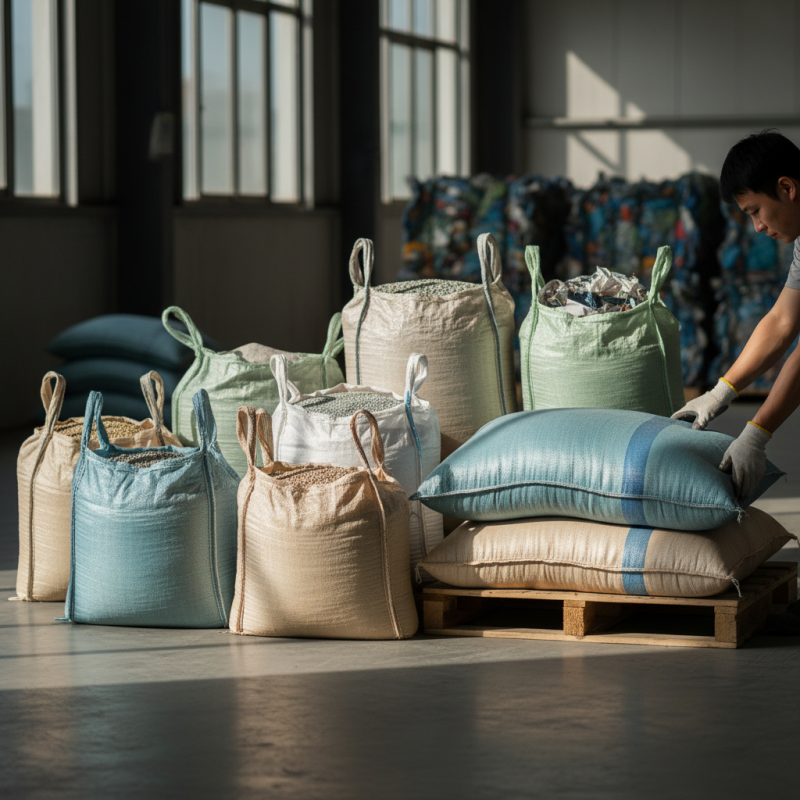
Benefits of PP Woven Bags for Packaging Solutions
PP woven bags offer numerous benefits for packaging solutions. These bags are crafted from polypropylene, a strong and durable material. Their resistance to tearing makes them a preferred choice for various industries. Companies can rely on these bags to store grains, fertilizers, and even construction materials.
Many appreciate the lightweight nature of PP woven bags. This feature reduces shipping costs and simplifies handling. However, it's important to choose the right size and type for your needs. Poorly sized bags may lead to spills, creating extra work.
Tips: Always consider your product's weight and size. A bag that fits snugly reduces wastage. Test the strength before bulk purchasing. Not all woven bags are created equal.
PP woven bags are also reusable and recyclable. This trait supports sustainability efforts. Yet, some challenges remain. If not properly maintained, they can degrade over time. Ensure proper storage to extend their lifespan.
Durability and Strength: Key Advantages of PP Woven Bags
PP woven bags are gaining popularity in various industries due to their impressive durability and strength. Made from polypropylene, they are designed to withstand heavy loads. This makes them ideal for transportation and storage purposes. Unlike paper or plastic, these bags can endure harsh conditions. They won’t tear easily, which is a common problem with other materials.
The strength of PP woven bags also comes from their unique structure. They have interwoven fibers that create a sturdy, resilient surface. This ensures that they can hold their shape even when filled to capacity. Additionally, these bags resist moisture and UV rays, providing further protection for the contents inside. However, while they are strong, they are not indestructible. Overuse or exposure to extreme conditions can eventually lead to wear and tear.
Consumers should consider this aspect. Regular inspections can help catch damage early. Although they require some upkeep, the durability of PP woven bags can outweigh these minor reflections. For businesses prioritizing long-term use, investing in these bags can lead to significant savings and efficiency. Properly maintained, they can be reused many times, making them a reliable choice for a sustainable future.
Environmental Impact: Are PP Woven Bags Eco-Friendly?
PP woven bags have gained popularity, but their environmental impact deserves attention. These bags are made from polypropylene, a type of plastic. According to a study from the European Bioplastics Association, this material can have both positive and negative effects on the environment.
On one hand, PP woven bags are reusable and recyclable. A report from the American Chemistry Council states that recycling polypropylene can reduce waste significantly. They can last for years, reducing the need for single-use bags. However, the production of these bags requires energy and generates greenhouse gases. This aspect can’t be ignored.
In addition, there's the issue of proper disposal. Many people do not recycle properly, leading to plastic pollution. A study by the Environmental Protection Agency indicated that only about 9% of plastic waste is actually recycled. This highlights the need for better waste management and consumer education. The balance between utility and environmental responsibility is delicate.
Benefits of Using PP Woven Bags
The chart above displays the benefits of using PP woven bags, with durability, recyclability, cost-effectiveness, weight, and water resistance measured on a scale from 0 to 100%. PP woven bags are recognized for their strong performance in various aspects, contributing to their increasing popularity as eco-friendly packaging solutions.
Versatility in Applications: Industries That Use PP Woven Bags
PP woven bags are widely used in various industries due to their durability and versatility. Agriculture heavily relies on these bags for packaging seeds, fertilizers, and grains. Farmers appreciate these bags for their strength, ensuring safe transport and storage. They offer a lightweight option that doesn't compromise on quality. Moreover, their breathability helps maintain product integrity.
In the construction sector, PP woven bags serve multiple purposes. They are used for carrying sand, cement, and other materials. These bags can withstand harsh weather conditions, making them ideal for outdoor use. However, some users find that overexposure to sunlight affects the bag’s lifespan. Cost efficiency is another benefit; they are cheaper than many alternatives.
Retail and food industries also find value in PP woven bags. Grocery stores utilize them for bulk items. Their reusable nature appeals to eco-conscious consumers. Yet, the challenge remains in educating customers about proper care. Many bags end up in landfills due to improper disposal. Adjustments are needed in how we perceive and manage these bags.
Cost-Effectiveness: Economic Benefits of Choosing PP Woven Bags
Polypropylene (PP) woven bags offer significant cost-effectiveness for various industries. A recent report indicates that using PP woven bags can reduce packaging costs by up to 30%. This reduction stems from their durability and reusability. Each bag can hold substantial weight, typically ranging from 25 to 50 kg. Businesses benefit not only from the lower material costs but also from lower shipping expenses due to their lightweight nature.
Moreover, PP woven bags are readily recyclable, which leads to savings in waste disposal costs. According to industry analyses, using recycled materials can save companies up to 20% compared to new raw materials. This eco-friendly aspect is a drawing point for consumers who prefer sustainable practices. However, some companies still opt for cheaper alternatives without realizing the long-term savings PP woven bags can provide.
Despite the economic advantages, not all manufacturers fully utilize the benefits of PP woven bags. Some reports suggest that about 40% of businesses overlook their potential, often relying on single-use plastics. This decision could lead to higher costs in the long run. The need to rethink packaging strategies is crucial. Sustainability and savings can go hand in hand. It is worth considering how much better off companies could be by switching to PP woven bags.
What are the Benefits of Using PP Woven Bags? - Cost-Effectiveness: Economic Benefits of Choosing PP Woven Bags
| Benefit | Description | Economic Impact |
| Durability | PP woven bags are resistant to tearing and wear, making them suitable for heavy-duty applications. | Reduces replacement costs, leading to savings over time. |
| Lightweight | They are lighter than many alternatives, which can reduce shipping costs. | Lower shipping expenses can significantly increase profit margins. |
| Reusability | These bags can be reused multiple times, which is environmentally friendly. | Cost savings from reduced need for single-use bags. |
| Customizability | Easily customizable for branding and marketing purposes. | Can enhance brand visibility and customer loyalty. |
| Water Resistance | PP woven bags are moisture-resistant, protecting contents from water damage. | Potentially reduces losses from damaged goods. |
